If you use a night vision scope, you know how frustrating glare can be. That sudden shine can ruin your view and make it hard to see what’s really there.
But what if you could cut through that glare and get a clear, sharp image every time? You’ll discover simple, effective ways to avoid glare in your night vision scope. These tips will help you improve your night vision experience and stay focused when it matters most.
Keep reading—you’re about to see the night like never before.

Credit: www.facebook.com
Causes Of Glare In Night Vision Scopes
Light bounces inside the scope. This creates unwanted glare. Poor design can increase these reflections. Quality lenses help reduce the problem. Proper alignment also minimizes glare.
Bright lights nearby affect vision. Streetlights or headlights can cause glare. Shielding the scope helps. Adjusting position reduces light interference. Always try to find a dark environment.
High-quality lenses reduce glare. Special coatings help lessen reflections. Cheap lenses cause more glare problems. Investing in good lenses improves night vision.

Credit: hawkglow.com
Choosing The Right Scope
Choosing the right night vision scope helps reduce glare and improve clarity. Opt for scopes with anti-reflective coatingson lenses. These coatings cut down light reflection and glare.
Select a magnification level that fits your needs. Too much magnification can increase glare and blur images. Keep it moderate to maintain clear vision.
Consider scopes with infrared illumination features. Infrared light helps you see in total darkness. It also reduces glare from other light sources around you.
Proper Scope Setup
Adjusting eye reliefmeans setting the correct distance between your eye and the scope. This helps reduce glare by letting you see a clear, full image. Too close or too far causes unwanted light and blurriness. Find the sweet spot by moving your eye back and forth slowly.
Aligning the scope correctlyis key to avoiding glare. Make sure the scope sits straight on the rifle. If it tilts or shifts, light can hit the lenses at odd angles. This creates glare and lowers the image quality. Use a level to keep everything straight and steady.
- Clean lenses regularlyto remove dust and smudges that reflect light.
- Use a soft cloth and lens cleaner made for optics.
- Store the scope in a cover when not in use to protect lenses.
- Check for scratches or damage that can worsen glare.
Environmental Adjustments
Minimizing ambient light helps reduce glare in night vision scopes. Turn off nearby lights or use dim red lights. Avoid bright sources like car headlights or street lamps near your view. Dark surroundings improve image clarity and reduce reflections.
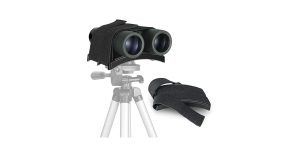
Lens covers and hoods block stray light from hitting the lens. These accessories keep the scope focused on the target and prevent glare. Using a lens hood also protects the lens from dust and scratches.
Positioning plays a big role in avoiding direct light. Stay out of bright light beams or reflections that can cause glare. Move to shaded areas or adjust your angle to keep light behind you. This simple step can improve your night vision experience greatly.
Advanced Techniques
Adjusting the angle of your night vision scope reduces glare effectively. Using anti-reflective coatings and lens hoods also helps block unwanted light. Proper maintenance keeps lenses clear and minimizes bright spots.
Utilizing Polarizing Filters
Polarizing filtershelp reduce glare by blocking reflected light. They improve image clarityin night vision scopes. These filters can be attached to the lens easily. They work well on shiny surfaces like water or glass. Using polarizing filters can make targets more visible in dark areas.
Applying Anti-glare Films
Anti-glare films stick to the scope lens. They cut down on light reflectionand improve viewing comfort. These films are thin and do not affect image quality. They protect the lens from scratches and dust. Applying them is a simple way to reduce unwanted glare.
Custom Modifications For Glare Reduction
- Matte paint on scope body to reduce reflection
- Adding sunshades or lens hoods to block stray light
- Adjusting angle of the scope to avoid direct light
- Using special coatings on lenses for better light control
These custom changes help keep the view clear in bright or reflective conditions.

Credit: gtguardhunt.com
Frequently Asked Questions
What Causes Glare In Night Vision Scopes?
Glare occurs due to bright light sources reflecting inside the lens. It reduces image clarity and affects visibility. Avoiding direct light exposure minimizes glare and enhances scope performance during night use.
How Can I Reduce Glare On My Night Vision Scope?
Use lens covers and anti-reflective coatings to reduce glare. Adjust the angle of the scope to avoid direct light. Proper positioning and scope maintenance also help minimize reflections and improve image quality.
Does Ambient Light Affect Night Vision Scope Glare?
Yes, ambient light can increase glare and reduce visibility. Avoid using scopes near bright lights or reflective surfaces at night. Controlling ambient light sources ensures clearer and sharper night vision images.
Are Lens Filters Effective Against Night Vision Glare?
Lens filters can reduce glare by blocking specific light wavelengths. They improve contrast and image quality in various lighting conditions. Using the right filter enhances your night vision scope’s performance significantly.
Conclusion
Avoiding glare in night vision scopes improves clarity and accuracy. Clean lenses regularly to keep your view clear. Adjust brightness settings to match the environment. Use anti-reflective coatings or lens covers when possible. Position yourself to minimize light reflections. Small changes make a big difference in your experience.
Practice these steps to enjoy better night vision. Clear vision leads to safer and more effective use. Keep these tips in mind for every night session.