If you want to improve your varmint hunting skills, mastering how to use hunting scopes is a game-changer. A good scope doesn’t just help you see better—it helps you aim better, shoot more accurately, and bring home your target with confidence.
Whether you’re new to varmint hunting or looking to sharpen your technique, this guide will show you exactly how to get the most out of your hunting scope. Keep reading, and you’ll discover tips and tricks that can turn your next hunt into a successful and satisfying experience.

Credit: www.youtube.com
Choosing The Right Scope
Magnification levelshelp see small animals from far away. Lower magnification (4x-9x) is good for close shots. Higher magnification (10x-20x) helps with distant targets. Too much zoom can make the image shaky.
Reticle typesguide aiming. Simple crosshairs work well for varmint hunting. Some scopes have extra marks for wind or distance. Choose one that is easy to see and use.
Lens qualitymatters for clear views. Look for lenses with good coatings to reduce glare. Bright, sharp images help spot small movements in fields or woods.
Durability and weather resistancekeep scopes safe outside. Waterproof and fog-proof scopes work best in rain or cold. A sturdy build lasts longer and handles rough use.

Credit: www.petersenshunting.com
Mounting Your Scope
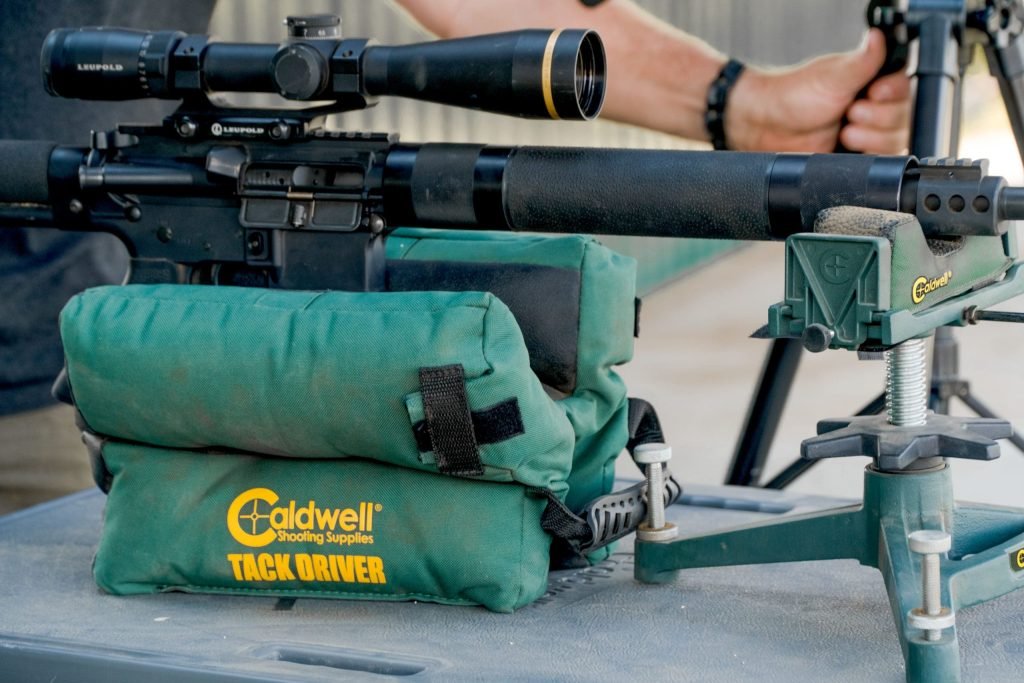
Select mounts and rings that match your rifle and scope size. Use durable materialslike steel or aluminum for strength. Choose mounts with good fit and finishto avoid wobble. Rings must hold the scope firmly without over-tightening.
Align the scope so the crosshairs sit perfectly vertical and horizontal. This ensures accurate aiming. Use a level or alignment tool to check. Proper alignment reduces eye strainand improves shot precision.
Secure mounts and rings tightly, but avoid stripping screws. Tighten screws evenly to keep the scope stable. Stability prevents the scope from shifting after recoil. Recheck tightness before each hunt.
Zeroing Your Scope
Setting the zero distance means choosing the range where your bullet hits the exact spot you aim at. Usually, hunters pick a distance between 100 and 200 yards for varmint hunting. This helps to keep shots accurate at different ranges without too much adjustment.
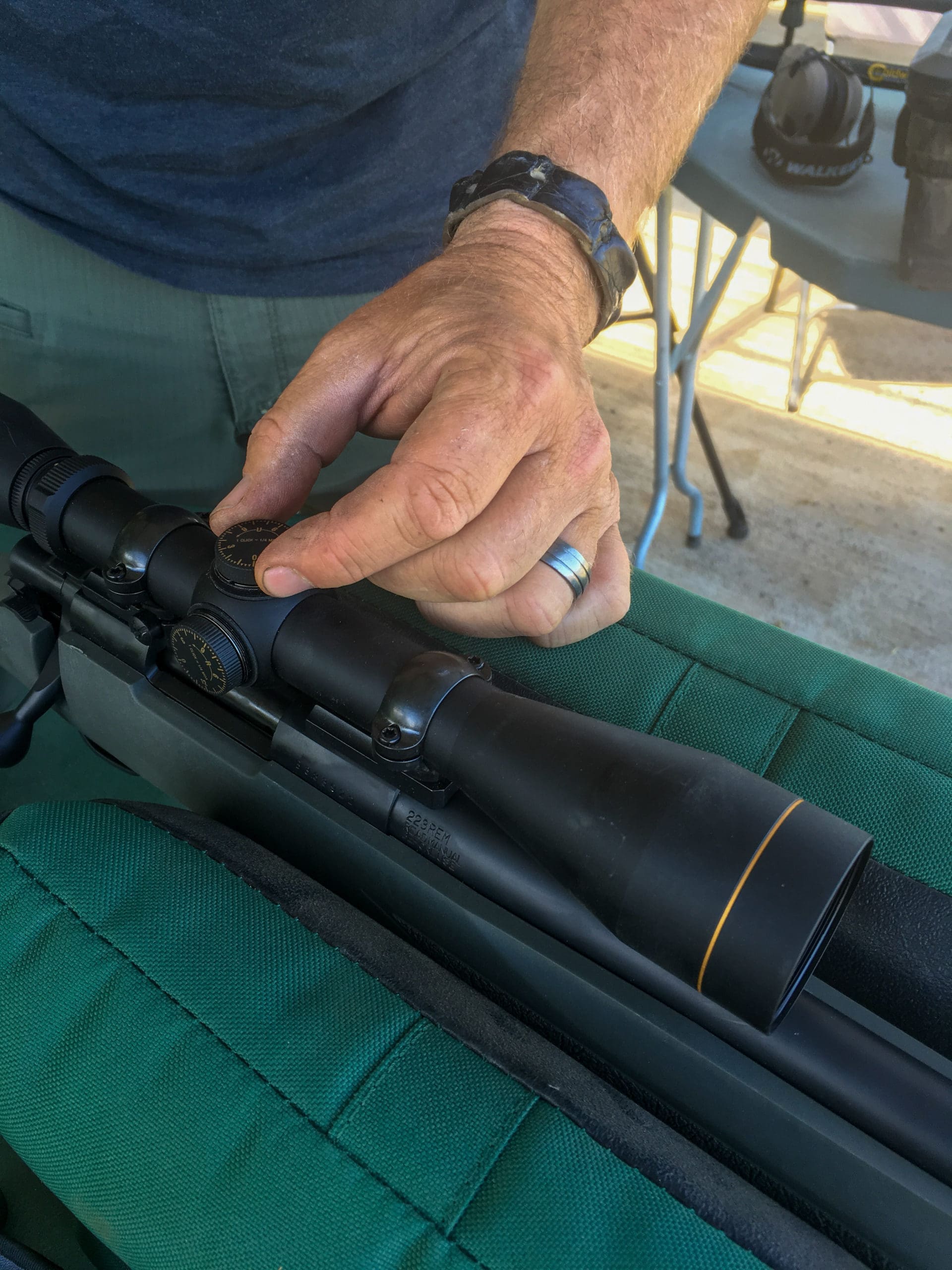
Adjusting windage and elevation moves the reticle to match where the bullet hits. Windage changes left or right, while elevation moves the point up or down. Use the knobs on your scope to make small changes after firing a test shot.
Confirming accuracy at different ranges ensures your scope stays precise. Shoot at closer and farther distances to check how well your zero holds. Make small tweaks if needed to keep your shots on target across all distances.
Credit: westernhunter.net
Using The Scope In The Field
Using a hunting scope helps spot varmint targets from far away. A clear, steady view is key. Adjust the scope’s zoom to see animals better. Bright sunlight or shadows affect how well you see through the scope. Change the brightness or use lens covers to reduce glare.
Estimating range is simple with a scope that has marks or reticles. These marks help guess the distance by comparing known target sizes. Knowing the range improves your shot accuracy. Practice estimating distances with your scope before hunting.
Light changes quickly outdoors. Dim light needs a brighter scope setting. Dawn and dusk are best times for hunting, but you must adjust your scope. Use the scope’s light adjustment knob or switch lenses if available.
Maintenance And Care
Use a soft brush or air blower to remove dust on lenses. Avoid wiping lenses when dirty; it can cause scratches. Use lens cleaning solution with a microfiber cloth for smudges.
Store scopes in a padded case to protect them from knocks. Keep scopes away from extreme heat or cold. Use lens caps when not in use to prevent damage.
| Inspection Point | What to Check | Action |
|---|---|---|
| Mounting | Ensure scope is firmly attached | Tighten screws if loose |
| Lens Clarity | Look for scratches or dirt | Clean carefully or replace if damaged |
| Adjustments | Check windage and elevation knobs | Turn smoothly and recalibrate as needed |
Frequently Asked Questions
What Are The Best Scopes For Varmint Hunting?
When choosing a scope for varmint hunting, look for high magnification and clear optics. Popular choices include the Vortex Crossfire II and Nikon ProStaff. These scopes offer precise targeting and durability. Ensure your scope has a good reticle and adjustable turrets for windage and elevation.
How Do I Adjust A Hunting Scope?
To adjust a hunting scope, first zero it at the desired range. Use the turrets to align your crosshairs with the target. Adjust for windage and elevation based on environmental conditions. Regular practice helps maintain accuracy. Always consult your scope’s manual for specific adjustment instructions.
Can I Use Night Vision Scopes For Varmints?
Yes, night vision scopes are effective for varmint hunting in low light. These scopes amplify available light, allowing better visibility. They are ideal for nocturnal pests like coyotes and rabbits. Make sure to check local regulations regarding night hunting before using night vision scopes.
How Does Magnification Affect Varmint Hunting?
Higher magnification improves targeting precision, especially for small targets like varmints. It allows you to see details from a distance. However, too much magnification can limit field of view and stability. Balance is key; choose a scope with adjustable magnification for versatility.
Conclusion
Using the right hunting scope makes varmint hunting easier and more precise. Adjust your scope carefully for clear views and accurate shots. Practice often to get comfortable with your equipment. Remember to check your settings before each hunt. Patience and focus help you spot varmints at a distance.
Keep your gear clean and well-maintained for best results. Enjoy the challenge and the outdoors. Hunting with a good scope can improve your success and safety. Stay safe and respect wildlife while hunting.