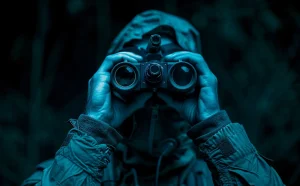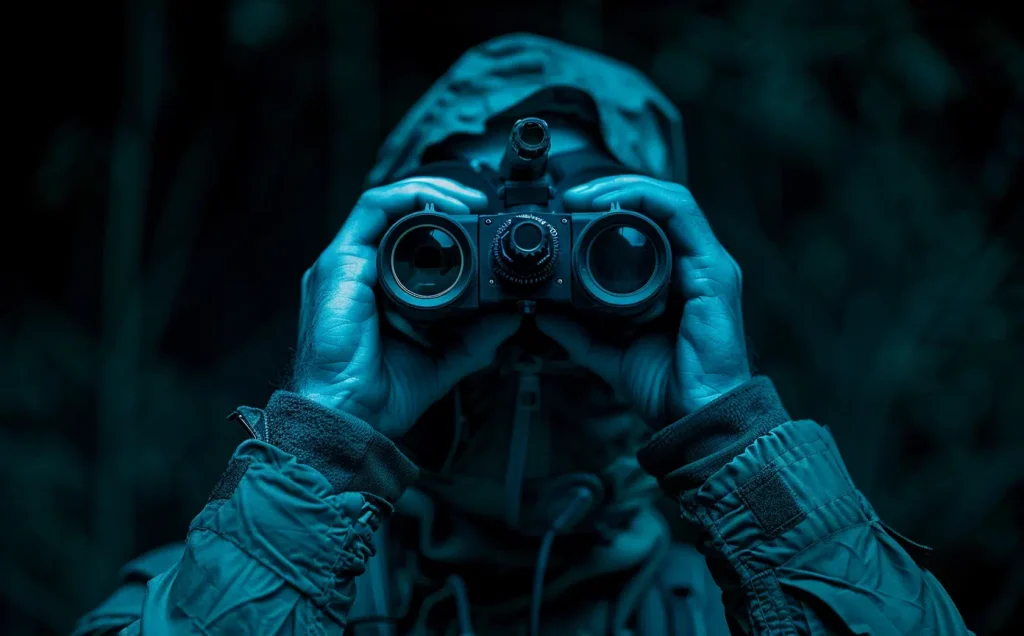
When every second counts in a rescue operation, having the right tools can make all the difference. If you’re involved in search and rescue missions, knowing how to use night vision binoculars effectively can be a game-changer.
These devices allow you to see clearly in the dark, helping you spot people or hazards that would otherwise go unnoticed. But simply owning night vision binoculars isn’t enough—you need to know how to maximize their power in critical moments.
Keep reading, and you’ll discover practical tips and techniques that can help you use your night vision binoculars confidently and efficiently when lives depend on it.

Credit: www.usnighthawk.com
Choosing The Right Night Vision Binoculars
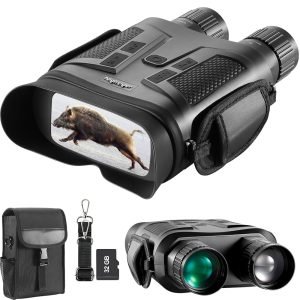
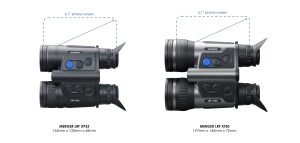
Night vision binoculars use different technologiesto help see in the dark. The main types are image intensificationand thermal imaging. Image intensification brightens small light sources like stars or the moon. Thermal imaging detects heat from people or animals, even in total darkness. Both types have uses in rescue missions.
Important features for rescue missions include:
- Clear image qualityto spot people or objects quickly.
- Long battery lifeto work through the night without stopping.
- Lightweight designfor easy carrying during long operations.
- Wide field of viewto scan large areas fast.
Durability is key. Night vision binoculars must be waterproofand shock-resistant. Rescue work is tough, often in bad weather. Strong materials help binoculars last. Weather resistance ensures they work in rain, fog, or dust.

Credit: gtguardhunt.com
Preparing For Nighttime Rescue
Ensure binoculars are fully charged for optimal use. Check lens clarity and focus. Inspect all straps and fasteners for wear. Verify all batteries are working. Bring extra batteries for safety. Confirm binocular settings are correct. Test night vision in a dark room.
Let eyes adjust to the darkness slowly. Use dim light for initial sighting. Avoid bright lights to prevent eye strain. Practice focusing on different distances. Move slowly to enhance visibility. Keep binoculars steady for clear images.
- Always have a partner during operations.
- Communicate constantly using walkie-talkies.
- Wear reflective clothing for visibility.
- Carry a flashlight for emergencies.
- Check surroundings for obstacles frequently.
- Stay aware of environmental hazards.
Operating Night Vision Binoculars Effectively
Hold night vision binoculars with a firm but gentle grip. Use both hands to keep them steady. Avoid shaking for a clear view. Support your elbows against your body or a surface to reduce movement. Keep the binoculars close to your eyes for comfort and better focus.
Adjust the focus wheel slowly until the image is sharp. Use the diopter adjustment for each eye if available. Clear images help spot people or objects quickly. Check the clarity often as distance and lighting change. Avoid rushing the focus; patience matters.
Move slowly when walking at night to avoid tripping or falling. Scan the area regularly to see your surroundings. Use landmarks or sounds to guide your path. Keep your steps steady and watch for obstacles. Use binoculars to spot safe routes and hazards ahead.
Maximizing Vision Range And Accuracy
Infrared illuminatorshelp improve vision in total darkness. They send out invisible light, making objects clear. Use them carefully to avoid giving away your position. Adjust the brightness to match the environment. Too much light can cause glare and reduce clarity.
Glare and distortion lower the accuracy of your view. Keep lenses clean and use lens covers when not in use. Avoid shining bright lights directly into the binoculars. Hold the binoculars steady to reduce shaking and blurry images. Use a tripod if possible for better stability.
Tracking and identifying targets is easier with practice. Move slowly and scan the area methodically. Use the binoculars’ zoom feature to get a closer look. Note distinct shapes, movements, and sounds to recognize targets. Communicate clearly with your team to share information fast.
Maintaining And Caring For Your Equipment
Use a soft, clean cloth to wipe the lenses gently. Avoid using rough materials that can scratch the glass. Use lens cleaning solution made for optics to remove smudges and dirt. Clean other parts like the body and buttons with a dry cloth. Keep lenses covered when not in use to prevent dust buildup.
Store batteries in a cool, dry place. Remove batteries if the binoculars will not be used for a long time. Use fresh, high-quality batteries for longer life. Check battery levels before starting any operation. Carry extra batteries during rescue missions.
| Storage | Transport |
|---|---|
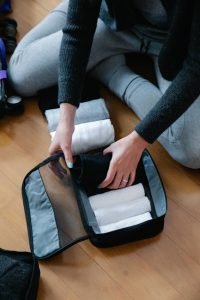
| Keep binoculars in a padded case to avoid damage. | Use a sturdy bag with compartments for safe carrying. |
| Store in a dry place to prevent moisture build-up. | Secure binoculars to prevent shaking during movement. |
| Avoid direct sunlight to protect lenses and electronics. | Handle with care to avoid dropping or bumps. |
Training And Practice For Rescue Teams
Simulated night operations help teams get used to using night vision binoculars. Practice in real-like settings improves reaction timeand accuracy. Teams learn to spot objects clearly in the dark.
Good team coordination is key. Members must communicatewell and share what they see. This keeps everyone safe and makes the rescue faster. Night vision helps teams work as one unit.
Skills need constant work. Regular training sessions keep skills sharp. Practice helps teams stay ready for any night rescue. Learning new tricks and updates also improves success.

Credit: nightgalaxy.com
Frequently Asked Questions
How Do Night Vision Binoculars Enhance Rescue Operations?
Night vision binoculars improve visibility in darkness. They help rescuers locate victims quickly and safely. These tools increase operational efficiency during night rescues, reducing risks and saving lives.
What Features Are Essential In Rescue Night Vision Binoculars?
Key features include infrared illumination, high resolution, and durable design. Lightweight and waterproof models ensure comfort and reliability in tough conditions. Long battery life and easy handling are also crucial for rescue missions.
Can Night Vision Binoculars Work In Total Darkness?
Yes, night vision binoculars with infrared technology operate in total darkness. They amplify minimal light or use infrared light to provide clear images. This makes them ideal for night rescue operations.
How Do Rescuers Maintain Night Vision Binoculars?
Rescuers should clean lenses regularly with soft cloths. Store binoculars in dry, safe places to avoid damage. Check batteries before use and handle equipment carefully to ensure long-lasting performance.
Conclusion
Night vision binoculars help rescuers see clearly in the dark. They improve safety and speed during rescue missions. Practice using them before any real emergency happens. Always check batteries and settings for best results. These tools can save lives when used properly.
Stay prepared and confident with your equipment. Rescue operations become safer with night vision binoculars. Trust your skills and gear to make a difference.