Have you ever been excited to use your compact binoculars, only to find the lenses fogged up? It’s frustrating when your view blurs just as you’re about to spot something important.
But don’t worry—fogging is a common problem, and you can easily prevent it with the right tips. You’ll discover simple, effective ways to keep your binoculars clear and ready for action every time you need them. Keep reading to learn how to protect your gear and enjoy sharp, fog-free views no matter the weather.

Credit: swoptics.co.uk
Causes Of Fogging
Fogging happens when warm, moist air meets cold lenses, causing condensation. Changes in temperature and humidity often lead to this problem. Keeping binoculars dry and protected can help reduce fogging.
Temperature Differences
Fogging happens when warm air meets cold surfaces. Binoculars can fog easily in cold places. The warm air from your breath can make them fog up. Always store them in a stable temperature. This helps prevent fogging.
Humidity Effects
Humidity can cause fogging on binocular lenses. Moist air mixes with cooler glass. This creates fog on the surface. Using dry cloths can help clear the fog. Keeping binoculars in dry places is a good idea.
Lens Coating Impact
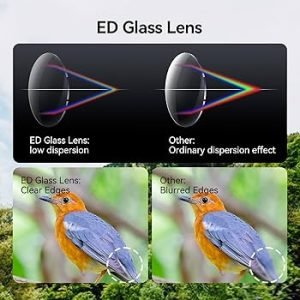
Some binoculars have special lens coatings. These coatings reduce fogging. They prevent water from sticking. But not all binoculars have this. Check your binoculars for coatings. It can make a big difference.
Proper Storage Techniques
Storing compact binoculars properly helps keep them clear and ready. Using a protective caseshields binoculars from dust, dirt, and scratches. Cases also stop moisture from settling on the lenses.
Keep binoculars in a dry place. Avoid storing them in areas with high humidityor near water sources. Moist environments cause fogging and damage the lenses over time.
- Always dry binoculars before storing.
- Use silica gel packs inside the case to absorb moisture.
- Store in a cool, dry spot away from direct sunlight.
Cleaning And Maintenance
Use a soft microfiber cloth to clean the lenses gently. Avoid using paper towels or tissues as they can scratch the glass. Lightly blow off dust before wiping to prevent rubbing particles into the lens.
Apply lens cleaning solution sparingly on the cloth, not directly on the lens. Wipe in small circular motions to remove smudges and dirt without damaging coatings.
- Keep binoculars in a protective case when not in use.
- Never place lenses face down on rough surfaces.
- Avoid using harsh chemicals or household cleaners on lenses.
- Do not touch lenses with fingers to prevent oil stains.
- Store binoculars in a dry place to avoid moisture buildup.

Credit: www.youtube.com
Using Anti-fog Products
Anti-fog sprays help keep binocular lenses clear and free from moisture. They come in different types, each with unique features.
| Type | Description |
|---|---|
| Silicone-Based | Creates a thin layer that stops fog from forming. |
| Alcohol-Based | Evaporates quickly and leaves a clear surface. |
| Gel Form | Easy to apply and lasts longer on lenses. |
| Foam Spray | Expands to cover the lens evenly. |
Apply anti-fog spray on clean lenses for best results. Use a soft cloth to spread the spray evenly. Wait a few seconds before using binoculars. Avoid touching lenses after application. Store sprays in a cool, dry place. Repeat application after heavy use or rain.
Environmental Precautions
Avoid sudden temperature changesto prevent fogging. Moving binoculars quickly from cold to warm places causes moisture. This moisture forms fog inside lenses. Keep binoculars in a bag before taking them indoors. Let them warm up slowly for clear vision.
Manage humidity exposureby storing binoculars in dry places. Use silica gel packs inside the case to absorb moisture. Avoid leaving binoculars in damp areas or near water. Regularly check and dry binoculars after use in wet conditions.
Upgrading To Fog-resistant Models
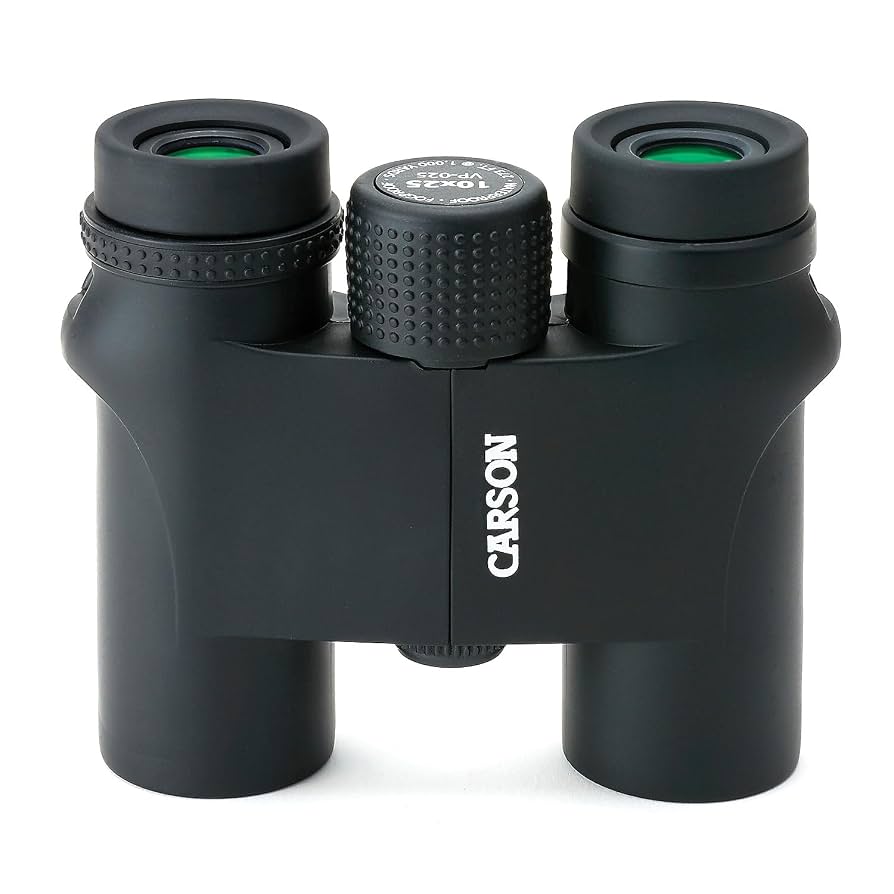
Choosing fog-resistant binocularshelps prevent lens fogging in damp or cold places. These models often have a sealed bodyto stop moisture from getting inside. Look for waterproofand anti-fog coatingson the lenses. These coatings help keep your view clear.
Nitrogen purging is a key feature in many fog-resistant binoculars. It involves filling the inside with dry nitrogen gas. This gas stops moisture buildup and lens fogging. Binoculars with nitrogen purging also resist internal fog in cold or humid weather.
| Feature | Benefit |
|---|---|
| Sealed Body | Blocks water and dust from entering |
| Anti-Fog Coating | Prevents lens fogging on the surface |
| Nitrogen Purging | Stops internal moisture and fog |
| Waterproof | Allows use in rain or wet places |
Credit: www.amazon.ca
Frequently Asked Questions
How Can I Stop Fogging On Compact Binoculars?
To stop fogging, use anti-fog sprays or wipes designed for optics. Store binoculars in a dry, cool place. Avoid sudden temperature changes. Use binoculars with nitrogen or argon purging to prevent internal fogging. Regularly clean lenses with a microfiber cloth.
Why Do Binoculars Fog Up During Use?
Binoculars fog up due to moisture condensation on lenses. This happens when warm, humid air meets cooler glass surfaces. Temperature changes cause water vapor to settle as fog. Using sealed, fog-proof binoculars reduces this effect. Proper storage also helps prevent fogging.
Are There Specific Coatings To Prevent Fogging?
Yes, many binoculars feature anti-reflective and hydrophobic coatings. These coatings repel water and reduce fog formation. Anti-fog coatings improve clarity in humid or cold conditions. They help maintain clear vision during extended outdoor use.
Does Storing Binoculars Properly Reduce Fogging?
Proper storage significantly reduces fogging risk. Keep binoculars in a dry, ventilated case when not in use. Avoid leaving them in damp environments. Use silica gel packs to absorb moisture. This prevents internal condensation and prolongs binocular life.
Conclusion
Preventing fog on compact binoculars keeps your view clear and sharp. Use anti-fog sprays or wipes before heading outdoors. Store binoculars in a dry case when not in use. Avoid sudden temperature changes to reduce fog buildup. Regularly clean lenses with a soft cloth for better clarity.
Small steps make a big difference in your experience. Enjoy clear sight every time you explore nature or watch sports. Simple care helps you see more and worry less.