Are you struggling to quickly spot your target through your thermal scope? Adjusting your thermal scope properly can make all the difference between a missed opportunity and a clean shot.
You’ll learn simple, step-by-step techniques to fine-tune your scope for faster target acquisition. Imagine saving precious seconds and gaining the confidence to act immediately when it counts. Keep reading, and you’ll discover easy adjustments that put you ahead every time you aim.
Credit: pulsarvision.com
Choosing The Right Thermal Scope
Pick a scope with a high sensor resolution. Clear images help find targets fast. A refresh rateof 30 Hz or more is ideal. This ensures smooth movement tracking. Both features are crucial for quick action.
A larger lens sizecaptures more details. It boosts image clarity, especially in low light. The field of viewshould be wide. This helps you see more of the area around your target. It aids in spotting multiple targets.
These elements are key for choosing a scope. Find one that matches your needs. A good scope makes hunting or searching easier.
Setting Up Your Thermal Scope
Secure the thermal scope tightly on your rifle mount. Proper alignmentensures accurate targeting. Check the scope’s position to avoid any wobbling or loose fit.
Turn on the scope and let it warm up for a few minutes. This initial calibrationhelps the sensor adjust to your environment. Follow the manual for any specific calibration steps needed.
Adjust the brightnessand contrastsettings to get a clear image. Too bright or too dark can hide important details. Find a balance that shows heat signatures sharply.
Optimizing Reticle Settings
Adjusting reticle settings improves focus on targets in thermal scopes. Clear, simple reticles help find targets faster. Changing brightness and size boosts visibility in different environments.
Selecting Reticle Types
Choosing the right reticle typehelps in quick target spotting. Simple crosshairs suit most users. Some prefer circle-dotreticles for faster aiming. Reticles with mildotshelp measure distance and size. Try different types to find what works best for you.
Adjusting Reticle Brightness
Set brightness so the reticle stands out without blinding you. Brightness should match the environment. Lower settings work well in dark places. Higher settings are good for bright days. Adjust brightness slowly to avoid losing sight of the target.
Zeroing For Accuracy
Zeroing means aligning the reticle with your bullet’s path. Start at a close range, like 25 yards. Shoot and check where bullets hit. Adjust windage and elevation until shots hit the target center. This step ensures your scope is precise and fast to use.
Environmental Considerations
Weather conditionsaffect thermal scope performance greatly. Cold temperatures can reduce sensor sensitivity. Warm weather may cause heat waves that blur images. Adjust the scope’s temperature settingsto match the environment for clear images.
Thermal scopes need recalibration with temperature changes. Sudden shifts can cause false readings or image distortion. Allow the scope to stabilizebefore use. Some models have an automatic temperature adjustment feature.
Glare and reflectionscan hide targets or create false heat spots. Use matte finisheson the scope and avoid shiny surfaces near the lens. Position yourself to block direct light hitting the scope lens.
- Check weather before use for better scope settings.
- Let the scope adjust to new temperatures.
- Use shades or covers to minimize glare.
- Keep lens clean to avoid false heat signatures.
Techniques For Fast Target Acquisition
Scanning wide areas quickly helps find targets faster. Move the scope gently in a smooth side-to-side motion. Focus on heat differences in the environment. Bright or warm spots show living things or engines. Narrow your scan to smaller zones once a target is spotted. This saves time and improves accuracy.
Thermal signatures show heat from animals, people, or machines. Use contrast settings to make warm objects stand out. Adjust brightness to avoid glare or dark spots. Warmer colors usually mean closer or bigger targets. Cooler colors might be far away or smaller. Learn to read these colors well for quick decisions.
Practice moving your scope smoothly while tracking moving targets. Start with slow target movements and increase speed gradually. Keep the target centered in the view. Use steady hand support or a tripod if possible. Training improves your reaction time and accuracy.

Credit: www.instagram.com
Maintenance Tips For Consistent Performance
Regular cleaning keeps your thermal scope working well. Use a soft cloth to wipe lenses gently. Avoid harsh chemicals that can damage the glass. Clean the body with a dry cloth to remove dust and dirt. Store the scope in a dry place to prevent moisture build-up.
Battery management is key for consistent performance. Check battery levels often to avoid sudden power loss. Use high-quality batteries and carry spares when out in the field. Remove batteries if the scope won’t be used for a long time to stop corrosion.
| Firmware Updates | Why It Matters | How to Update |
|---|---|---|
| Keep software current | Fixes bugs and improves features | Download from the manufacturer’s website |
| Check update frequency | Ensures smooth and fast scope operation | Follow update instructions carefully |
| Backup settings | Prevents loss of custom adjustments | Save settings before updating |

Credit: gtguardhunt.com
Frequently Asked Questions
How Do I Zero My Thermal Scope Quickly?
Zero your thermal scope by aligning the reticle with a known distance target. Adjust windage and elevation knobs until the point of impact matches the reticle. Repeat at different ranges for accuracy. This ensures faster target acquisition during use.
What Is The Best Brightness Setting For Thermal Scopes?
Set brightness to a moderate level to enhance contrast without washing out details. Avoid maximum brightness as it may cause glare. Adjust based on ambient light and environment for clear, quick target detection.
How To Adjust The Focus On A Thermal Scope Fast?
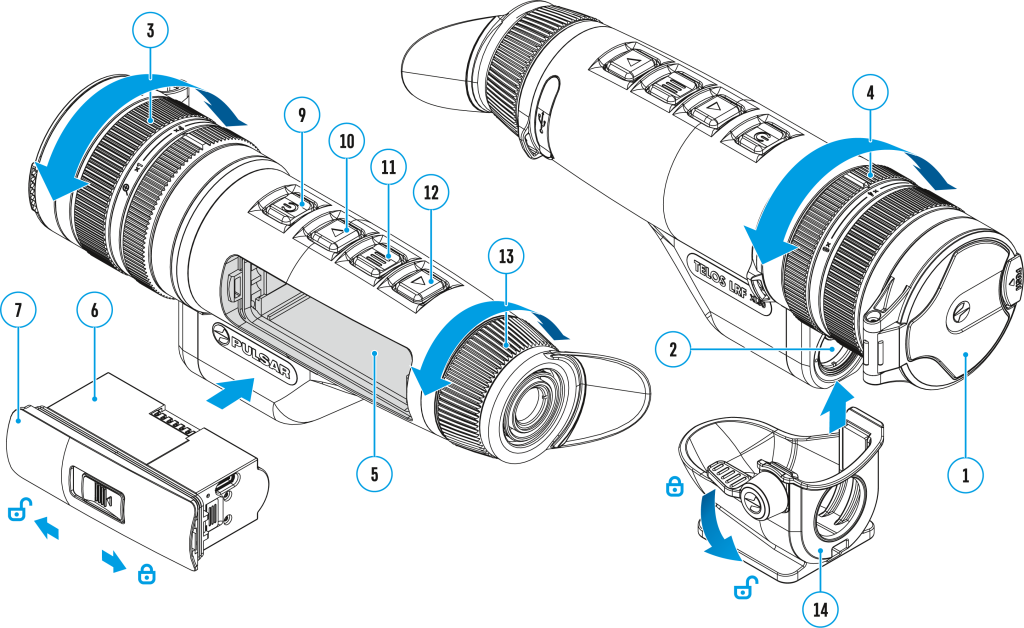
Use the focus ring or dial near the eyepiece to sharpen images. Start with a rough focus, then fine-tune while observing the target. Proper focus reduces eye strain and improves speed in identifying targets.
Why Is Reticle Adjustment Important For Thermal Scopes?
Reticle adjustment ensures your aiming point aligns with the actual bullet impact. Accurate reticle settings prevent missed shots and speed up target engagement. Regular adjustments enhance precision during varying shooting conditions.
Conclusion
Adjusting your thermal scope helps you find targets quickly and clearly. Start by setting the right brightness and contrast for your environment. Focus on zeroing your scope to match your rifle. Practice aiming at different distances to build confidence. Small tweaks make a big difference in speed and accuracy.
Keep your settings consistent and check them before every use. With regular practice, your target acquisition will improve naturally. Stay patient and take your time to adjust properly. This simple routine will help you see better and act faster.