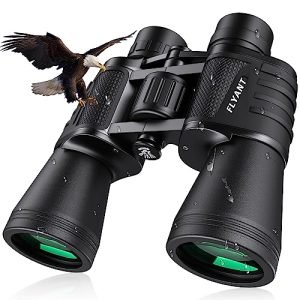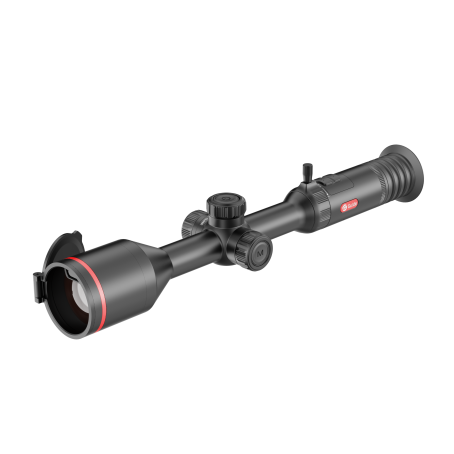
Are you struggling to get clear images through your night vision scope? Proper calibration is the key to unlocking its full potential.
Without it, your view can be blurry, misaligned, or even misleading. In this guide, you’ll discover simple steps to calibrate your night vision scope quickly and accurately. By following these easy tips, you’ll improve your accuracy and confidence during nighttime use.
Keep reading to make sure your scope works perfectly when you need it most.
Preparing Your Scope
Dust and dirt can affect the view. Use a soft cloth to clean the lens gently. Avoid harsh chemicals. A clean lens ensures a clear vision. Check the lens regularly. Keep it free from smudges and scratches.
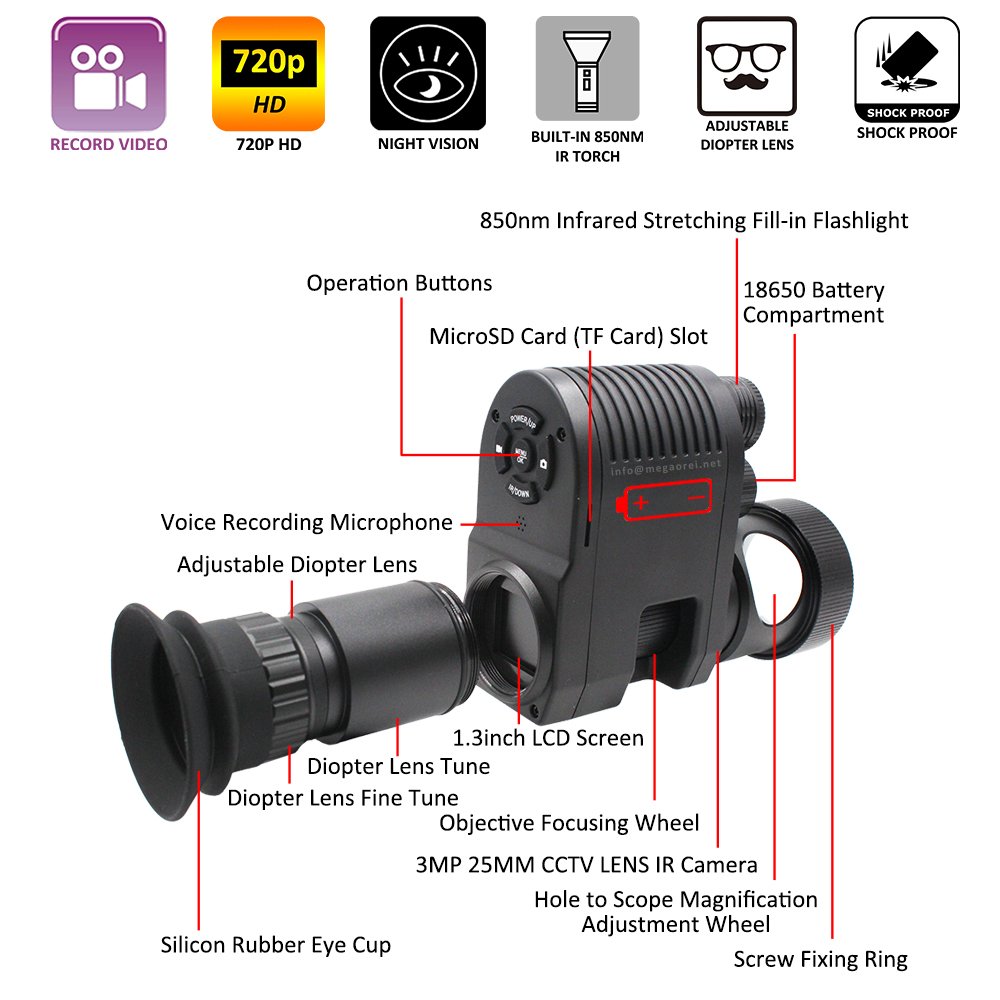
Ensure the battery is charged. Power is crucial for night vision scopes. Check the battery connection. Replace old batteries with new ones. A strong battery keeps the scope working well. Always carry extra batteries when going outdoors.
- Ensure the scope is firmly attached.
- Check the mounting rings.
- Tighten screws carefully.
- A secure mount avoids shaking.
- Test the scope after mounting.
Credit: megaorei.net
Choosing Calibration Targets
Choosing the right calibration targetsis key for clear night vision scope adjustment. Targets should have high contrastto stand out in low light. Using simple shapeslike circles or squares helps focus on accuracy.
Targets with reflective materialsor bold colorswork best for visibility. Avoid complex images that may confuse the calibration process.
| Target Type | Best For | Notes |
|---|---|---|
| Reflective circles | High contrast | Easy to see at night |
| Black and white squares | Sharp edges | Good for focus adjustment |
| Plain colored boards | Simple shapes | Minimizes confusion |
Setting targets at the correct distancesis critical. Place them at varied rangesto check scope accuracy at each point.
- Start close, around 10 meters for fine tuning.
- Then place targets at 25 and 50 meters.
- Check clarity and alignment at each distance.
- Adjust until the image is clear across all targets.
Adjusting Focus And Brightness
The objective lensmust be adjusted to get a clear image. Turn the lens slowly while looking through the scope. Stop turning once the image looks sharp and clear. This step is key to seeing well at night.
Brightness controls help to improve visibility in dark conditions. Adjust the brightness to a level that is not too bright or too dim. It should be comfortable for your eyes and show details clearly.
- Start with low brightness and increase slowly.
- Check the clarity of the image after each change.
- Use the brightness control to match the light outside.

Credit: www.amazon.com
Zeroing The Scope
Zeroing the scope means setting the crosshairsto hit the target exactly where you want. Start by aiming at a fixed targetfrom a steady position. Look through the scope and check where the crosshairs point compared to the target center.
Making windage adjustmentsmoves the crosshairs left or right. Turn the windage knob slowly until the crosshairs line up with the target horizontally. Small turns make a big difference, so adjust carefully.
Making elevation adjustmentsmoves the crosshairs up or down. Use the elevation knob to raise or lower the point of aim. Adjust until the bullet or image lines up vertically with your target.
Repeat the process as needed. Each adjustment brings the scope closer to perfect zero. Patience is key to accurate night vision shooting.
Testing In Real Conditions
Testing night vision scopes requires a dark areathat mimics night conditions. Use a room with low light or wait for dusk outside. This helps see how the scope performs in real darkness.
Place targets at different distances. Check if the scope shows clear images at all ranges. Adjust the focus and brightness to get the best view.
| Range (meters) | Visibility | Adjustment Needed |
|---|---|---|
| 10 | Clear | No |
| 25 | Good | Brightness |
| 50 | Faint | Focus & Brightness |
- Check for image sharpness at close and far distances.
- Make small tweaks to focus and brightness for clarity.
- Repeat tests until target is visible at all ranges.

Credit: www.amazon.com
Maintaining Calibration
Calibrating night vision scopes ensures clear images in low light. Adjust focus and alignment carefully to maintain accuracy. Regular checks help keep your device reliable and effective.
Regular Checks And Adjustments
Regular checks keep your night vision scope working well. Look for any blurry images or spots. Adjust the focus and brightness as needed. Use a stable target to test the scope’s accuracy. Check the alignment often to avoid errors. Small changes help keep the view clear and sharp.
Storing The Scope Properly
Store the scope in a dry, cool place. Avoid direct sunlight or damp areas. Use a protective case to stop dust and damage. Remove batteries if not using it for a long time. Proper storage helps keep the scope safe and ready to use.
Frequently Asked Questions
How Do You Calibrate A Night Vision Scope?
To calibrate, first set up a stable target at a known distance. Adjust the scope’s windage and elevation knobs until the reticle aligns perfectly with the target. Repeat this process in low-light conditions for best accuracy.
Why Is Night Vision Scope Calibration Important?
Calibration ensures your scope provides accurate targeting in the dark. Without proper calibration, shots may miss the target due to alignment errors. This improves hunting precision and overall safety during nighttime use.
How Often Should You Calibrate Night Vision Scopes?
It’s best to calibrate your scope before every night use. Frequent calibration accounts for environmental changes and scope adjustments. Regular checks maintain optimal performance and accuracy in varying conditions.
Can I Calibrate Night Vision Scopes Myself?
Yes, you can calibrate your night vision scope at home using basic tools. Follow the manufacturer’s instructions carefully. Use a stable target and proper lighting to ensure precise adjustments without professional help.
Conclusion
Calibrating your night vision scope improves your accuracy and safety. Small adjustments can make a big difference in low light. Always check your settings before each use. Practice regularly to keep your skills sharp. Clear vision helps you see targets better at night.
Keep your scope clean and handle it with care. Proper calibration saves time and reduces frustration. Stay patient and take your time during the process. Good calibration leads to better results in the field.