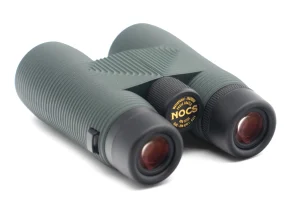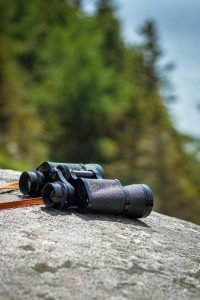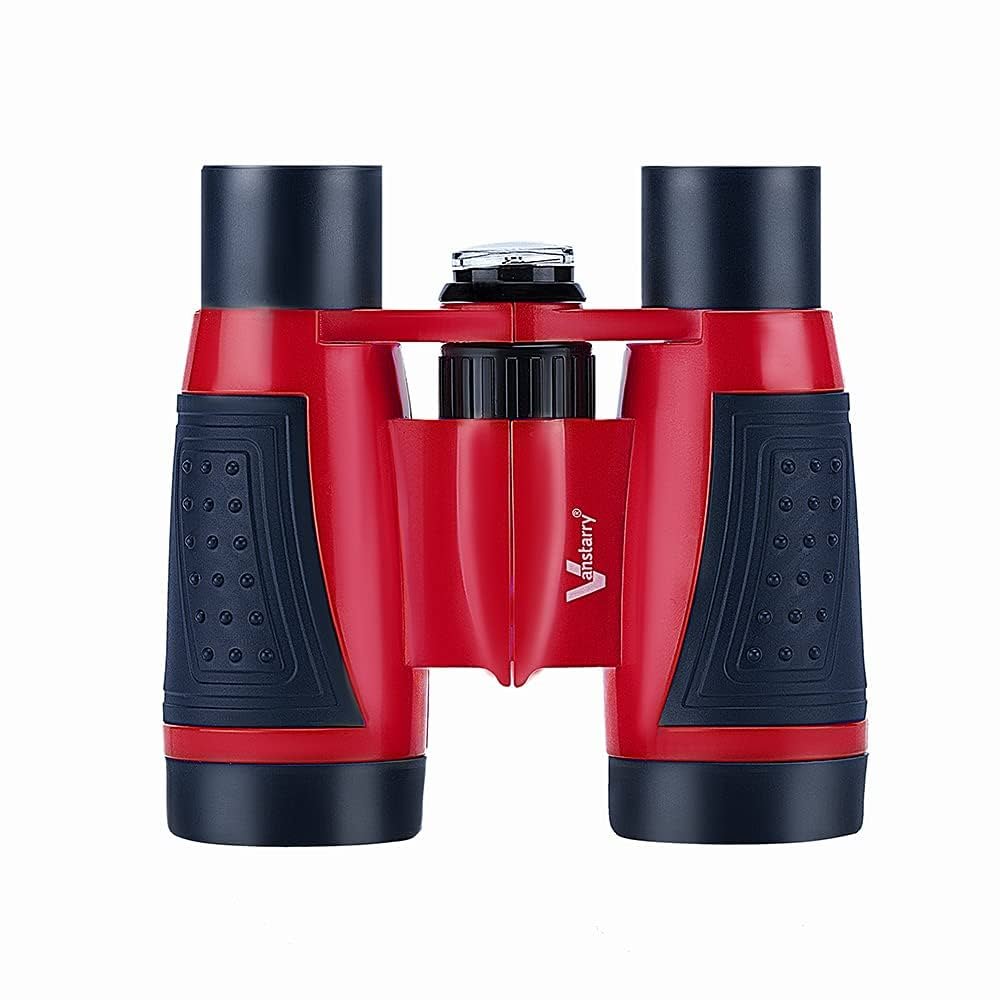
You’ve packed your binoculars for your camping trip, ready to catch every breathtaking view. But have you thought about how to store them properly to avoid mildew?
Mildew can ruin your binoculars, clouding the lenses and damaging the body. Don’t let this happen to your gear. You’ll discover simple, effective ways to keep your binoculars dry and mildew-free, so they work perfectly every time you need them.
Keep reading to protect your investment and enjoy clear, sharp views on every adventure.
Credit: www.nytimes.com
Choose The Right Storage Case
Selecting a sturdy, waterproof storage case keeps binoculars dry and safe from moisture. A well-ventilated case also helps prevent mildew during camping trips. Choose cases with soft padding to protect lenses from scratches.
Waterproof And Breathable Materials
Always pick a case with waterproofmaterial. This keeps moisture out. Look for cases that are breathable. It helps prevent mildew. A well-ventilated case is key. Keeps your binoculars dry and safe.
Padded Protection For Safety
Padded casesprotect binoculars from bumps. Foam padding is best. It absorbs shocks. Make sure the padding covers all sides. Protects lenses and body. Strong padding ensures safety during travel.
Keep Binoculars Dry Before Storage
Dry binoculars completely before storing them to prevent moisture buildup. Use a soft cloth to wipe away water and let air dry in a shaded area. Keeping them dry stops mildew and keeps lenses clear for your next camping trip.
Wipe Off Moisture And Dirt
Always wipe binoculars with a soft cloth to remove moistureand dirt. This stops water from settling and causing mildew. Use a dry, clean cloth after each use. Avoid leaving dirt on lenses or body.
Use Silica Gel Packs
Place silica gel packsinside the binocular case. These packs absorb humidityand keep the inside dry. Replace packs regularly for best results. Silica gel helps stop moldand mildew from forming during storage.
Control Humidity Levels
Store binoculars in a cool, dry placeto prevent moisture buildup. Avoid keeping them in damp areas like basements or near water sources. A steady temperature helps stop mildew growth.
Desiccants, such as silica gel packs, absorb moisture from the air. Place these packets inside the binocular case. Replace them regularly to keep the environment dry and safe.
- Choose a storage spot with low humidity.
- Keep binoculars away from direct sunlight or heat.
- Use airtight containers with desiccants for extra protection.
- Check desiccants often and replace when saturated.

Credit: www.amazon.com
Avoid Direct Sunlight And Heat
Direct sunlight can cause damage to lensesand seals of binoculars. Heat makes lens coatings break down faster. Seals can become soft or cracked. This lets moisture enter and cause mildew. Keep binoculars away from hot places like car dashboards or tents under the sun.
Ideal places for storage are cool and dry. A closed containeror bag helps block dust and moisture. Avoid damp areas like basements or near water. A soft pouch or case with silica gel packs keeps moisture low. This prevents mildew and keeps binoculars clear.
| Storage Location | Why It Works |
|---|---|
| Cool indoor shelf | Low heat and dry air protect lenses and seals |
| Soft padded case | Protects from dust, bumps, and moisture |
| Dry bag with silica gel | Absorbs moisture, prevents mildew growth |
Regular Maintenance During Trips
Clean binoculars with a soft cloth after every use. Dirt and moisture can cause mildewquickly. Avoid using harsh chemicals that may damage lenses. Instead, use gentle soap and water if needed. Let binoculars dry completely before storing.
Check binoculars for any signs of mildewlike spots or a musty smell. Early detection helps stop mildew from spreading. Use a soft brush to remove dirt from tight spots. Store binoculars in a dry, ventilated place during trips.
Additional Tips For Extended Storage
Anti-fungal sprays can protect binoculars from mildew. Use sprays designed for delicate items. Spray lightly and let it dry completely before storing. Avoid using too much spray to prevent damage.
Good ventilation helps keep binoculars dry. Store them in a place with fresh air flow. Avoid sealing them in plastic bags for long periods. A small silica gel pack can absorb moisture inside the case.
| Tip | Why It Helps |
|---|---|
| Use anti-fungal spray | Stops mildew growth on lenses and body |
| Store in ventilated area | Prevents moisture buildup |
| Include silica gel packs | Absorbs excess moisture |
| Avoid sealed plastic bags | Allows air circulation |

Credit: www.amazon.com
Frequently Asked Questions
How Can I Prevent Mildew On Binoculars During Camping?
Keep binoculars dry and clean before storage. Use silica gel packs to absorb moisture. Store them in a breathable case away from dampness.
What Is The Best Way To Dry Binoculars After Use?
Wipe binoculars with a soft, dry cloth immediately after use. Avoid direct heat. Let them air dry in a shaded, ventilated area.
Should I Use A Special Case To Store Binoculars?
Yes, a padded, breathable case helps protect binoculars from moisture and damage. Avoid plastic cases that trap humidity.
Can Storing Binoculars In A Car Cause Mildew?
Yes, cars can trap moisture and cause mildew. Avoid leaving binoculars in cars for long periods, especially in humid conditions.
Conclusion
Keeping your binoculars dry prevents mildew during camping trips. Store them in a soft, breathable case to allow air flow. Use silica gel packets to absorb moisture inside the case. Wipe lenses and body with a dry cloth after use.
Avoid leaving binoculars in damp places or direct sunlight. Regular care keeps your binoculars clear and ready for your next adventure. Simple steps make a big difference in protecting your gear. Stay prepared and enjoy your camping without mildew worries.