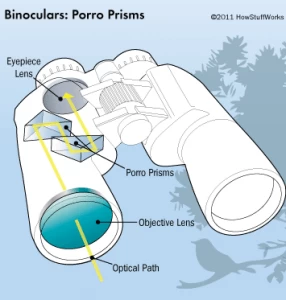
Imagine investing in high-quality surveillance binoculars only to find them marred by scratches that blur your vision and hinder your ability to observe effectively. Frustrating, right?
You want to ensure your binocular lenses stay pristine, providing you with clear, sharp images every time you use them. The secret to maintaining that perfect view lies in understanding how to protect your binocular lenses from scratches and damage.
You’ll discover practical tips and techniques to keep your lenses in top condition, ensuring your surveillance work is never compromised. Dive in and learn how you can prolong the lifespan and performance of your valuable equipment.

Credit: www.amazon.com
Common Causes Of Scratches
Dust, dirt, and rough surfaces often cause scratches on binocular lenses. Touching lenses with fingers or using harsh cloths can also damage them easily. Taking care during cleaning and storage helps keep lenses clear and scratch-free.
Environmental Factors
Dust, sand, and dirt can easily scratch binocular lenses. Wind can blow small particles onto the lenses. Rain and moisture can leave marks that harm lens coatings. Avoid using binoculars in very dusty or wet places without protection.
Improper Handling
Touching lenses with dirty or oily fingers causes smudges and scratches. Placing binoculars lens-down on hard surfaces can damage them. Avoid wiping lenses with rough cloths or paper towels. Use only soft, clean lens cloths for cleaning.
Inadequate Storage
Storing binoculars without a case exposes lenses to dust and scratches. Leaving them in bags with keys or other hard items can cause damage. Always keep binoculars in a padded case. Store them in a dry, cool place to protect lenses well.
Choosing The Right Protective Gear
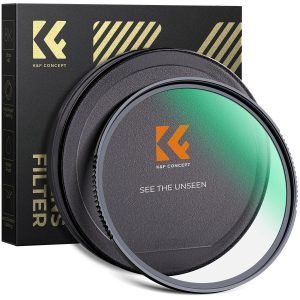
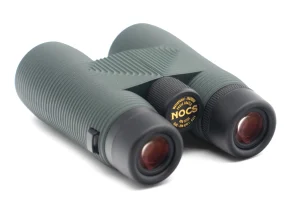
Lens caps and coversprotect binocular lenses from dirt and scratches. Always keep lens caps on when not using your binoculars. Soft covers help shield lenses during transport. They prevent dust and small scratches from damaging lenses.
Protective casesprovide strong protection. Choose cases with cushioned interiors and hard exteriors. Cases keep binoculars safe from bumps and drops. Store binoculars in cases when not in use for extra safety.
| Lens Filters | Benefits |
|---|---|
| UV Filters | Protect lenses from UV rays and scratches |
| Polarizing Filters | Reduce glare and protect lens surface |
| Clear Filters | Basic protection without affecting image quality |
Safe Cleaning Techniques
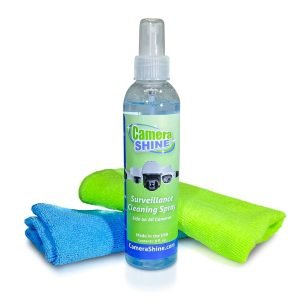
Microfiber clothsare soft and gentle on binocular lenses. They help remove dustand smudgeswithout scratching. Avoid using rough fabrics like paper towels or shirts, as they can cause damage.
Choose cleaning solutionsmade for optics or lens care. Avoid household cleaners with ammonia or alcohol, which can harm lens coatings. Use small amounts to prevent liquid from entering the binoculars.
- Never use abrasive materials or tissues.
- Avoid harsh chemicals and sprays.
- Use gentle wiping motions to protect lenses.
Proper Handling Practices
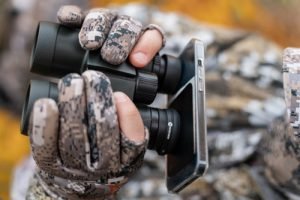
Handle surveillance binocular lenses gently using a soft microfiber cloth to clean them. Store lenses in a protective case to prevent scratches during transport or storage. Avoid touching the glass with fingers, as oils can damage the lens surface.
Holding And Carrying Tips
- Hold binoculars firmly with both hands to avoid drops.
- Use the neck strap to keep them close and secure.
- Keep binoculars in a padded case when not in use.
- Avoid placing binoculars on rough surfaces to prevent scratches.
Avoiding Touching The Lens Surface
Never touch the lens surfacewith fingers. Oils and dirt can cause smudges and damage. Use a lens cap or cover to protect lenses when not in use. If cleaning is necessary, only use a soft microfiber cloth gently. Avoid using paper towels or clothing as they can scratch lenses.
Regular Maintenance Checks
Check binoculars often for dirt and dust. Clean lenses only when needed using proper tools. Inspect for loose screws or parts to avoid damage. Store binoculars in a dry place to prevent moisture build-up. Regular care keeps lenses clear and scratch-free.
Storage Best Practices
Keep lenses in a cool, dry place. High heat or moisture can damage coatings and glass. Use a room with steady temperature and low humidityto store binoculars. Avoid places like attics or bathrooms where conditions change often.
Organize storage spaces to protect lenses from dust and scratches. Use soft-lined cases or pouchesto prevent rubbing against hard surfaces. Store binoculars away from sharp objects and heavy items that might press on them.
For travel and field use, choose rigid, padded casesthat fit binoculars snugly. This keeps lenses safe from bumps and drops. Always close lens caps before packing to avoid scratches.
| Storage Tip | Why It Helps |
|---|---|
| Cool, dry environment | Prevents moisture damage and lens fogging |
| Soft-lined cases | Protect lenses from scratches and dust |
| Rigid padded travel cases | Shields binoculars from shocks and drops |
| Keep lens caps on | Stops direct contact with rough surfaces |
Credit: www.kentfaith.com
When To Seek Professional Help
Serious damage to binocular lenses shows as deep scratches or cracks. These issues can harm image clarity and lens function. Seek help if you notice blurry views or lens coating peeling. Do not try to fix major damage by yourself. Professionals have the right tools and skills for repair.
| Repair Options | Description |
|---|---|
| Lens Polishing | Removes minor scratches and restores smooth surface. |
| Lens Replacement | Needed for deep scratches or cracked lenses. |
| Coating Renewal | Reapplies protective layers to improve lens life. |
- Professionals can clean lenses safely with special tools.
- They offer regular checkups to catch problems early.
- Expert care helps keep binoculars working well longer.
Credit: www.availableonline.com.au
Frequently Asked Questions
How Can I Protect Binocular Lenses From Scratches?
Use lens caps when not in use and store binoculars in a padded case. Clean lenses gently with a microfiber cloth. Avoid touching lenses with fingers to prevent oils and dirt.
What Is The Best Way To Clean Surveillance Binocular Lenses?
Use a soft brush or air blower to remove dust. Apply lens cleaner sparingly on a microfiber cloth and wipe lenses in a circular motion. Never use rough materials or household cleaners.
Should I Use A Lens Protector On Binoculars?
Yes, lens protectors add a physical barrier against scratches and dirt. Choose high-quality protectors that fit well and don’t affect image quality. They extend lens life and maintain clear viewing.
How Often Should I Clean Binocular Lenses?
Clean lenses only when necessary to avoid damage. Regularly remove dust and smudges to keep optics clear. Frequent gentle cleaning improves image quality and prevents permanent scratches.
Conclusion
Protecting your surveillance binocular lenses keeps your view clear and sharp. Clean lenses gently with a soft cloth to avoid scratches. Always store your binoculars in a case when not in use. Avoid touching the glass surface with your fingers.
Regular care helps your binoculars last longer. Small efforts make a big difference in lens safety. Keep these tips in mind for the best experience. Clear lenses mean better observation every time.