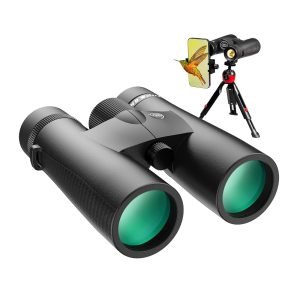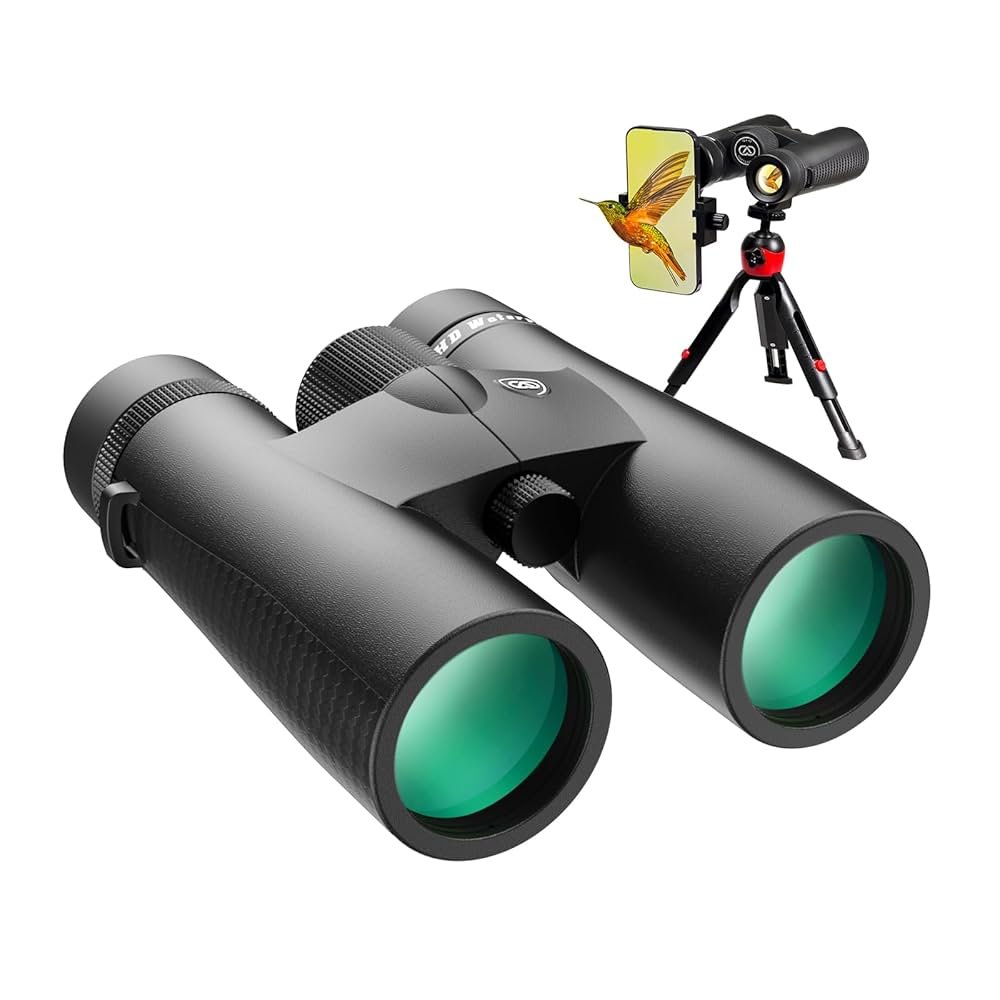
Are you ready to take your outdoor viewing experience to the next level? Using waterproof binoculars with a tripod can transform how you see nature, sports, or distant landscapes.
But if you’re not sure how to set everything up or get the best results, you might miss out on sharp, steady views. This guide will show you simple steps to use your waterproof binoculars with a tripod effectively, so you can enjoy clear, comfortable sight without any hassle.
Keep reading, and you’ll learn how to make every moment count with your gear.
Choosing Waterproof Binoculars
Always choose binoculars that are waterproofanti-foglenses. This helps in cold weather. Check for durablecasing. It protects from drops and bumps. Lightweight designs are better. They are easy to carry. Look for clear visionlenses. They help see far and wide.
| Model | Features |
|---|---|
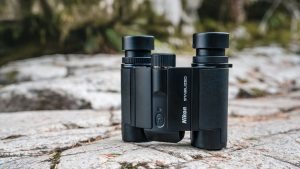
| Nikon Prostaff | Waterproof, anti-fog, clear vision |
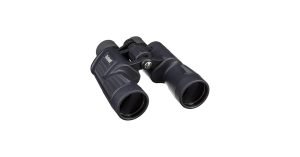
| Bushnell H2O | Waterproof, durable, lightweight |
| Celestron Nature DX | Waterproof, fog-proof, great clarity |

Credit: www.newegg.com
Selecting The Right Tripod
Choosing the right tripod is key for clear and steady views. Tripods come in many types:
- Tabletop tripodsare small and easy to carry. Good for light binoculars.
- Standard tripodsoffer better height and stability. Great for outdoor use.
- Flexible tripodsbend to hold on uneven surfaces like tree branches.
Balance stability with portability. A heavy tripod is steady but hard to carry. A light one is easy to move but may shake.
Look for tripods with adjustable legs and a smooth head for easy aiming. A quick-release plate helps attach binoculars fast.
| Factor | Benefit | Consideration |
|---|---|---|
| Weight | Easy to carry | May reduce stability |
| Height | Comfortable viewing | Too tall may be unstable |
| Material | Durable and strong | Metal is heavy, carbon is lighter |
Mounting Binoculars On A Tripod
Use a tripod adapterto connect binoculars to the tripod. This adapter fits the binoculars’ center hinge or tripod mount. It holds binoculars steady and stops shaking.
Secure the binoculars tightly but gently in the adapter. Check that they do not move or slip. Use the tripod’s adjustment knobs to set the right angle and height for clear views.
Make sure the tripod is on a stable surface. This keeps the binoculars safe and steady. Avoid placing the tripod on uneven or soft ground that can tip over.
- Attach the tripod adapter to binoculars
- Fix binoculars firmly in the adapter
- Place tripod on a flat, steady spot
- Adjust tripod height and angle smoothly
- Check stability before use

Credit: heworkssoitravel.com
Adjusting For Clear Viewing
Hold the binoculars steady on the tripod for sharp images. Slowly turn the focus knob until the view becomes clear. Use the central focus wheel for quick adjustment.
Each eye may need slight fine-tuning. Adjust the diopter ring on one eyepiece to match your vision. This helps both eyes see clearly without strain.
- Set the tripod height for a comfortable viewing angle.
- Keep your neck and back straight to avoid fatigue.
- Adjust the binoculars’ tilt and swivel to match your line of sight.
- Make small moves for precise alignment before locking the tripod.
Maintaining Your Equipment
Cleaning waterproof binocularshelps keep clear views. Use a soft cloth to wipe lenses gently. Avoid rough materials that can scratch glass. Rinse binoculars with clean water after use in salty or dusty places. Dry them with a clean, dry cloth. Store binoculars in a dry, cool place to stop mold or damage.
Caring for the tripodensures stability and long life. Tighten all screws before use to keep it steady. Clean tripod legs with a damp cloth to remove dirt. Avoid using harsh chemicals that can weaken materials. Check the tripod joints often and lubricate them if they feel stiff. Store the tripod in a bag to protect it from dust and knocks.

Credit: www.amazon.com
Common Mistakes To Avoid
Over-tightening mountscan damage your tripod or binoculars. It may cause parts to crack or break. Tighten mounts just enough to hold the binoculars steady. Too much force can strip screws or bend parts. Use gentle pressure and check stability before tightening more.
Ignoring weather conditionscan harm your equipment. Waterproof binoculars are good in rain, but strong winds can shake the tripod. Wet surfaces may make the tripod legs slip. Always check wind speed and ground stability. Use tripod spikes or sandbags for extra grip on slippery ground.
Frequently Asked Questions
How Do I Mount Waterproof Binoculars On A Tripod?
Attach the binoculars using a tripod adapter or a built-in tripod mount. Secure the adapter tightly to prevent movement during use.
What Tripod Is Best For Waterproof Binoculars?
Choose a sturdy, adjustable tripod with a smooth pan head. Lightweight aluminum or carbon fiber tripods offer durability and easy transport.
Can Waterproof Binoculars Be Used In Rainy Conditions?
Yes, waterproof binoculars are designed to resist water damage. They provide clear vision even during heavy rain or wet environments.
How Do I Stabilize Waterproof Binoculars On A Tripod?
Adjust the tripod legs for a firm base. Use the tripod head controls to steady the binoculars for shake-free viewing.
Conclusion
Using waterproof binoculars with a tripod improves stability and view quality. It helps you see distant objects clearly without shaking. Always secure the binoculars tightly on the tripod. Adjust the height and angle for the best comfort. This setup works well in rain or wet places.
It makes outdoor activities like birdwatching or hiking more enjoyable. Practice setting up to save time later. Keep your gear clean and dry after use. Enjoy clear, steady views wherever you go.