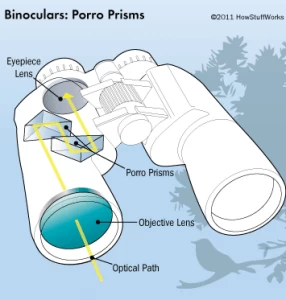
Have you ever been out in nature, ready to spot something amazing, only to find your Porro prism binoculars fogging up? It’s frustrating, right?
Foggy lenses can ruin your view and spoil your experience. But don’t worry—there are simple steps you can take to keep your binoculars clear and sharp. You’ll learn exactly how to avoid fogging in your Porro prism binoculars so you can enjoy every moment without interruption.
Keep reading to discover easy, practical tips that make a big difference.
Causes Of Fogging
Moisture can sneak insidebinoculars. This happens when the seal is weak. Water vapor gets trapped. It turns into fog. Keeping binoculars dry is important. Use silica gel packs. They absorb moisture. Store binoculars in a dry place. This prevents fogging.
Sudden temperature shifts cause fogging. Warm air hits cold lenses. Condensation formson the glass. This causes fog. Avoid quick temperature changes. Let binoculars adjust slowly. Store them at room temperature.
Poor seals let air inside. This leads to fogging. Ensure seals are tight. Check for damage regularly. Special coatings can help. They repel water. Make sure coatings are intact. Proper maintenance reduces fogging risks.

Credit: www.basicsofbirding.com
Choosing Fog-resistant Binoculars
Nitrogen and Argon purgingfill the binoculars with dry gas. This stops moisture inside. Moisture causes fog on lenses. These gases do not condense. This keeps the view clear in cold or wet weather.
Waterproof ratingsshow how well binoculars resist water. Look for models with IPX7 or higher. This means they can handle heavy rain or splashes. Waterproof seals also stop water from getting inside.
Anti-fog coatingsare thin layers on lenses. They reduce water droplets forming on glass. This keeps the image sharp and clear. These coatings work best when combined with gas purging and waterproof design.
Proper Storage Techniques
Silica gel packsabsorb moisture inside binocular cases. Place a few packs with your Porro prism binoculars to keep them dry. These packs are small and easy to use. Replace them after some time to keep absorbing moisture effectively.
Avoid humid environmentsto prevent fogging. Store binoculars in cool, dry places. Avoid bathrooms, kitchens, or basements where moisture levels are high.
Protective casesshield binoculars from dust and moisture. Use a case with a tight seal. Soft cases protect from scratches but hard cases offer better moisture protection. Store binoculars in their case when not in use to maintain clear lenses.
Daily Maintenance Tips
Cleaning lenses safelykeeps your Porro prism binoculars clear. Use a soft, clean cloth to wipe the lenses gently. Avoid using rough materials that can scratch the glass. Use lens cleaning fluid made for optics; do not use household cleaners. Clean only when lenses look dirty to avoid wear.
Checking for seal damagehelps prevent fogging inside. Inspect the rubber seals around the lenses and body. Look for cracks, tears, or gaps. Damaged seals let moisture in, causing fog. Replace seals if damaged to keep binoculars dry.
Drying after useis important, especially after rain or dew. Wipe binoculars with a dry cloth. Leave them in a cool, dry place with good airflow. Avoid direct sunlight to prevent heat damage. Proper drying stops moisture buildup and fogging.
Field Practices To Minimize Fogging
Acclimating binoculars to temperaturehelps stop fog from forming inside. Keep them in the same place as the air around you. Avoid taking binoculars from cold to warm places fast. Let them sit for 20-30 minutes before use. This prevents sudden fogging on lenses.
Using lens hoods and coversprotects the lenses from moisture and dust. Lens hoods block light and reduce glare too. Covers keep lenses dry when not in use. Always carry covers in your bag for quick protection.
Avoiding rapid temperature shiftsis key to stop fogging. Sudden changes cause moisture to build on glass. Move slowly between different temperatures. For example, open bags slowly when entering warm places. This helps lenses adjust without fog.

Credit: www.amazon.com
Diy And Professional Solutions
Anti-fog sprays help keep lenses clear in humid or cold conditions. Spray a thin layer on the lenses and let it dry. These sprays create a barrier that stops moisture from building up. Always follow the instructions on the spray bottle for best results.
Professional servicing can improve fogging issues. Experts can check the seals and clean internal parts. They can also refill the gas inside the binoculars that prevents fogging. This service extends the life of your binoculars and keeps them working well.
| Condition | When to Replace Seals |
|---|---|
| Visible damage or cracks | Immediately replace seals to stop moisture entry |
| Persistent fog inside lenses | Replace seals to restore airtight protection |
| Old or worn seals | Replace seals during regular maintenance |

Credit: www.amazon.com
Frequently Asked Questions
How To Prevent Fogging Inside Porro Prism Binoculars?
To prevent fogging, use nitrogen-filled or waterproof Porro prism binoculars. Keep lenses clean and avoid rapid temperature changes. Store binoculars in a dry place with silica gel packs to absorb moisture. Regular maintenance and proper storage help reduce internal fogging effectively.
What Causes Fogging In Porro Prism Binoculars?
Fogging occurs when moisture condenses on lenses due to temperature differences. Humid environments or sudden weather changes increase this risk. Internal fogging often results from poor sealing or lack of nitrogen purging. Proper design and care minimize fogging chances in Porro prism binoculars.
Can Anti-fog Coatings Help Porro Prism Binoculars?
Yes, anti-fog coatings on lenses reduce moisture buildup and improve visibility. These coatings prevent water droplets from forming, maintaining clear vision. They are especially useful in humid or cold conditions. Using anti-fog sprays alongside coatings enhances fog resistance further.
How To Dry Fogged Porro Prism Binoculars Quickly?
If binoculars fog up, gently wipe lenses with a microfiber cloth. Avoid using rough materials that can scratch lenses. Allow binoculars to air dry in a warm, dry area. For internal fogging, store with silica gel packs or use a moisture absorber.
Conclusion
Fogging in Porro prism binoculars can spoil your view. Keeping lenses clean and dry helps a lot. Store binoculars in a cool, dry place. Use anti-fog sprays or wipes for clear vision. Avoid sudden temperature changes to stop moisture buildup.
Carry silica gel packs to absorb extra humidity. These simple steps keep your binoculars fog-free. Enjoy clear, sharp images every time you use them. Preventing fogging means better outdoor adventures and birdwatching. Stay prepared and protect your gear easily. Clear vision is just a few tips away.