Are you tired of missing those incredible close-up moments while birdwatching? Imagine seeing every feather detail and color with crystal-clear clarity, right before your eyes.
Using close-focus binoculars can transform your birdwatching experience, bringing you closer to nature than ever. You’ll discover simple steps to use these special binoculars effectively, so you never miss a single amazing sight. Ready to unlock a new level of birdwatching?
Let’s dive in!

Credit: www.greatsouthbayaudubon.org
Choosing Close-focus Binoculars
Close-focus binoculars let you see birds up close with clear detail. Adjust the focus smoothly to keep nearby birds sharp. Hold binoculars steady for the best view of small or nearby birds.
Key Features To Look For
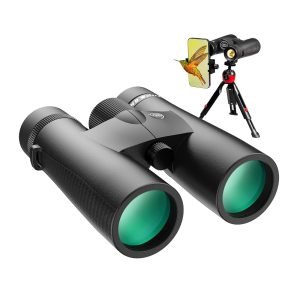
Binoculars should have a close focus distance of less than 6 feet. This helps to see small birds nearby. Look for binoculars with a high-quality lens coating. This makes colors bright and clear. Waterproof binoculars are best for all weather. Choose binoculars with adjustable eyecups for comfort.
Magnification And Lens Size
Choose 8x magnification for birdwatching. It balances detail and steadiness. Lens size should be around 32mm to 42mm. This size allows more light for clear views. High magnification can be shaky. Keep it steady for best viewing.
Weight And Comfort
Lightweight binoculars are easier to carry all day. Check the grip for comfort in small hands. Neck straps should be adjustable and soft. Binoculars should not be heavy or bulky. Lightweight designs make birdwatching fun.
Setting Up Your Binoculars
Adjust the eyecups to fit your eyes comfortably. Twist or fold them depending on your preference. This helps block extra light and improves focus.
Hold the binoculars at eye level. Turn the central focus wheel slowly until the image becomes clear. Focus on a nearby bird or object for best results.
Calibrate for close focus by bringing a small object closer. Adjust the focus until the object is sharp. This setting helps when spotting birds near you.
Techniques For Close-up Birdwatching
Birds often visit places with food and water. Check feeders, birdbaths, and trees in your backyard. Watch quietly and stay still. Birds feel safe when you don’t move fast.
- Hold binoculars with both hands to keep them steady.
- Rest your elbows on a solid surface like a fence or table.
- Stand or sit with your feet apart for good balance.
- Take slow, deep breaths to stay calm and steady.
Early morning or late afternoon offers the best natural light. The sun is low, so light is soft and warm. Avoid bright midday sun that creates harsh shadows. Face the sun to see birds clearly. Use shadows to spot bird shapes and movements.

Credit: www.travelandleisure.com
Maintaining Clear Vision
Clean lenses gently with a soft microfiber cloth. Avoid using rough materials that can scratch lenses. Use lens cleaning fluid made for optics only. Do not spray fluid directly on lenses; instead, apply it to the cloth. Keep lenses free from dust and fingerprints for clear views.
Protect binoculars by using a sturdy case when not in use. Avoid placing them on rough surfaces to prevent damage. Use lens caps to keep dirt away from lenses. Carry binoculars with a neck strap to reduce the chance of dropping.
Common Challenges And Solutions
Shaky handscan make birdwatching hard with close-focus binoculars. Try resting your elbows on a stable surface. This helps keep the binoculars steady. Holding your breath while looking can reduce shaking too. Using a tripod or monopodalso gives great support.
Fog and glareblock clear views. Keep lenses clean with a soft cloth. Use anti-fog wipes or spraysto stop lenses from fogging. Wearing a hat or sunglassescan reduce glare from the sun. Birdwatch in shaded areas to avoid bright light.
Enhancing Your Birdwatching Experience
Recording bird sightings helps you remember the birds you saw. Use a notebook or a smartphone app to write down the bird name, location, and time. This creates a personal birdwatching diary.
Sharing your sightings with friends or online groups lets others enjoy your experience. It also helps you learn from other birdwatchers’ reports. Photos or short videos are great to share too.
Joining birdwatching communities connects you with people who love birds. These groups share tips, organize walks, and discuss birds. You can ask questions and get advice from experienced birdwatchers.
- Find local birdwatching clubs or online forums.
- Attend group birdwatching events to meet others.
- Share your bird photos and stories regularly.
- Learn about new bird species from community members.

Credit: www.allaboutbirds.org
Frequently Asked Questions
What Are Close-focus Binoculars For Birdwatching?
Close-focus binoculars allow you to see birds clearly at short distances. They help observe fine details like feathers and colors. These binoculars are ideal for watching birds in dense habitats or gardens where birds are nearby.
How To Adjust Close-focus Binoculars Properly?
Start by setting the interpupillary distance to match your eyes. Focus on a nearby object using the central focus wheel. Use the diopter adjustment to sharpen the image for your dominant eye. This ensures crisp, clear views of close birds.
Can Close-focus Binoculars Improve Bird Identification?
Yes, close-focus binoculars enhance bird identification by showing detailed features. They reveal patterns, colors, and textures not visible with regular binoculars. This clarity helps distinguish similar bird species easily, improving your birdwatching experience.
Are Close-focus Binoculars Suitable For All Birdwatching Conditions?
Close-focus binoculars excel in close-range viewing but may have limitations at long distances. For wide-open spaces or distant birds, standard binoculars with longer minimum focus are better. Choose binoculars based on your typical birdwatching environment.
Conclusion
Using close-focus binoculars makes birdwatching more enjoyable and clear. You see birds up close without disturbing them. Practice adjusting your focus to catch every detail. Keep your binoculars steady for a sharp view. Remember, patience helps you spot more birds.
Enjoy the beauty and colors of nature daily. Keep exploring and learning with your binoculars. Birdwatching becomes easier and more fun with practice. Your connection with nature will grow stronger.