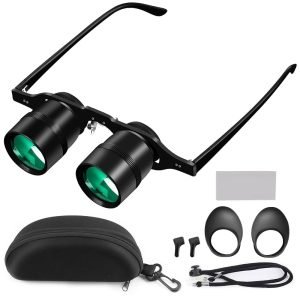
Are you tired of your binoculars fogging up or getting damaged every time you’re out fishing? Using waterproof binoculars can change the way you experience your fishing trips.
They help you spot fish, watch water conditions, and stay safe—all without worrying about water damage. In this guide, you’ll learn simple tips to get the most out of your waterproof binoculars. Keep reading to discover how these powerful tools can make your fishing trips easier and more successful.
Choosing The Right Binoculars
Waterproof ratingstell how well binoculars resist water. Look for IPX7 or IPX8ratings. These mean the binoculars can handle heavy rain or brief water submersion.
Magnificationshows how much closer things appear. A 7x or 8x magnification works well for fishing. Too high magnification can make images shaky.
Lens sizeaffects brightness. Bigger lenses (like 42mm) let in more light for clearer views in low light. But they can be heavier.
| Feature | What to Look For | Why It Matters |
|---|---|---|
| Waterproof Rating | IPX7 or IPX8 | Survives rain and splashes |
| Magnification | 7x or 8x | Clear, steady image |
| Lens Size | 40mm to 42mm | Bright, clear view |
Credit: www.boatsailmag.com
Preparing Binoculars For Fishing
Always keep your binoculars clean. Use a soft cloth to wipe them. Avoid harsh chemicals. Gentle cleaning protects lenses and seals. Clean them before and after trips. Store them safely when not in use. This prevents dust and scratches.
Protect your binoculars with a durable case. Use lens caps to shield glass. Neck straps prevent dropping. A floating strap is helpful if near water. Use covers to keep them dry. These accessories extend their life.
Focus your binoculars before fishing. Adjust the eyepiece for clear vision. Turn the center knob slowly. Check settings in bright light. Adjust for best sight. Practice makes settings easy. This helps in spotting fish.
Techniques For Effective Use
Spotting fish far away helps catch more. Use waterproof binoculars to see fish clearly. Focus on shiny or moving objects in the water. Keep your hands steady to avoid blurry views. Look for fish near rocks or plants where they hide.
Scan underwater by adjusting the binoculars slowly. Watch for changes in water color or shapes below. Clear water makes it easier to spot fish. Move your head gently to cover more area without startling fish.
Different light affects what you see. Use binoculars early morning or late afternoon for best light. Bright sunlight can cause glare, so angle binoculars slightly down. Cloudy days help reduce reflections and show fish better.

Credit: www.sportfishingmag.com
Care After Use
Dry binocularswith a soft cloth after fishing. Avoid using heat sources like hair dryers. Store in a dry place to prevent mold and rust. Keep them in a protective case to avoid scratches and dirt.
- Avoid droppingor hitting the binoculars hard.
- Do not open the binoculars; this may break waterproof seals.
- Keep lenses clean and free from sand or dirt.
Check for any scratcheson lenses or cracks in the body regularly. Test the focus and zoom to ensure smooth movement. Tighten loose screws carefully. If water gets inside, get professional repair help immediately to avoid damage.

Credit: www.amazon.com
Frequently Asked Questions
What Makes Binoculars Waterproof For Fishing?
Waterproof binoculars have sealed joints and special coatings. These features prevent water, fog, and dust from entering. They ensure clear vision in wet or humid fishing conditions. This durability helps anglers spot fish without damaging their equipment.
How Do I Clean Waterproof Binoculars After Fishing?
Use a soft cloth to wipe lenses gently. Avoid harsh chemicals; use lens cleaner or mild soap with water. Dry binoculars thoroughly before storage to prevent mold. Regular cleaning maintains clarity and extends the binoculars’ lifespan.
Can Waterproof Binoculars Be Used Underwater While Fishing?
Most waterproof binoculars resist water but are not fully submersible. Check your model’s depth rating before underwater use. For fishing, they handle splashes and rain well but avoid prolonged underwater exposure to protect optics.
What Features Improve Fishing With Waterproof Binoculars?
Look for anti-reflective lenses, good magnification (7x-10x), and wide field of view. These help spot fish and navigate water surfaces easily. Lightweight and ergonomic designs also improve comfort during long fishing trips.
Conclusion
Waterproof binoculars make fishing trips more enjoyable and safe. They help you see fish and surroundings clearly, even in wet conditions. Always keep them clean and dry after use. Choose binoculars that fit your needs and budget. Practice using them before your trip for best results.
With these tips, your fishing experience will improve a lot. Try them out and enjoy every moment on the water.