Have you ever wondered what makes your zoom binoculars so powerful and clear? What materials are behind the sharp images you see, even from far away?
Understanding what zoom binoculars are made of can help you choose the right pair for your adventures and ensure they last longer. You’ll discover the key components and materials that work together to bring distant scenes into perfect focus. Keep reading, and you’ll learn exactly what goes into these amazing optical tools and how that impacts your viewing experience.

Credit: www.amazon.com
Basic Components
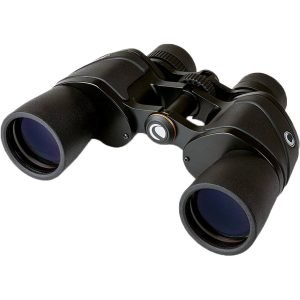
Zoom binoculars consist of lenses, prisms, and a focusing mechanism. The outer body is usually made from metal or plastic for durability. Internal parts work together to magnify distant objects clearly.
Optical Lenses
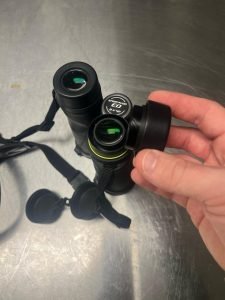
Optical lenses are very important in zoom binoculars. They help in magnifying objects far away. These lenses are made from high-quality glass. This glass is designed to be very clear. It allows users to see details better. The lenses have special coatings. These coatings reduce glare and improve clarity. They make images sharper and more vibrant.
Body Frame
The body frame of zoom binoculars is strong. It is often made from durable materials like aluminum. Aluminum is lightweight but tough. It protects internal parts from damage. Some frames have a rubber coating. This coating provides a firm grip. It helps users hold binoculars steady. The frame is designed to be comfortable to hold. It ensures easy handling during use.
Prisms
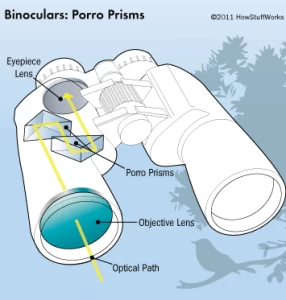
Prisms are key parts of binoculars. They help in reflecting light. This reflection creates clear images. Most binoculars use Porro or Roof prisms. Porro prisms are traditional. They offer a wider field of view. Roof prisms are compact and sleek. They make binoculars easier to carry. Prisms ensure bright and detailed images.

Credit: www.hammacher.com
Lens Materials
Zoom binoculars use lens materials like glass or plastic to focus and magnify images. High-quality glass lenses provide clear, sharp views, while plastic lenses are lighter and more affordable. Coatings on lenses reduce glare and improve light transmission for better image clarity.
Glass Types
Zoom binoculars use different types of glass lensesto improve view quality. Common ones include:
- BK-7 glass: Affordable and clear but less bright in low light.
- ED glass(Extra-low Dispersion): Reduces color blur and gives sharper images.
- HD glass(High Definition): Offers very clear and bright views.
Each type affects how sharp and clear you see objects far away.
Coating Technologies
Lens coatings protect and improve light flow through lenses. Types include:
- Coated lenses: One layer to reduce glare.
- Fully coated: All glass surfaces have one layer.
- Multi-coated: Several layers on some surfaces for better brightness.
- Fully multi-coated: Many layers on all surfaces for best light and color.
Coatings help binoculars give clear, bright, and sharp images in different lights.
Body Materials
Zoom binoculars often use lightweight materials like plastic and rubber for the body. Metal parts, such as aluminum, add strength and durability. These materials keep the binoculars sturdy yet easy to carry.
Plastic And Polymer
Plastic and polymer are common in zoom binocular bodies. They make binoculars lightweightand easy to carry. These materials also help keep costs low. Some plastics are very durableand can resist scratches and minor impacts. They are often used for budget-friendly models.
Metal Alloys
Metal alloys like aluminum and magnesium add strengthand durability. They can handle rough use and protect the binoculars inside parts. Metal bodies are usually heavierbut offer better protection. Many high-end binocularsuse metal alloys for long-lasting performance.
Rubber Armor
Rubber armor is a soft, protective layer around the binocular body. It provides shock absorptionand improves grip. This material helps binoculars stay safe from drops and bumps. It also makes binoculars comfortableto hold, even in wet conditions.
Prism Materials
Porro prismsare often used in binoculars to provide a wide field of view. They create a classic binocular shape with a zigzag path for light. This design helps in better depth perception and brighter images.
Roof prismsoffer a more compact and straight design. They are harder to make but make binoculars easier to carry and hold. Roof prisms are popular for their sleek look and durability.
| Glass Quality | Description |
|---|---|
| BK7 | Common and affordable glass with good clarity. |
| BAK-4 | Higher quality glass offering sharper images and better light transmission. |
| ED Glass | Extra-low dispersion glass that reduces color fringing for clearer views. |
Additional Features
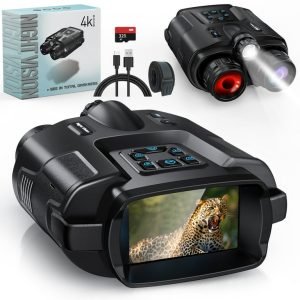
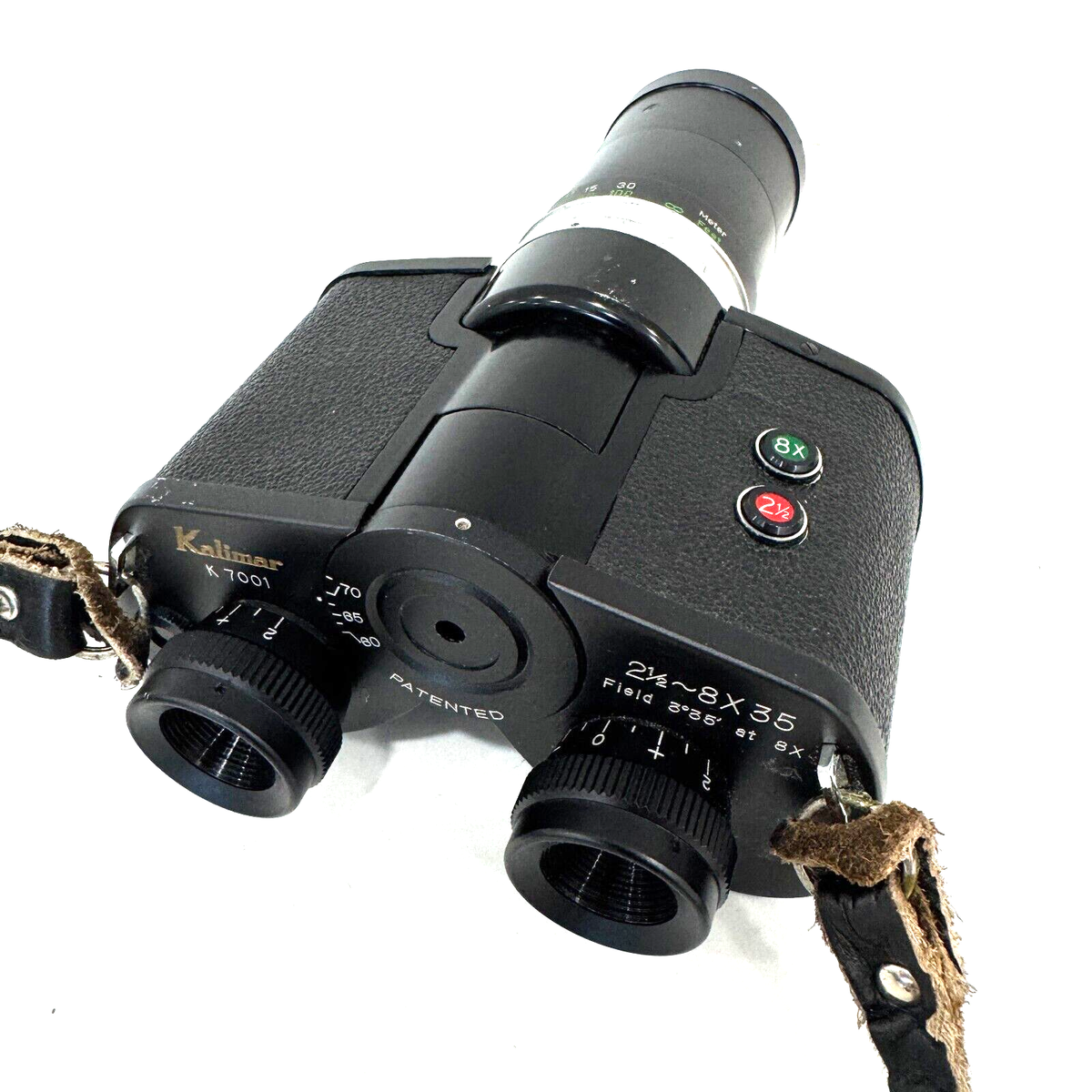
Zoom binoculars often include features like adjustable focus and waterproof casing. Some models have built-in compasses or night vision for added use. These extras improve comfort and functionality during outdoor activities.
Waterproofing Materials
Zoom binoculars often use rubber coatingsto protect against water. Seals made from silicone or rubber gasketskeep water out. The body is usually made from durable plastic or metalthat resists moisture damage.
Fog-proofing Techniques
Many binoculars have nitrogen or argon gasinside. This stops fog from forming inside the lenses. The lenses are coated with special anti-fog coatingsto keep vision clear in cold or wet weather.
Zoom Mechanism Components
- Gear systemscontrol the zoom smoothly and precisely.
- Glass lensesof different shapes help adjust zoom levels.
- Metal or plastic partshold the zoom mechanism firmly.
- High-quality binoculars use precision engineeringfor sharp zooming.
Credit: www.ebay.com
Frequently Asked Questions
What Materials Are Used In Zoom Binoculars Construction?
Zoom binoculars commonly use high-quality optical glass for lenses and prisms. The body is typically made from durable plastic, aluminum, or rubber-coated materials for a lightweight and sturdy build.
How Does Lens Material Affect Zoom Binoculars Quality?
Lens material affects image clarity and brightness. High-quality glass lenses with special coatings reduce glare and enhance light transmission, delivering sharper and clearer zoomed images.
Are Zoom Binoculars Bodies Made From Metal Or Plastic?
Most zoom binoculars have bodies made from lightweight plastic or aluminum. Plastic offers cost efficiency, while aluminum provides durability and better resistance to wear and tear.
Why Do Zoom Binoculars Have Rubber Coatings?
Rubber coatings on zoom binoculars improve grip and shock resistance. This protective layer helps prevent damage from drops and provides comfortable handling during use.
Conclusion
Zoom binoculars use strong materials like plastic, glass, and metal. These parts help you see far and clear. The lenses and prisms are made from special glass. The body often uses plastic or metal for a good grip. These materials work together for a smooth zoom experience.
Understanding what they are made of helps you choose the best pair. Durable and lightweight designs make them easy to carry. Now, you know why these materials matter in zoom binoculars.