If you own ED glass binoculars, you know how important it is to keep them in top shape. These high-quality lenses give you crystal-clear views, but only if you take good care of them.
You might wonder how to clean them safely or what steps will protect your binoculars from damage. This guide will show you simple, effective ways to maintain your ED glass binoculars, so they stay sharp and reliable every time you use them.
Keep reading to discover easy tips that will help you get the most out of your binoculars for years to come.
Cleaning The Lenses
Use a soft microfiber clothto clean the lenses. Avoid using paper towels or napkins as they can scratch. Choose a lens cleaning solutionmade for optical devices. Do not use household cleaners. These can damage the lens coating.
- Blow off loose dust with a blower.
- Dampen the microfiber cloth with cleaning solution.
- Gently wipe the lens in circular motions.
- Dry the lens with a clean part of the cloth.
Do not apply cleaning solution directlyon the lens. This can cause streaks. Avoid using too much pressurewhen wiping. This can lead to scratches. Never clean lenses with dirty or rough materials. This might damage the surface.

Credit: www.amazon.com
Protecting The Body
Using protective covers and caseshelps keep binoculars safe. Covers stop dust, dirt, and scratches. Cases protect from drops and bumps. Always keep binoculars in a soft or hard casewhen not using them. This prevents damage during travel or storage.
Handle binoculars with clean, dry hands. Avoid holding them by the lenses or eyepieces. Use the neck strapto prevent accidental drops.
- Store binoculars in a cool, dry place.
- Avoid leaving them in direct sunlight for long times.
- Keep away from moisture to prevent mold.
- Do not place heavy objects on top of binoculars.
Preventing Moisture Damage
Fogging inside binoculars happens when warm air meets cold glass. This can blur your view and damage the lenses over time. To keep your binoculars clear, store them in a dry place. Use silica gel packsor other desiccants inside the case. These absorb moisture and help prevent fog.
Waterproofing is another key step. Some binoculars come with a waterproof seal. If not, consider using a waterproof caseor a protective cover. Avoid exposing your binoculars to rain or wet conditions for long periods.
- Keep binoculars in a dry, cool place
- Use silica gel packs in storage cases
- Choose waterproof models or cases
- Wipe lenses gently with a soft cloth after use

Credit: www.alibaba.com
Regular Maintenance Checks
Check the binoculars carefullyfor any cracks or scratches. Look at the lenses and body. Small damage can get worse over time. Keep an eye on the rubber parts; they can wear out or peel. Make sure the lenses are clear and free from dust or smudges.
Use a soft cloth to clean lenses gently. Do not use strong chemicals or rough materials. Keep the binoculars dry and avoid water damage.
Lubricate the moving partsto keep them working smoothly. Use a small amount of light oil or silicone grease. Focus knobs and hinges may need lubrication. Avoid excess oil, which can attract dust. Regular lubrication helps prevent stiffness and damage.
Adjusting And Calibrating
Aligning the optics is key for clear viewing with ED glass binoculars. Start by holding the binoculars steady and checking if both lenses produce the same image. If the images seem doubled or blurry, the optics may be misaligned. Gently adjust the barrels until images merge into one sharp view.
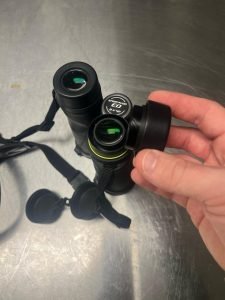
Focusing is simple but important. Use the central focus wheel to sharpen the image for both eyes. Then, adjust the diopter ring (usually on the right eyepiece) to match your eyesight difference between eyes. This ensures both eyes see clearly and comfortably.
- Keep the binoculars steady while adjusting.
- Focus with the central wheel first.
- Fine-tune the right eyepiece with the diopter.
- Check the image for sharpness and clarity.
When To Seek Professional Help
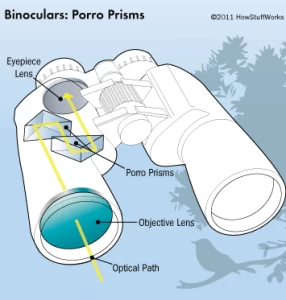
Some problems with ED glass binoculars are too hard to fix at home. Issues like fog inside lenses, broken prisms, or stuck focus need expert help. Trying to fix these can cause more damage.
Choose a repair service with good reviews and experience in binoculars. Check if they use original parts to keep your binoculars working well. Ask about their repair time and warranty for services.
- Look for certified technicians in optical repairs.
- Compare prices and services before deciding.
- Check if the service offers cleaning and adjustment.
- Ask about shipping or drop-off options.

Credit: www.alibaba.com
Frequently Asked Questions
How Often Should I Clean Ed Glass Binocular Lenses?
Clean the lenses only when necessary to avoid scratches. Use a soft brush or air blower first. Then, gently wipe with a microfiber cloth and lens cleaner designed for optical glass.
What Is The Best Way To Store Ed Glass Binoculars?
Store binoculars in a cool, dry place inside their protective case. Avoid exposure to extreme temperatures and direct sunlight. This prevents damage and prolongs their lifespan.
Can I Use Regular Lens Cleaner On Ed Glass Binoculars?
No, regular lens cleaners may harm ED glass coatings. Use cleaners specifically made for ED or optical lenses. This ensures clear vision and protects the delicate lens surface.
How Do I Protect Ed Glass Binoculars From Moisture?
Use silica gel packs inside the binocular case to absorb moisture. Wipe binoculars dry immediately if exposed to rain. Proper moisture control prevents fogging and mold growth.
Conclusion
Taking care of ED glass binoculars keeps them clear and sharp. Clean lenses gently with a soft cloth. Store binoculars in a dry, cool place to avoid damage. Check for dust or moisture regularly. Handle them with care during use and transport.
Regular maintenance helps binoculars last longer and work well. Simple habits protect your investment and improve your viewing experience. Keep these tips in mind for the best results. Your binoculars will stay ready for every adventure.