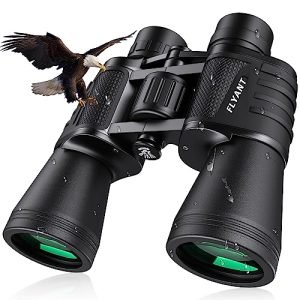
Your hunting scope is one of the most important tools in your gear. It helps you aim better and make every shot count.
But what happens if it gets scratched, foggy, or damaged? Suddenly, your accuracy drops, and your hunting experience suffers. You don’t want to face that frustration. That’s why protecting your hunting scope is essential. You’ll discover simple yet effective ways to keep your scope in top shape.
By following these tips, you’ll ensure your gear lasts longer and performs at its best when it matters most. Keep reading to learn how to protect your hunting scope from damage and get the most out of every hunt.

Credit: www.amazon.com
Choosing Durable Scopes
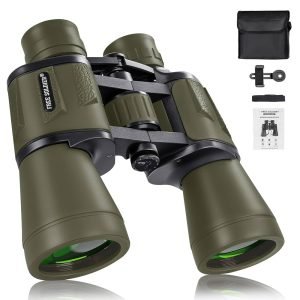
Durable scopes are made from strong materials. Aluminum and titanium are good choices. These metals can handle tough conditions. They stay strong even after falls. Plastic is less durable. It can break easily. Choosing metal scopes is wise.
Weatherproof scopes are useful in rain and snow. They keep water out. This protects the inside parts. Look for scopes with seals and coatings. These features stop moisture from entering. Scopes without weatherproofing may get damaged. Keeping them dry is essential.
Lens coatings protect against scratches. They make images clearer. Coated lenses reduce glare. This helps hunters see better. Uncoated lenses might get damaged quickly. Choose scopes with coated lenses for longer use.

Credit: www.amazon.com
Proper Handling Techniques
Carry the scope carefully to avoid damage. Use both hands for a firm grip. Keep it close to your body for balance. Sudden moves can shake or drop the scope. Move slowly and smoothly to protect the lenses and adjustments.
Always use protective caps on the lenses. These caps keep dirt, dust, and scratches away. Clean the caps regularly to avoid rubbing dirt on the glass. Store the scope in a padded case for extra safety.
Storage Solutions
Hard casesoffer solid protection from drops and bumps. They keep scopes safe during travel. Soft casesare lighter and easier to carry but less protective. Both types help prevent dust and dirt damage.
Controlling humidityis key. Use silica gel packs inside cases to absorb moisture. This stops rust and fog inside lenses. Store scopes in dry places, away from damp areas.
- Keep scopes in a dedicated drawer or shelf.
- Use foam inserts to avoid scratches and movement.
- Label storage spots for quick access.
- Clean scopes before storing to remove dirt and oils.

Credit: www.amazon.com
Cleaning And Maintenance
Use a soft, lint-free cloth for cleaning. Avoid rough materials that can scratch lenses. Gentle wiping helps keep the scope clear without damage.
Harsh chemicals can harm lens coatings. Choose water or special lens cleaner instead. This keeps the scope working well for a long time.
Check your scope often for dirt, scratches, or loose parts. Early spotting helps prevent bigger problems. Tighten screws and clean dust regularly to keep it safe.
Transporting Scopes Safely
Using padded bagshelps protect hunting scopes during transport. These bags absorb shocks and prevent scratches. Choose bags with soft liningand firm padding. Bags with adjustable straps keep scopes snug and safe.
Securing scopes in vehicles is important to avoid damage. Place scopes in a stable positionwhere they won’t slide or fall. Use foam inserts or soft cloth to cushion the scope. Avoid putting heavy items on top of the scope.
Traveling with scopes requires careful planning. Pack scopes in hard casesor padded bags. Keep cases in the car trunkor secured areas to avoid jostling. Check scopes often during long trips to ensure they stay safe.
Field Protection Tips
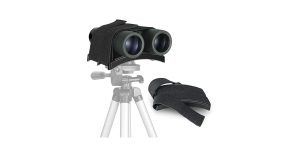
Shielding hunting scopesfrom debris and dust is key. Use a soft, tight-fitting lens cover. Keep the scope in a padded case during transport. Clean lenses gently with a microfiber cloth to avoid scratches.
Preventing water damageprotects scopes from fog and rust. Store scopes in waterproof bags when rain is expected. Avoid submerging scopes in water. Dry scopes immediately if they get wet.
| Temperature Considerations | Tips |
|---|---|
| Cold Weather | Avoid sudden temperature changes. Let scopes warm slowly to prevent fogging. |
| Hot Weather | Keep scopes out of direct sunlight. Store in shaded, cool places. |
| General | Use protective covers and cases. Regularly check for damage after trips. |
Frequently Asked Questions
How Do I Clean My Hunting Scope Safely?
Use a soft brush or microfiber cloth to remove dirt. Avoid harsh chemicals. Use lens cleaner designed for optics. Clean gently to prevent scratches and preserve lens coatings.
What Is The Best Way To Store Hunting Scopes?
Store scopes in a padded case or protective cover. Keep them in a dry, cool place. Avoid exposure to extreme temperatures and moisture to prevent damage.
How Can I Protect My Scope From Fogging?
Use anti-fog sprays or lens covers. Keep scopes dry and avoid rapid temperature changes. Proper ventilation and silica gel packs help reduce internal moisture.
Should I Use Lens Caps When Hunting?
Yes, lens caps protect lenses from dust, scratches, and impact. Always cover lenses when not in use to maintain clarity and prolong scope life.
Conclusion
Protecting your hunting scope keeps it clear and accurate. Clean the lenses gently and store the scope safely. Use lens covers to stop scratches and dust. Avoid dropping or hitting the scope during trips. Regular checks help find small problems early.
Taking simple steps saves money and improves your hunt. A well-cared scope lasts longer and works better. Stay mindful and protect your gear every time. Your hunting experience depends on clear vision and reliable tools. Keep your scope safe to enjoy every hunt fully.