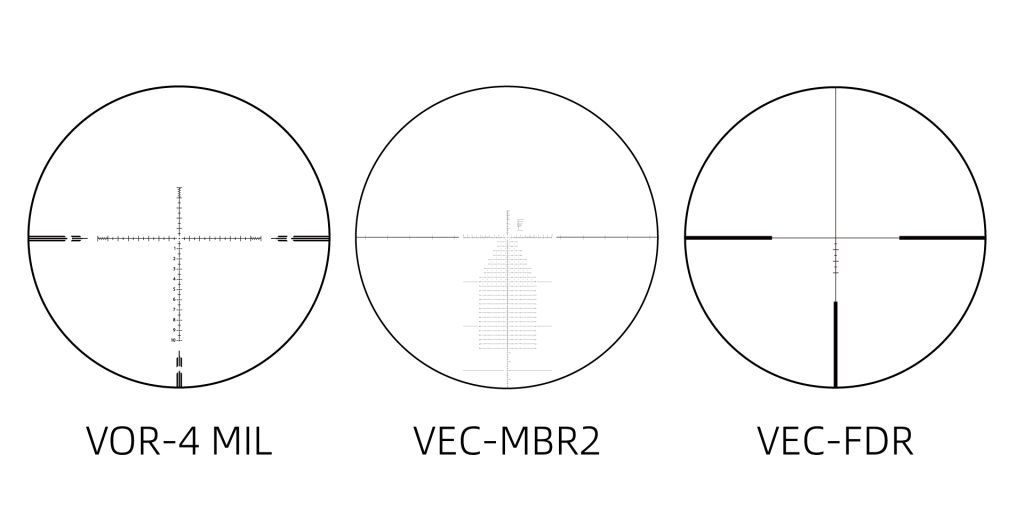
If you want to improve your shooting accuracy, understanding how to read rifle scope reticles is key. Your reticle is more than just a simple crosshair—it’s a powerful tool that helps you aim precisely, judge distance, and adjust for wind.
But if you don’t know what those lines and marks mean, you could be missing out on your full potential. You’ll discover how to quickly and easily interpret different reticle styles so you can shoot with confidence and hit your target every time.
Keep reading, and unlock the secret to smarter, sharper aiming.
Types Of Rifle Scope Reticles
Duplex Reticlehas thick outer lines and thin inner lines. It helps aim quickly and is easy to see. This reticle is popular for hunting and general shooting.
Mil-Dot Reticlehas dots spaced evenly along the crosshairs. These dots help measure distance and target size. Good for shooters who want to estimate range.
BDC Reticlestands for Bullet Drop Compensation. It has extra marks below the center dot. These marks help adjust for bullet drop at longer distances.
MOA Reticleuses small lines or dots spaced in Minutes of Angle. MOA helps shooters make precise adjustments for wind and elevation. Common in target shooting.

Credit: vector2007.com
Components Of A Reticle
Crosshairsare the main lines that form the reticle’s center. They help aim at the target precisely. Usually, crosshairs are thin and clear to avoid blocking the view.
Hash Marksare small lines along the crosshairs. They help measure distance and adjust for bullet drop or wind. These marks make shooting at different ranges easier and more accurate.
Illumination Featureslight up parts of the reticle. This helps see the reticle in low light or dark conditions. Some scopes allow you to change the brightness for better visibility.
Understanding Reticle Measurements
Miland MOAare two common units for measuring reticle adjustments. A Milequals 1/1000th of the distance to the target. It helps shooters estimate distance and adjust aim. MOAstands for Minute of Angle, roughly 1 inch at 100 yards. This unit is often used for windage and elevation settings.
Holdover pointsare marks on the reticle used to aim above or below the target. They help compensate for bullet drop at longer distances. Using these points saves time without changing scope settings.
Wind affects bullet path sideways. Windage adjustmentsshift the reticle left or right to counter wind drift. Proper windage settings improve shot accuracy in windy conditions.
Choosing The Right Reticle For Your Needs
Hunting reticlesfocus on quick target acquisition and ease of use. Simple crosshairs or duplex reticles work well for short to medium ranges. Some hunters prefer illuminated reticles for low light conditions. Bullet drop compensator (BDC) reticles help adjust for distance without extra calculations.
Long-range shootingneeds precise aiming points. Mil-dot or MOA reticles provide reference marks to estimate range and wind. These reticles help adjust shots over long distances. Shooters can measure target size or distance directly through the scope.
Tactical reticlesoffer versatility and speed. Features like range finders, wind holds, and bullet drop markers are common. These reticles support quick adjustments in dynamic situations. Thin lines and illuminated dots improve target visibility without blocking the view.
Tips For Mastering Reticle Use
Practice with dummy targets to improve your aim and get familiar with reticles. Start at close range and slowly increase distance. This helps you learn how to adjust for bullet drop and wind.
Ballistic calculators show how bullets travel over distances. They help you understand where to aim. Enter data like bullet speed, distance, and wind to get correct aiming points.
Environmental factors like wind, rain, and light affect your shot. Wind can push bullets off target. Rain may blur your view. Always check weather before shooting.
Common Mistakes And How To Avoid Them
Overcomplicating measurementsmakes aiming confusing. Keep it simple. Use the marks on the reticle to estimate distance or holdover. Don’t try to do math in your head under pressure. Practice reading the scope’s scales calmly. This helps make quick and accurate shots.
Neglecting external factorslike wind, light, and target movement can ruin your shot. Always check the weather and lighting conditions before shooting. Adjust your aim to match these changes. A stable shooting position also helps reduce errors caused by external elements.
Improper zeroing techniqueslead to inaccurate hits. Make sure to zero your scope at the right distance. Use a solid rest and take several shots to confirm zero. Adjust the turrets gently and recheck often. This ensures your scope matches your rifle perfectly.
Enhancing Accuracy With Technology
Laser rangefindershelp measure the distance to a target quickly. This data allows shooters to adjust their aim precisely. They are often paired with rifle scopes for better accuracy.
Smart scopesuse technology to show useful information inside the scope. They can display wind speed, bullet drop, and target distance. This helps shooters make better decisions fast.
| Type | Function | Benefit |
|---|---|---|
| Laser Rangefinders | Measures target distance | Improves shot precision |
| Smart Scopes | Displays real-time data | Enhances decision-making |
| Digital Reticles | Adjusts reticle digitally | Allows easy customization |
Digital reticlescan be changed with a button or app. This lets shooters switch reticle styles or brightness. It is useful in different light or weather conditions.
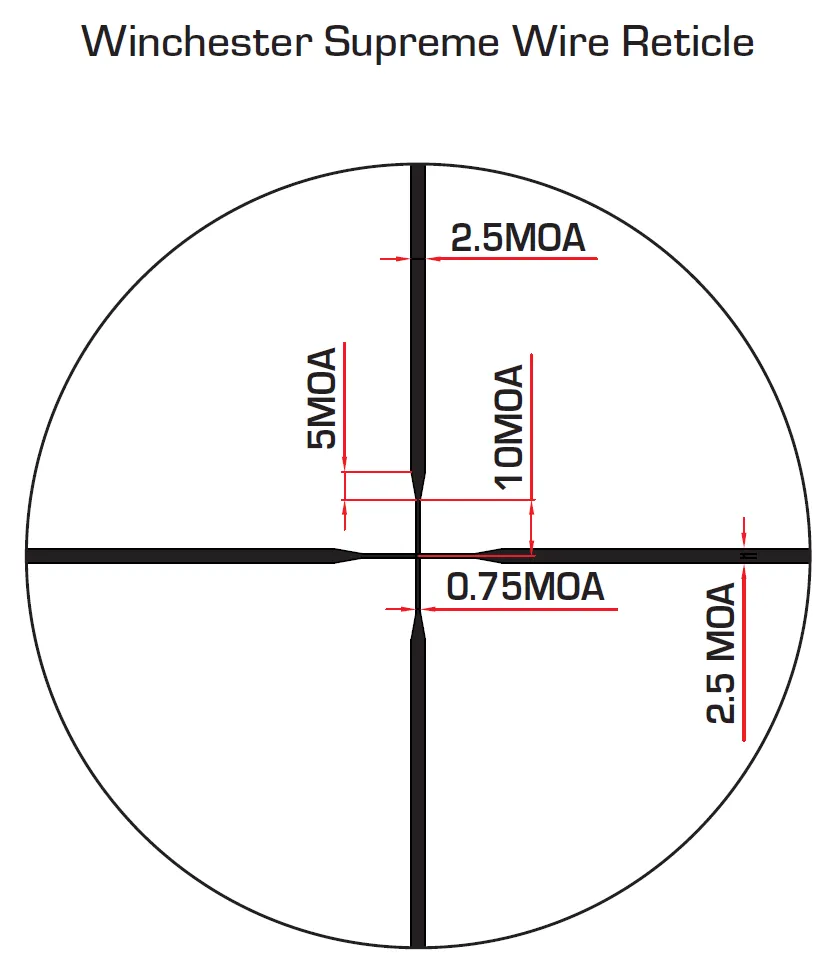
Credit: winchesteroptics.com

Credit: precisionrifleblog.com
Frequently Asked Questions
What Is A Rifle Scope Reticle?
A rifle scope reticle is the aiming point inside the scope. It helps shooters align their target accurately. Reticles come in various designs like crosshairs or dots. Understanding reticles improves shooting precision and target acquisition.
How Do You Read Rifle Scope Reticles?
To read reticles, identify the center aiming point first. Use the marks around it for windage and elevation adjustments. Some reticles have mil-dots or hash marks for measuring distance. Practice helps in interpreting reticles quickly in different shooting conditions.
Why Are Reticle Types Important In Shooting?
Different reticle types suit different shooting styles and distances. For example, duplex reticles are simple and good for general use. Mil-dot reticles aid in range estimation. Choosing the right reticle enhances accuracy and shooting efficiency.
Can Reticles Help Estimate Distance?
Yes, some reticles like mil-dot include measurement marks. These marks help estimate target distance by comparing known target size to reticle spacing. Accurate distance estimation assists in making precise shots, especially at long range.
Conclusion
Reading rifle scope reticles becomes easier with practice and patience. Focus on understanding each mark and what it shows. Use your scope regularly to build confidence and skill. Remember, clear sight means better accuracy. Keep learning and adjusting as you go.
Soon, reading reticles will feel natural and simple. Stay safe and enjoy your shooting experience.