You’ve invested in a night vision scope to see clearly when darkness falls. But how do you keep it safe while moving from place to place?
One wrong move can damage your scope, costing you time and money. Protecting your night vision scope during transport isn’t just smart—it’s essential. You’ll discover simple, effective ways to shield your equipment so it’s ready to perform whenever you need it.
Keep reading to make sure your investment stays safe and sharp.

Credit: www.usnighthawk.com
Choose The Right Case
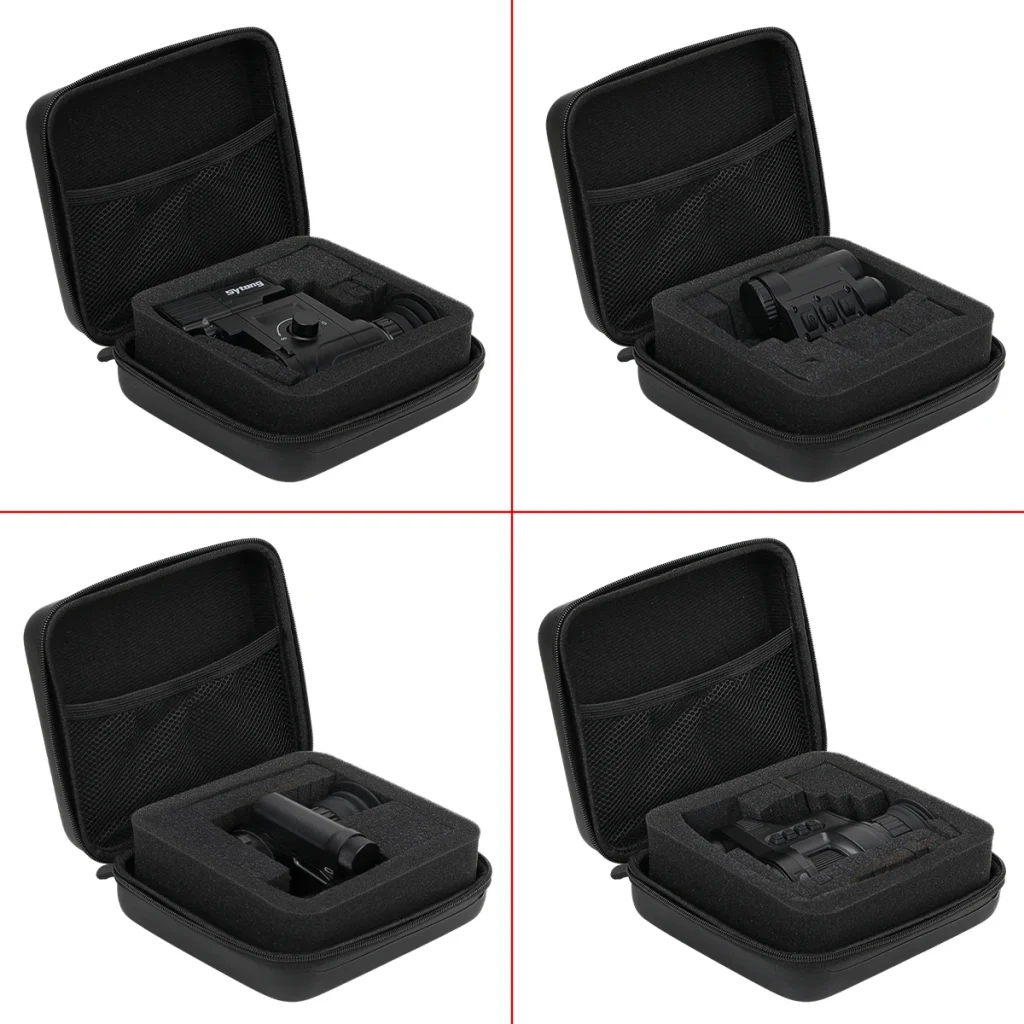
Selecting a sturdy case with padded compartments keeps night vision scopes safe from bumps and scratches. A well-fitted case prevents movement and protects delicate parts during transport.
Hard Vs Soft Cases
Hard casesoffer better protection for your scopes. They are sturdy and durable. Soft casesare lighter and easier to carry. They are less protective but more flexible. Choose based on your travel needs.
Waterproof And Shockproof Features
A good case should be waterproofand shockproof. Waterproof cases protect your scope from rain and moisture. Shockproof cases keep your scope safe from bumps and drops. Check for these features before buying.
Custom Foam Inserts
Custom foam inserts keep your scope secure. They prevent movement inside the case. Foam inserts can be cut to fit your scope perfectly. This ensures maximum protection during transport.
Prepare The Scope For Transport
Clean the lens and body using a soft, dry cloth. Avoid harsh chemicals or water to protect the lens coating. Dirt and dust can scratch the lens, so gentle cleaning is important.
Remove batteries from the scope. This prevents damage from battery leaks or corrosion during transport. Store batteries separately in a safe place.
- Use lens covers to protect from scratches and dust.
- Ensure covers fit tightly to avoid falling off.
- Check covers before packing to keep the lens safe.
Pack With Care
Protect night vision scopes by using soft clothsor bubble wrap. This cushionsthe device from shocks and scratches.
Do not stack heavy items on top of the scope. Excessive pressurecan damage the delicate lenses and electronics inside.
- Keep batteries and cables separatein small pouches.
- Store eyepieces and lens covers apart to avoid scratches.
- Use compartments in the case to prevent parts from moving.

Credit: www.amazon.com
Handle During Transport
Extreme temperaturescan damage night vision scopes. Keep them away from very hot or cold places. Sudden temperature changes can cause fog inside the lens. Store scopes in a cool, dry placeduring transport.
Moistureis harmful to night vision devices. Water can cause internal damage and rust. Use waterproof casesor seal scopes in plastic bags. Adding silica gel packetshelps keep moisture away.
- Use a padded case to protect against shocks and bumps.
- Secure the scope tightly to stop it from moving around.
- Avoid dropping or shaking the device during transport.
- Keep the scope inside a hard case to prevent damage.
Storage Tips Between Uses
Keep night vision scopes in a cool, dry placeto avoid moisture damage. Heat and humidity can harm the lenses and electronics.
Check and replace batteries often. Dead or leaking batteries can cause serious damage to your device. Remove batteries if you store the scope for a long time.
Look over the scope for any cracks or loose parts. Small damage can worsen if left unchecked. Clean lenses gently with a soft cloth to keep vision clear.
Credit: www.usnighthawk.com
Frequently Asked Questions
How Should I Pack Night Vision Scopes For Transport?
Use a padded, shockproof case specifically designed for optics. Wrap scopes in soft cloth to avoid scratches. Secure tightly to prevent movement inside the case. This protects against impacts and environmental damage during transport.
Can Temperature Affect Night Vision Scopes During Travel?
Yes, extreme temperatures can damage internal components. Avoid exposing scopes to excessive heat or cold. Use insulated cases if traveling through varying climates. Proper temperature control preserves functionality and extends device lifespan.
Is It Necessary To Remove Batteries Before Transporting?
Yes, removing batteries prevents leakage and corrosion. It also avoids accidental power-on, which can drain batteries or cause damage. Store batteries separately in a cool, dry place for safety during transit.
What Cleaning Steps Should I Follow Before Transport?
Gently clean lenses with a microfiber cloth to remove dust. Avoid harsh chemicals that can damage coatings. Ensure the device is dry and free from moisture to prevent mold or corrosion during transport.
Conclusion
Protecting night vision scopes during transport keeps them safe and reliable. Use padded cases to avoid bumps and scratches. Keep scopes dry to prevent damage from moisture. Secure scopes firmly to stop shaking or falling. Clean lenses before and after trips for clear vision.
These simple steps help your gear last longer. Taking care of your night vision scope ensures it works well every time. Safe transport means ready equipment for your next adventure. Small efforts lead to big protection.