Have you ever tried to spot a bird just as the sun begins to set or on a cloudy morning, only to struggle seeing clearly? If so, you might be wondering: can birding binoculars really help in low light conditions?
Choosing the right binoculars can make all the difference between missing a rare sighting and enjoying every detail. You’ll discover how birding binoculars perform when light is limited, what features to look for, and how to get the most out of your gear when the light fades.
Keep reading to make sure your next birdwatching experience is bright, even when the world isn’t.
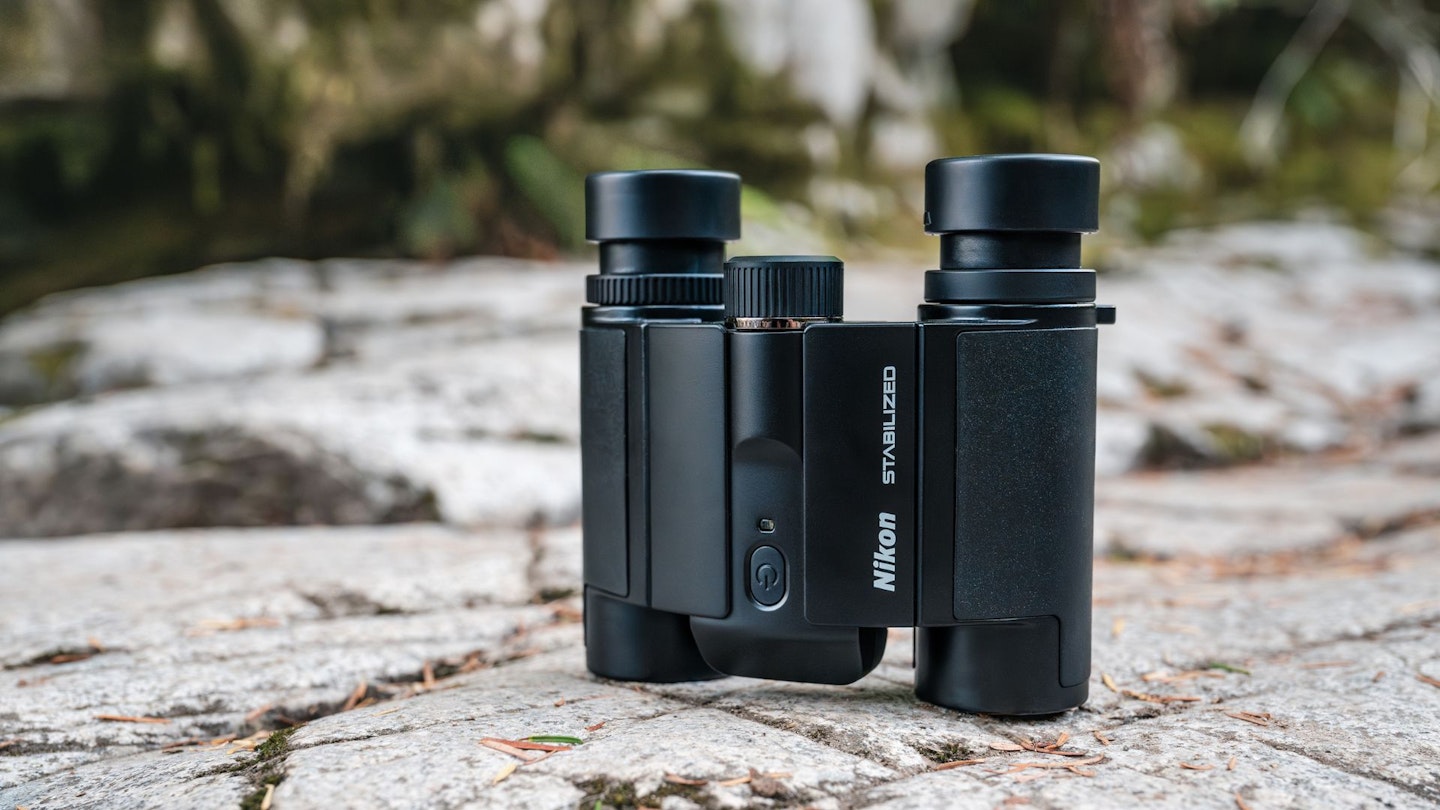
Credit: www.birdwatching.co.uk
Choosing Binoculars For Low Light
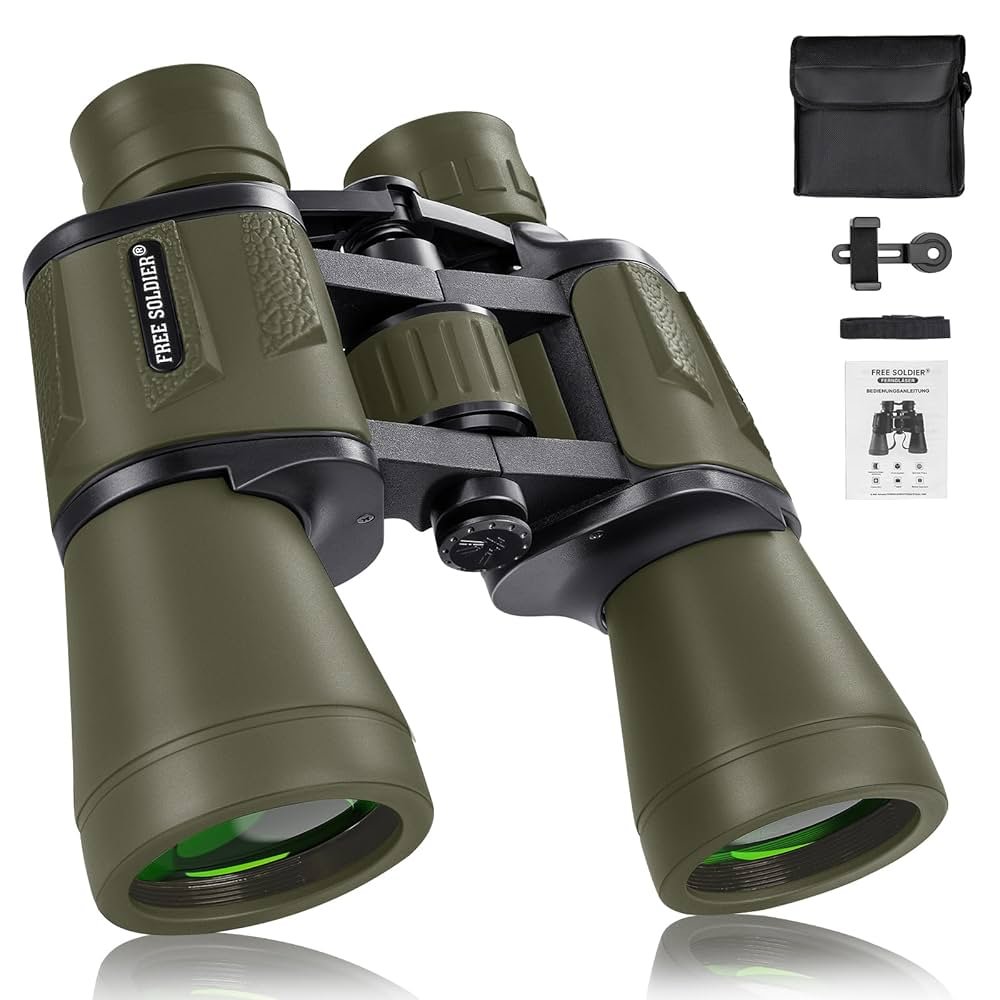
Objective lens sizegreatly affects light gathering in binoculars. Larger lenses let in more light, making images brighter in dim settings. For low light birding, lenses of 42mm or moreare common choices. They balance brightness and ease of use.
Binoculars with smaller lenses may struggle to show clear views at dawn or dusk. Bigger lenses help spot details without extra light sources. But they can be heavier and bulkier to carry.
- Lens size:Bigger means brighter image.
- Weight:Larger lenses add weight.
- Portability:Consider size for comfort.
Choosing the right lens size means finding a good balance for your birding needs.
Understanding Light Transmission
Light transmissionmeasures how much light passes through binocular lenses. Higher transmission means a brighter image. This is key for low light conditionslike dawn or dusk.
Lens coatingshelp reduce light loss. They stop light from bouncing off surfaces inside the binoculars. More coatings usually mean better brightness and clearer views.
Different coatings affect light differently:
- Single coating:One layer on lenses, basic light improvement.
- Fully multi-coated:Multiple layers on all lenses, best light transmission.
| Coating Type | Light Transmission | Image Brightness |
|---|---|---|
| Uncoated | Less than 70% | Dim and dull |
| Single Coated | 70% – 85% | Improved brightness |
| Fully Multi-Coated | Above 90% | Bright and clear |
Best Binoculars For Low Light Birding
Binoculars designed for low light birdinghave larger objective lenses. These lenses let in more light to brighten the image. A wider field of view helps spot birds quickly in dim light. Quality lenses with good coatings reduce glare and improve clarity.
Experts suggest models with 42mm to 50mmobjective lenses for early mornings or late evenings. Look for binoculars with high light transmissionand good eye relief. These features make viewing easier and more comfortable during long birding sessions.
Budget-friendly binoculars can also work well for low light. Focus on:
- Objective lens size of at least 42mm
- Multi-coated optics for clearer images
- Durable, waterproof design
- Comfortable grip for steady viewing
| Model | Objective Lens Size | Special Features | Price Range |
|---|---|---|---|
| Model A | 50mm | Fully multi-coated lenses, waterproof | High |
| Model B | 42mm | Wide field of view, durable build | Medium |
| Model C | 42mm | Multi-coated, lightweight | Budget |

Credit: www.travelandleisure.com
Tips For Birding In Low Light
Bird watching is best during dawnand dusk. These times offer soft light and active birds. Birds move more at these hours, making it easier to spot them.
Eyes need time to adjust in low light. Spend a few minutes in the dark before starting to watch. This helps your eyes see better in dim conditions.
- Use binoculars with good light-gathering ability.
- Choose places with less tree cover for better light.
- Stay still and quiet to avoid scaring birds.
- Wear dark clothes to blend into surroundings.
Maintenance For Low Light Binoculars
Cleaning birding binoculars carefully keeps them clear and bright. Use a soft brush or air blower to remove dust. A microfiber cloth works well for wiping lenses gently. Avoid using harsh chemicals or paper towels, as they can scratch lenses.
Store binoculars in a dry, cool place to protect lens coatings. Keep them in a padded case when not in use. Avoid leaving binoculars in direct sunlight or extreme temperatures. This helps prevent damage and fogging inside.
- Use lens caps to avoid dust and scratches.
- Check for moisture and dry binoculars if needed.
- Adjust eyecups gently to prevent wear.
- Regularly inspect binoculars for damage or loose parts.

Credit: www.amazon.com
Frequently Asked Questions
Can Birding Binoculars Improve Visibility In Low Light?
Yes, birding binoculars with larger objective lenses gather more light. This improves visibility during dawn, dusk, or cloudy conditions.
What Features Help Binoculars Perform In Low Light?
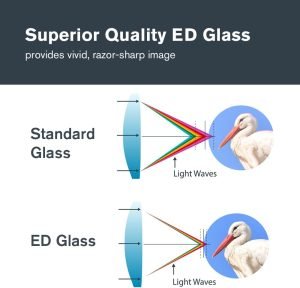
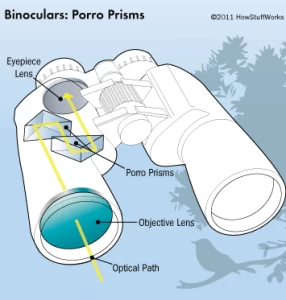
Look for wide objective lenses, high-quality prisms, and good lens coatings. These enhance brightness and clarity in low light situations.
Are Standard Birding Binoculars Suitable For Night Use?
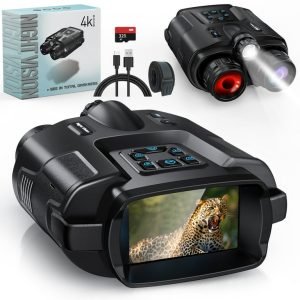
Standard birding binoculars are not ideal for complete darkness. Specialized night vision or thermal binoculars work better at night.
How Does Lens Size Affect Low Light Performance?
Larger objective lenses capture more light, making images brighter. This is crucial for clear viewing in low light conditions.
Conclusion
Birding binoculars can work in low light, but with limits. Choose models with larger lenses for better light capture. Brightness and clarity drop as light fades. Using a tripod helps keep images steady in dim conditions. Remember, no binoculars can make night as clear as day.
Still, good binoculars enhance your early morning or late evening birdwatching. Consider your needs and budget before buying. Enjoy the quiet moments observing birds, even when light is low.