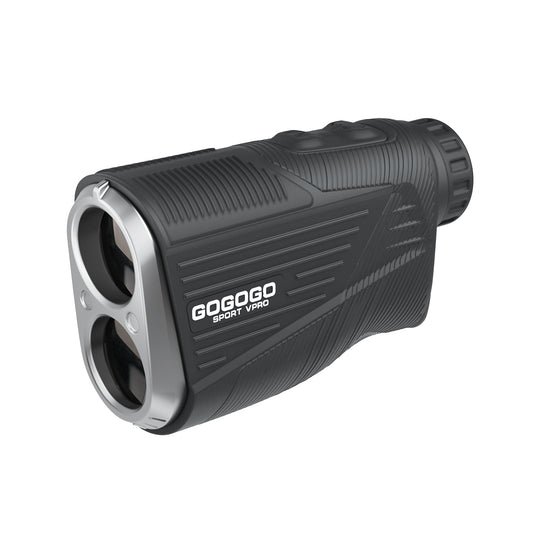
Have you ever wondered just how reliable your laser rangefinder monocular is when you need it most? Whether you’re hunting, hiking, or just exploring the outdoors, knowing the exact distance can make all the difference.
But can you trust the numbers it gives you every time? You’ll discover the truth about the accuracy of laser rangefinder monoculars. By the end, you’ll know what affects their precision and how to get the best results for your adventures.
Keep reading to make sure your next measurement is spot on.
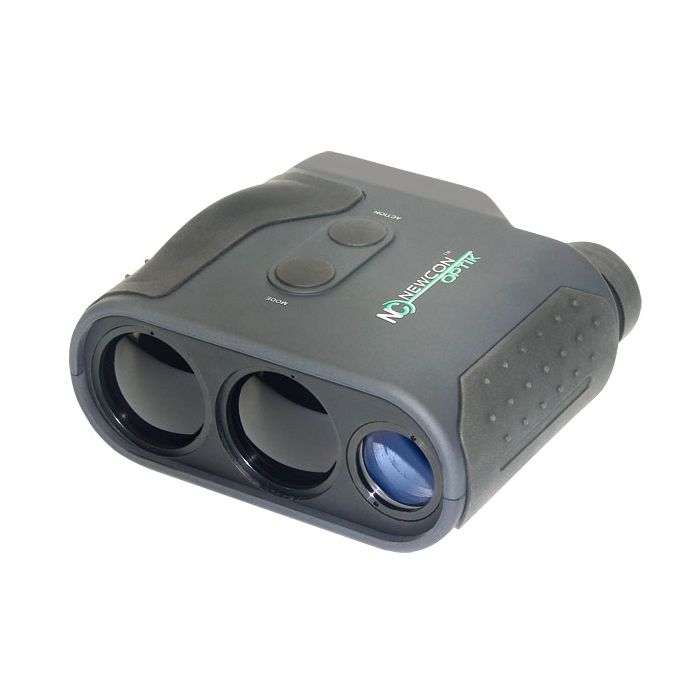
Credit: nightvisionguys.com
Laser Rangefinder Monoculars: Key Features
Compact designmakes these monoculars easy to carry. They fit in pockets or small bags. This helps users take them anywhere without hassle. Lightweight bodies reduce hand fatigue during use.
Advanced optics technologyensures clear and sharp images. High-quality lenses improve light transmission and reduce glare. This technology helps users see distant objects better and measure distances accurately.
- User-friendly interfaceoffers simple controls and quick readings.
- Buttons are easy to press, even with gloves.
- Clear digital display shows distance measurements instantly.
- Some models include adjustable settings for different environments.

Credit: www.amazon.com
Precision And Accuracy Factors
The distance measurementof laser rangefinder monoculars is usually very precise. Most devices show accuracy within a few feet or meters. This depends on the model and its technology. Shorter distances tend to be measured more accurately than very long ones.
Environmental factorscan affect readings. Fog, rain, dust, or bright sunlight may reduce accuracy. Trees and other obstacles can also cause errors by blocking the laser beam.
Regular calibrationkeeps the device accurate. Dirt or scratches on the lens can affect results. Cleaning and proper storage help maintain performance. Checking calibration often ensures reliability over time.
Comparing Brands And Models
Several top brandsoffer laser rangefinder monoculars with varying features and accuracy. Brands like Leica, Bushnell, Nikon, and Vortexare popular for their reliability and precision.
Performance can differ based on the model’s range capacity, speed, and clarity. Some models work well in low light, while others excel in bright conditions. Accuracy usually lies within a few yards, but some premium models offer tighter margins.
| Brand | Max Range | Accuracy | Price Range |
|---|---|---|---|
| Leica | 1500 yards | ±1 yard | High |
| Bushnell | 1300 yards | ±2 yards | Medium |
| Nikon | 1200 yards | ±2 yards | Medium |
| Vortex | 1100 yards | ±3 yards | Low to Medium |
Value for money depends on the user’s needs. Basic models suit casual use and cost less. Advanced models with faster readings and better optics cost more but give more precise results.
Real-world Applications
Outdoor sports and huntingbenefit greatly from laser rangefinder monoculars. They offer quick distance measurementsto targets or landmarks. This helps hunters and sports enthusiasts make better decisionsabout their shots and movements. Accuracy is usually within a few yards, which is enough for most activities.
Surveying and mappinguse these devices for measuring distancesover rough or hard-to-reach terrain. Surveyors get precise dataquickly, which improves work efficiency. The devices help create better mapsand layouts by measuring points from a single spot.
Military and tactical usesrely on laser rangefinder monoculars for target acquisitionand distance estimation. Accuracy is crucial for planning and action. These tools provide fast, reliable informationto soldiers, improving safety and mission success.
Technological Innovations
Laser rangefinder monoculars now connect easilywith smartphones and GPS devices. This integration helps users record distancesand share data instantly. It also allows quick access to maps and weather updates.
Future trends include smaller, lighter deviceswith longer battery life. Expect better screens for clear views in bright light. Some models may include voice commandsfor hands-free use.
AI and machine learningimprove accuracy by adjusting measurementsbased on weather and terrain. They help reduce errors from shaky hands or moving targets. These smart features make rangefinders more reliable and easier to use.
Customer Reviews And Feedback
Many users find laser rangefinder monocularshelpful for measuring distances. They say these devices are easy to useand quickly provide accurate readings. Some mention that accuracy can vary depending on weatherand target type. A few users notice a slight delay in readings over long distances.
Prosinclude compact size, clear display, and fast measurement. Consare occasional difficulty in fog or rain, and higher price compared to basic rangefinders.
| Pros | Cons |
|---|---|
| Compact and lightweight | Less accurate in bad weather |
| Fast and clear readings | Can struggle with reflective surfaces |
| Easy to carry | Price is higher than simple models |
Experts often praise the technologybehind these monoculars. They highlight the laser precisionand ease of use. Some experts advise checking the device’s specs for range limitsand battery life. They also recommend practicing for best results.
Tips For Optimal Use
Hold the rangefinder steadyto get the best readings. Use a tripod or rest your arm on a solid surface. Aim at a clear targetwithout obstacles like trees or glass.
Ensure the lens is cleanand free from dust or smudges. Check the battery level regularly, as low power can cause errors.
| Issue | Cause | Solution |
|---|---|---|
| Inaccurate reading | Shaky hands | Use a tripod or steady support |
| No reading | Battery low | Replace or recharge battery |
| Blurry image | Dirty lens | Clean lens gently with soft cloth |
In fog or rain, rangefinders work less well. Use closer targets for better results. Bright sunlight can cause glare; use a lens hood or shade your eyes.
- Check settings for different modes like scan or single-shot.
- Practice aiming at various distances to improve skill.
- Store the device in a dry, cool place to protect it.
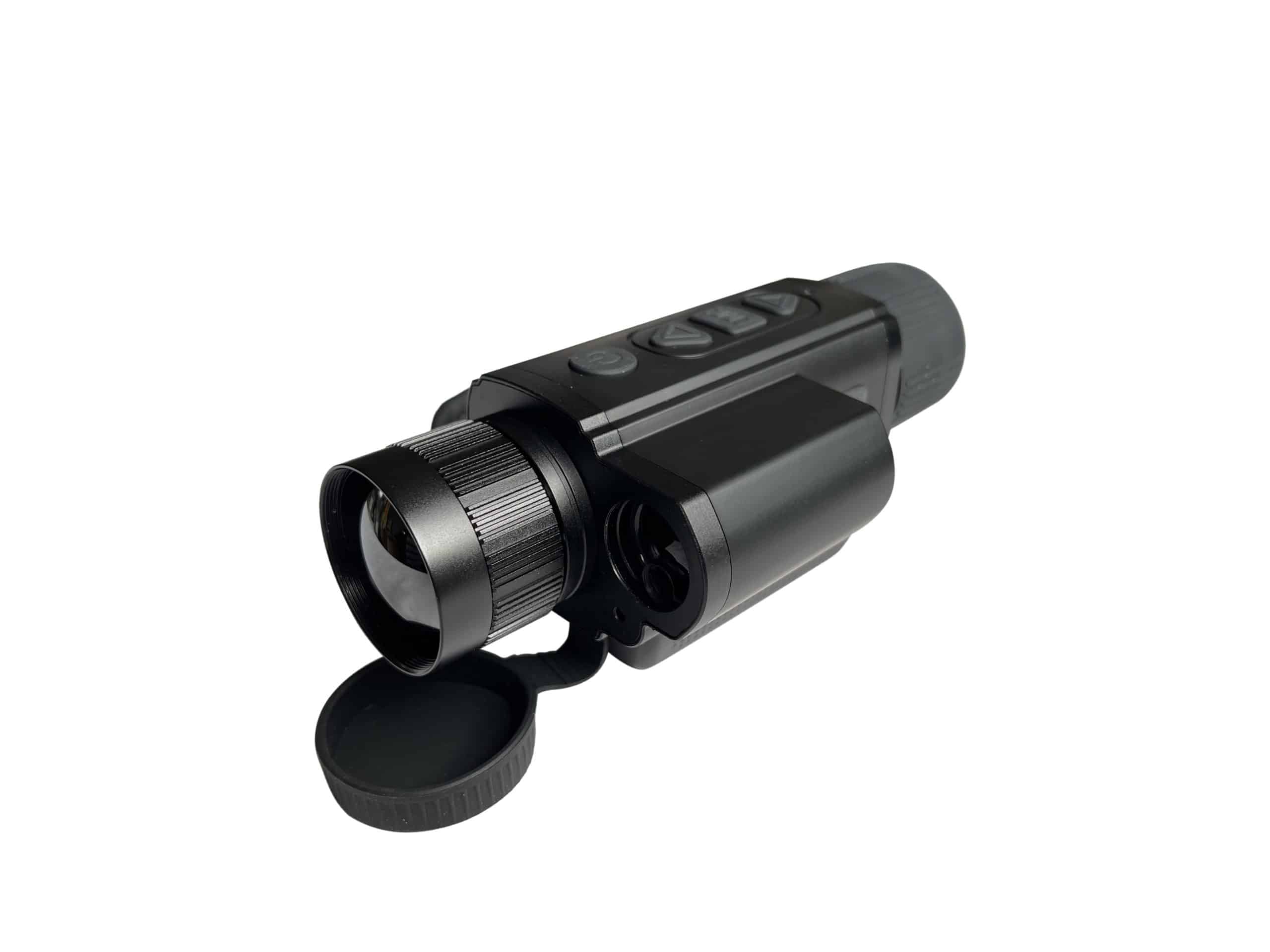
Credit: www.southernsnares.com
Frequently Asked Questions
How Accurate Are Laser Rangefinder Monoculars Generally?
Laser rangefinder monoculars typically offer accuracy within 1 to 2 yards. Their precision depends on factors like distance, target reflectivity, and environmental conditions. High-quality models maintain consistent accuracy, making them reliable for hunting, golfing, and surveying tasks.
What Affects The Accuracy Of Laser Rangefinder Monoculars?
Accuracy is influenced by weather, target size, and surface reflectivity. Fog, rain, and bright sunlight can reduce precision. Smooth, reflective surfaces yield better results than uneven or dark targets. Device quality and calibration also play critical roles.
Can Laser Rangefinder Monoculars Work Accurately Over Long Distances?
Yes, many laser rangefinder monoculars provide accurate readings up to 1,000 yards or more. However, accuracy may decrease as distance increases. Using models with advanced optics and stronger lasers improves long-range performance.
How Do Laser Rangefinder Monoculars Compare To Traditional Rangefinders?
Laser rangefinder monoculars are more compact and portable than traditional models. They offer quicker, more precise distance measurements. Additionally, they often include digital displays and additional features, enhancing usability and accuracy.
Conclusion
Laser rangefinder monoculars provide fairly accurate distance measurements. Their precision depends on factors like device quality and weather conditions. Users should check specifications before buying to match their needs. Regular calibration helps maintain accuracy over time. These devices suit outdoor activities such as hiking, hunting, and golfing.
They combine magnification with distance reading in one tool. Overall, laser rangefinder monoculars offer reliable results for most everyday uses. Small errors can happen but usually do not affect performance much. Choose a model with good reviews and features for best results.