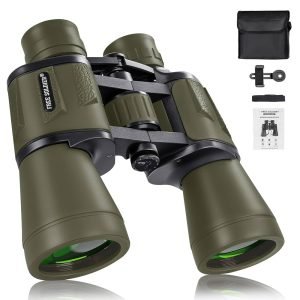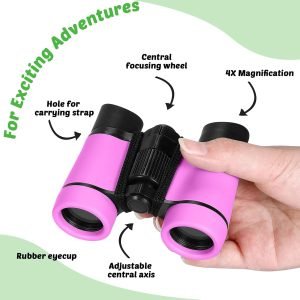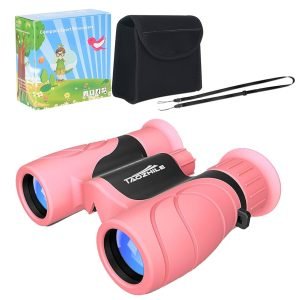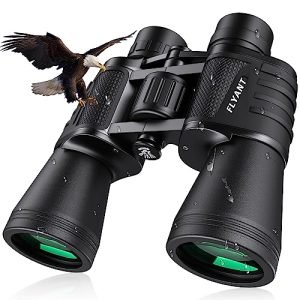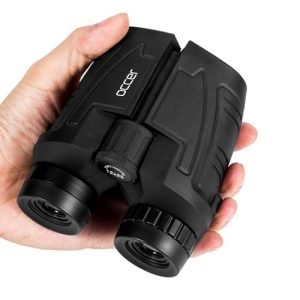
Are you tired of struggling with annoying glare every time you try to spot a bird? Glare can blur your view, hide details, and ruin your birding experience.
But what if you could enjoy clear, sharp images every time you lift your binoculars? You’ll discover simple, effective ways to avoid glare and make your birdwatching moments truly unforgettable. Keep reading, and you’ll learn how to get the most out of your birding binoculars—no more frustration, just pure enjoyment.
Choose The Right Coating
Anti-reflective coatingsreduce glare by letting more light pass through lenses. This makes the view clearer and brighter. These coatings cut down reflections on lens surfaces. They improve image quality in bright light or near water. Binoculars with good anti-reflective coatings show sharper details.
Phase correction coatingsfix light waves that get out of sync inside roof prisms. They enhance color and contrast. These coatings help reduce glare and give a more natural image. Binoculars with phase coatings show better sharpness and less haze.
| Coating Type | Benefit |
|---|---|
| Anti-Reflective Coatings | Reduces surface reflections, improves brightness |
| Phase Correction Coatings | Corrects light wave phase, enhances contrast |
Opt For Quality Lenses
ED glassstands for extra-low dispersion glass. It helps reduce color fringing and blur. This means clearer and sharper images. Bird watchers see more details and true colors. ED glass also lowers glare from bright light. This makes viewing more comfortable and less tiring.
Multi-layered lenses have several coatings on glass surfaces. These coatings cut down reflections and glare. More light passes through lenses, giving brighter views. Birders get better contrast and clearer images. These coatings also protect lenses from scratches and dirt.
Consider Lens Size
Large objective lensesallow more light to enter binoculars. This helps see birds clearly in low light. But more light can cause glare and reflections. Glare can make images look blurry or washed out. It is harder to spot small details on birds.
Smaller lenses let in less light but reduce glare. They are lighter and easier to carry. Compact lenses work well on bright sunny days. They also cause less eye strain during long birdwatching sessions.
- Large lenses: better light, more glare risk
- Small lenses: less light, less glare
- Compact lenses: easy to carry, good for bright light
Adjust Eye Relief
Adequate eye reliefis key to reducing glare in birding binoculars. Eye relief means the distance between your eye and the binocular lens.
If this distance is correct, you get a clear, full view. Too little eye relief causes dark edges or glare around the image.
Adjusting eye relief helps customize comfortduring long birdwatching sessions. This adjustment keeps unwanted light from entering your eyes.
- Adjust eye cups by twisting or folding them.
- Find the best distance where the full field of view appears without dark shadows.
- Use glasses-friendly binoculars if you wear glasses.
- Keep your eyes steady and aligned with the eyepieces.
Proper eye relief improves clarity and reduces eye strain. It makes birding more enjoyable and glare-free.
Utilize Lens Hoods
Lens hoodsblock extra light that causes glare. They help keep views clear and sharp. Using lens hoods reduces reflections from the sun or bright lights. This makes bird watching more comfortable and enjoyable.
Lens hoods also protect lenses from dust and scratches. They act like a shield during windy or dusty days. This protection keeps your binoculars in good shape for longer use.
- In bright sunlight, lens hoods cut off side light.
- On cloudy days, they help reduce glare from wet leaves or water.
- At dawn or dusk, lens hoods improve contrast by blocking stray light.
Adjust lens hoods to fit your binoculars well. This ensures the best glare reduction. Small changes in angle can improve your view a lot.
Credit: www.parksconservancy.org
Positioning And Angle Techniques
Holding binoculars at the right height helps reduce glare. Keep them steady and close to your eyes. Adjust your body to avoid direct sunlight hitting the lenses.
Changing the angle of binoculars can block sunlight. Tilt them slightly down or up until glare fades. Small moves make a big difference.
- Face away from the sun if possible.
- Use your hand or a hat to shade lenses.
- Keep the sun behind your shoulder for best view.
Maintenance And Care
Keeping binocular lenses clean is key to avoiding glare. Use a soft microfiber cloth to wipe away dust gently. Avoid rough materials that can scratch the lenses. Use lens cleaning solution made for optics for stubborn spots. Never use household cleaners or water directly on lenses.
Store binoculars in a dry, cool place to protect them. Use a padded case to prevent damage. Avoid leaving binoculars in direct sunlight or hot places. Keep lens caps on when not in use to keep dust away.

Credit: www.amazon.com
Consider Environmental Factors
Weather can cause glarethat makes birding hard. Bright sunlight often reflects off lenses. Cloudy days reduce glare and improve sight. Early morning or late afternoon light is softer and easier on the eyes.
Choosing spots with less direct light helps a lot. Trees, bushes, or hills can block harsh sun rays. Water surfaces reflect more light, so avoid standing near lakes or rivers during bright times.
- Sunny weather:Use shaded areas to lower glare.
- Cloudy weather:Best for clear bird views.
- Near water:Expect more glare, move away.
- Time of day:Early or late light is gentle.

Credit: swoptics.co.uk
Frequently Asked Questions
What Causes Glare In Birding Binoculars?
Glare occurs when bright light reflects off lens surfaces. This reflection reduces image clarity and contrast, making birdwatching difficult. Anti-reflective coatings help minimize this issue by reducing light reflection and improving overall viewing quality.
How Do Lens Coatings Reduce Glare?
Lens coatings absorb and scatter reflected light. Multi-layer coatings improve light transmission and lower glare. Quality coatings enhance image brightness and sharpness, essential for clear birdwatching in various lighting conditions.
Can Lens Hoods Help Avoid Glare?
Yes, lens hoods block stray light from entering the lenses. They prevent direct sunlight from hitting the lens surface, reducing glare and lens flare. Using a lens hood improves image contrast and protects lenses during outdoor birding.
Does Binocular Angle Affect Glare Visibility?
Yes, adjusting the binocular angle can reduce glare. Avoid pointing lenses directly into strong light sources. Slightly changing your viewing angle minimizes reflected light and improves image clarity during birdwatching.
Conclusion
Glare can ruin your birding experience. Use binoculars with good coatings to reduce glare. Adjust the angle to avoid direct sunlight. Find shaded spots for clearer views. Keep lenses clean and free from smudges. Small steps make a big difference in clarity.
Enjoy bird watching without bright reflections. Clear views help you spot birds faster. Practice these tips for better birding days.