If you love using your waterproof monocular by the sea or on salty adventures, protecting it from saltwater damage is crucial. Saltwater can quickly harm your gear, ruining the clear view you rely on.
But don’t worry—there are simple, effective steps you can take to keep your monocular safe and working perfectly. You’ll discover easy tips to shield your equipment, so your next outdoor experience stays sharp and worry-free. Keep reading to learn how to protect your investment and enjoy crystal-clear sights every time.
Credit: www.walmart.com
Choosing Saltwater Resistant Monoculars
Choosing monoculars with durable materialshelps resist saltwater damage. Look for models made with marine-grade aluminumor high-quality rubber coatings. These materials block corrosion and keep the device safe.
Check the waterproof ratingbefore buying. Ratings like IPX7or IPX8show the monocular can handle immersion in water. Higher ratings mean better protection against saltwater intrusion.
| Waterproof Rating | Protection Level | Saltwater Use Suitability |
|---|---|---|
| IPX5 | Water jets resistant | Limited, avoid full immersion |
| IPX7 | 1 meter underwater for 30 min | Good for brief saltwater exposure |
| IPX8 | More than 1 meter underwater | Best for saltwater use |
Proper Cleaning Techniques
Saltwater can harm your waterproof monocular quickly. It leaves salt residuethat may cause rust or damage. Rinsing the monocular with fresh waterhelps remove this residue. Use clean, cool water to avoid heat damage.
Gently rinse the monocular under a light stream of fresh water. Avoid using strong jets that might push salt deeper inside. After rinsing, shake off excess water carefully.
Dry the monocular with a soft cloth. Make sure no water stays in small openings. This keeps the monocular working well for a long time.
Regular Maintenance Practices
Check your monocular often for cracks, scratches, or loose parts. These signs can let saltwater get inside. Wipe it clean with a soft cloth after each use to remove salt residue.
Keep the moving parts working well by applying a small amount of lubricant. Use only lubricants made for optical gear. This helps parts move smoothly and stops rust from forming.
- Remove dust and salt before lubricating.
- Use a dry cloth to wipe off extra lubricant.
- Store the monocular in a dry place when not in use.
Credit: www.aliexpress.com
Storage Tips
Store waterproof monoculars in dry places. Moisture can cause rustand salt buildup. A room with low humidity is best. Avoid damp basements or bathrooms.
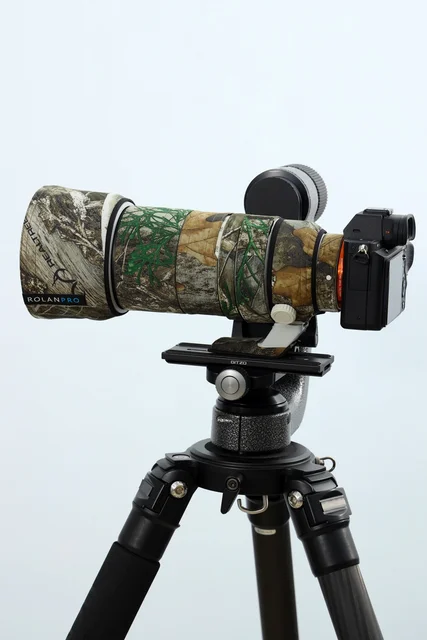
Use protective casesdesigned for outdoor gear. These cases keep dirt and salt away. They also protect from scratchesand impacts. Look for cases with water-resistant seals.
- Keep monoculars in cases after use.
- Wipe off any saltwater before storing.
- Store cases in cool, dry spots.
Preventive Measures
Using lens covershelps protect the monocular lenses from saltwater spray. These covers act as a shield against salt deposits and scratches. Always keep the lens covers on when the monocular is not in use. This simple step prevents salt buildup that can harm the glass.
Avoiding direct saltwater exposureis key. Do not place the monocular near splashing waves or wet surfaces. Saltwater can corrode metal parts and damage seals. Wipe the monocular with fresh water after any contact with saltwater. Dry it carefully with a soft cloth to keep it clean and safe.
Emergency Repair Procedures
Saltwater can cause serious damageto waterproof monoculars. Quickly rinse the device with fresh water to remove salt. Use a soft cloth to gently dry all surfaces. Avoid opening the monocular, as this may let more water in. Let it air dry in a cool, shaded placeto prevent heat damage.
Persistent problems like fogging or blurred lenses need professional care. Technicians can safely open and clean inside parts. They use special tools to check seals and fix leaks. Avoid trying to fix these issues at home; it may void warranties or cause more damage.
| Emergency Repair Actions | Details |
|---|---|
| Rinse | Use fresh water to wash off salt immediately. |
| Dry | Pat dry with a soft cloth, then air dry in shade. |
| Do Not Open | Opening may let more water inside and worsen damage. |
| Seek Help | Take to a professional for cleaning and seal checks. |
Credit: agxconnector.com
Frequently Asked Questions
How Can I Clean Saltwater Off Waterproof Monoculars?
Rinse your monocular with fresh water immediately after saltwater exposure. Use a soft cloth to gently wipe it dry. Avoid harsh chemicals to prevent damage to coatings and seals.
What Materials Protect Monoculars From Saltwater Corrosion?
Look for monoculars made with corrosion-resistant materials like aluminum or rubberized coatings. These materials help prevent rust and damage from saltwater exposure over time.
Is It Safe To Use Waterproof Monoculars In Saltwater?
Yes, waterproof monoculars are designed to resist water intrusion. However, prolonged saltwater exposure can still cause damage if not properly cleaned and maintained afterward.
How Often Should I Maintain My Waterproof Monocular?
Clean and inspect your monocular after every saltwater use. Regular maintenance ensures seals remain intact and prevents salt buildup, extending the device’s lifespan.
Conclusion
Protecting your waterproof monocular from saltwater is essential. Rinse it with fresh water after use. Dry it well to stop rust and damage. Store it in a cool, dry place. Check seals and clean lenses regularly. Small steps keep your gear safe and working.
Enjoy clear views without worry. Simple care extends your monocular’s life. Keep it ready for every adventure.