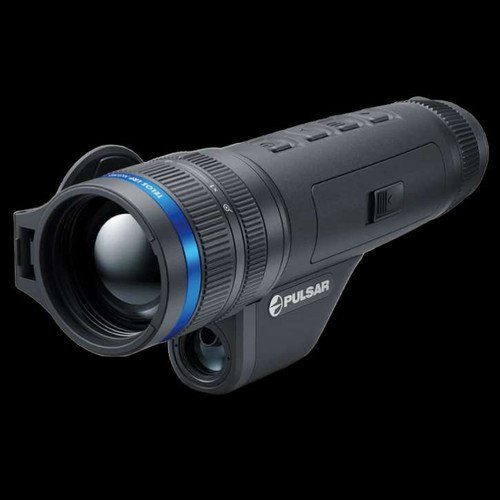
You rely on your rangefinder monoculars to get clear, precise views when you’re out in nature. But have you ever worried about how easily they could get scratched, wet, or damaged during your outdoor adventures?
Protecting your gear isn’t just about keeping it looking good—it’s about making sure it works perfectly every time you need it. You’ll discover simple, practical tips that help you keep your rangefinder monoculars safe and ready, no matter where you take them.
Keep reading to learn how to extend the life of your equipment and enjoy your outdoor experiences without worry.
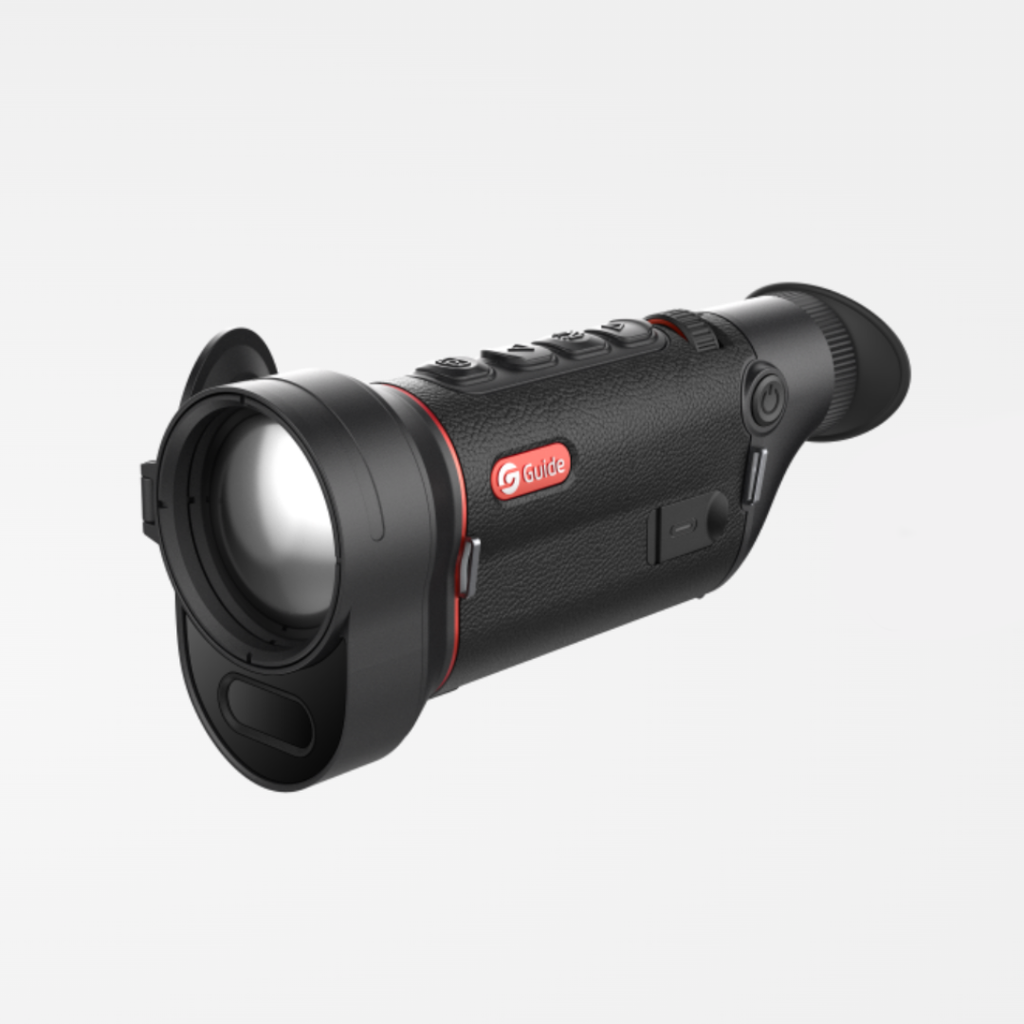
Credit: www.gothermal.co.za
Choosing Durable Materials
Choosing weather-resistant designshelps protect rangefinder monoculars from rain, dust, and moisture. Such designs keep the device safe during outdoor activities. Look for models with sealed lenses and rubber coatings. These features prevent water and dirt from entering the device.
Impact-resistant featuresare important for durability. Shock-absorbing materials like rubber or silicone protect the monocular from drops and bumps. A sturdy frame reduces the chance of damage from accidental falls. Protecting your monocular with these features ensures it lasts longer in rough conditions.
Proper Storage Techniques
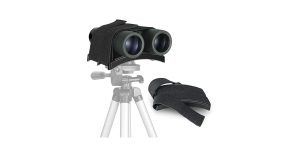
Using a protective caseis the best way to keep your rangefinder monocular safe. Cases prevent dust, moisture, and scratches. Choose a case with soft paddinginside to avoid damage from drops or bumps.
Store the monocular in a dry, cool placeaway from direct sunlight. Heat and moisture can harm the lenses and electronics. Avoid places with large temperature changes to stop fogging inside the lenses.
| Ideal Storage Conditions | Why It Matters |
|---|---|
| Dry environment | Prevents mold and rust |
| Cool temperature | Protects lens coatings |
| Low humidity | Stops internal fogging |
| Soft, padded case | Guards against drops and scratches |
Cleaning And Maintenance
Keep the lenses clean using a soft microfiber cloth. Gently wipe in circles to avoid scratches. Use a small brush or air blower to remove dust and dirt before wiping. Avoid using tissues or rough fabrics that can damage the lens surface.
Store the monocular in a dry, soft case to protect it from dust and moisture. Check for any moisture or dirt after each use. Clean the body with a slightly damp cloth and dry it well. Do not use harsh chemicals or solvents on the lenses or body.
| Maintenance Supplies | Purpose |
|---|---|
| Microfiber Cloth | Safe lens cleaning without scratches |
| Air Blower | Remove dust from lenses and crevices |
| Soft Brush | Clear dirt from small parts |
| Lens Cleaning Solution | Remove smudges and fingerprints |
| Protective Case | Prevent damage during transport and storage |
Handling With Care
Handle rangefinder monoculars gentlyto avoid damage. They are sensitive devices and can break easily.
Avoid dropping or hittingthem against hard surfaces. Even small impacts can harm their lenses and internal parts.
- Use a padded case for extra protection.
- Keep a secure grip to prevent slips.
- Hold the monocular close to your body while walking.
- Do not place it in your pocket without protection.
Safe carrying helps prevent accidentsand keeps your device working well for longer.
Weather Considerations
Moisturecan damage rangefinder monoculars quickly. Use a waterproof caseto keep them dry during rain or fog. Wipe lenses gently with a soft, dry cloth after use. Avoid storing monoculars in damp places to prevent mold or corrosion.
Extreme temperatures affect the device’s performance. Cold weather can cause the lenses to fog or freeze. Keep monoculars close to your body to stay warm. In hot weather, avoid leaving them in direct sunlight for long periods to prevent damage to internal parts.

Credit: huntthenight.com.au
Security Measures
Keep rangefinder monoculars close and never leave them unattended. Use a strong strap or case to carry them safely. Carrying them in a hidden bag lowers the chance of theft. Choose places with good light and people around. Avoid using them in crowded or dark areas.
Tracking devices help find lost or stolen gear quickly. Attach small GPS trackers to your monoculars. These trackers send location signals to your phone or computer. Some trackers have alarms that sound if the monocular moves too far away. This lets you act fast and recover your gear.
Battery And Power Management
Saving battery life is key for long outdoor trips with rangefinder monoculars. Turn off the device when not in use. Reduce screen brightness to save power. Use power-saving modes if available. Avoid using the laser rangefinder too often, as it drains the battery quickly.
Having backup power options helps avoid device shutdowns. Carry extra batteries suited for your device. Rechargeable battery packs are a good choice for longer use. Portable power banks can charge your device on the go. Always keep spare batteries in a dry, safe place to protect them.

Credit: darknightoutdoors.com
Frequently Asked Questions
How Do I Clean My Rangefinder Monocular Safely?
Use a soft microfiber cloth to clean the lens gently. Avoid harsh chemicals or rough materials that can scratch lenses. Use lens cleaning solution designed for optics if needed. Always clean in a circular motion to prevent damage and maintain clear vision.
What Is The Best Way To Store Rangefinder Monoculars?
Store your rangefinder monocular in a padded, waterproof case. Keep it in a dry, cool place away from direct sunlight. Avoid storing in extreme temperatures or humid areas. Proper storage prevents moisture buildup and physical damage during outdoor activities.
How Can I Protect Rangefinder Monoculars From Rain And Moisture?
Use waterproof covers or cases to shield your monocular from rain. Wipe off any moisture immediately with a dry cloth. Consider using silica gel packs in storage cases to absorb humidity. Regular maintenance helps prevent fogging and internal damage.
Should I Use A Strap For My Rangefinder Monocular Outdoors?
Yes, using a strap prevents accidental drops and damage. It keeps the monocular secure and accessible during outdoor use. Choose an adjustable, comfortable strap for convenience. Straps enhance safety and ease of carrying your device.
Conclusion
Protecting your rangefinder monoculars keeps them working well outdoors. Use a sturdy case to avoid scratches and dirt. Clean lenses gently with a soft cloth after each use. Avoid dropping or exposing them to water for long. Store them in a dry place when not in use.
Small steps like these help your gear last longer. Enjoy clear, sharp views on every adventure. Taking care of your monoculars means better performance every time. Simple habits make a big difference in protection. Keep your equipment safe and ready for your next trip.