Are you ready to see birds like never before? Choosing the right binoculars for birdwatching can make all the difference in your experience.
But with so many options out there, how do you pick the perfect pair? This guide will help you understand what matters most—so you can focus on the beauty of every feather and every call. Keep reading, and you’ll discover simple tips that make your birdwatching clearer, easier, and more exciting than ever.
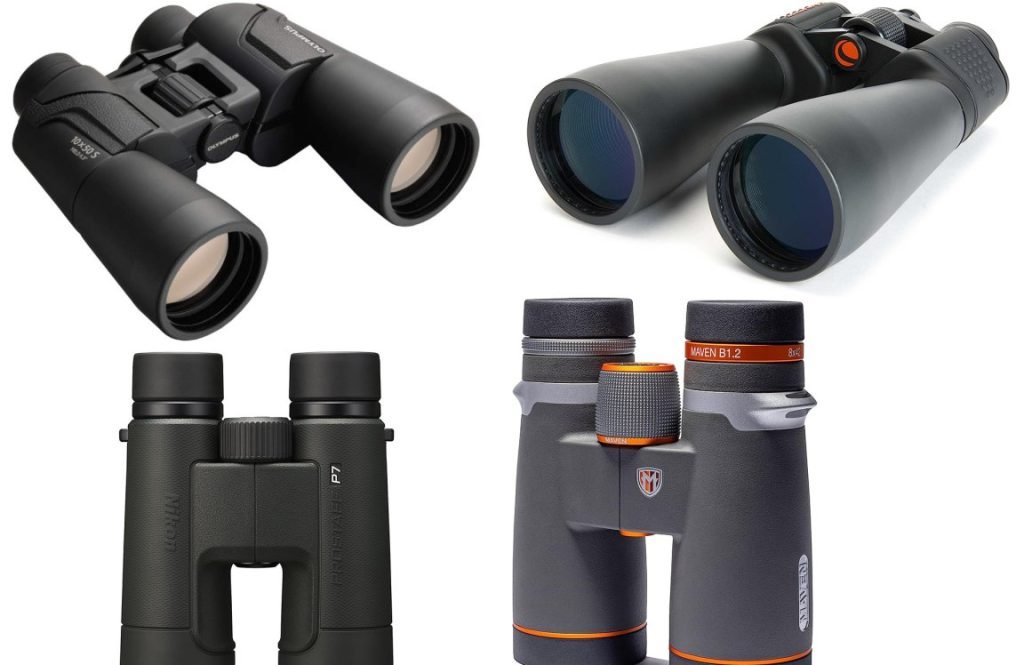
Credit: www.popsci.com
Types Of Binoculars
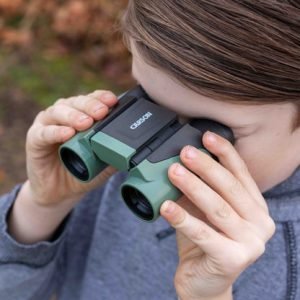
Compact binocularsare small and light. They are easy to carry on hikes. These binoculars work well for quick bird spotting. But, they have a smaller lens. This means less light enters, making images less bright.
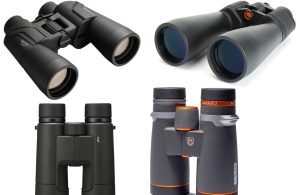
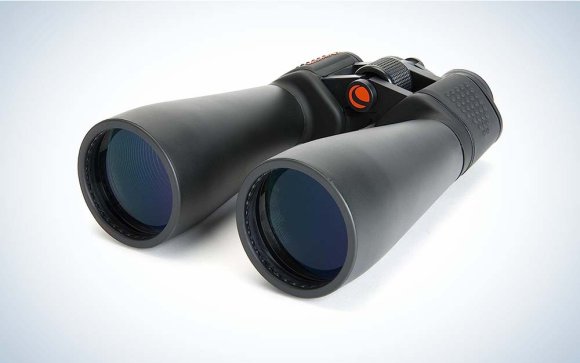
Full-size binocularsare bigger and heavier. They have larger lenses that let in more light. This makes the image brighter and clearer. Full-size binoculars are better in low light or dense forests. They might feel heavy after long use.
| Type | Description | Pros | Cons |
|---|---|---|---|
| Porro Prism | Classic design with angled lenses. | Better depth and 3D image. | Usually bulkier and less compact. |
| Roof Prism | Sleek, straight design with aligned lenses. | Compact and easy to carry. | Usually more expensive and complex. |
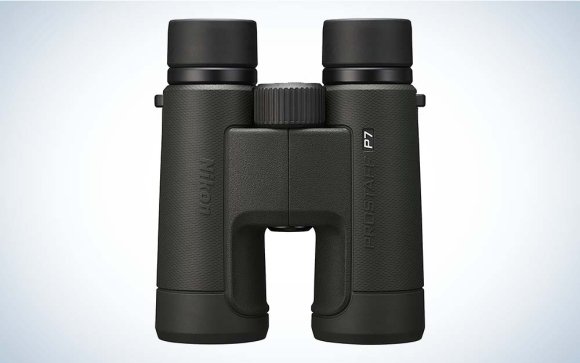
Credit: www.popsci.com
Key Features To Consider
Magnificationshows how close birds appear. Higher magnification means bigger images but less steady views. The objective lenssize affects light. Larger lenses give brighter, clearer images but can be heavier.
Field of viewis the width of the scene seen through binoculars. A wide field helps follow fast birds easily. It is shown in feet at 1000 yards or meters at 1000 meters.
Close focus distancetells how near you can see clearly. Small distances are good for watching nearby birds or insects.
Eye reliefis space from lens to your eye for clear view. Longer eye relief helps people with glasses see well.
Lens Quality And Coatings
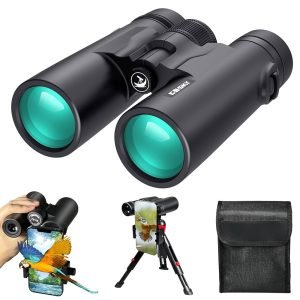
Multi-coated lenseshelp binoculars show clearer and brighter images. They reduce glare and reflections on the glass. This means more light passes through the lenses, making colors look better. Birdwatchers can see more details in dim light or at sunset.
ED glassstands for Extra-low Dispersion glass. It helps stop color blurring around bird edges. This glass gives sharper and clearer views. ED glass is great for birdwatching because it shows true colors and fine details.
| Feature | Benefit |
|---|---|
| Multi-Coated Lenses | Brighter images, less glare, better color |
| ED Glass | Sharper images, reduced color blur, true colors |
Durability And Weather Resistance
Waterproofbinoculars keep water out during rain or wet conditions. This feature protects the lenses and internal parts from damage. Fogproofbinoculars use special gas inside to stop fog from forming on the lenses. This helps keep your view clear in cold or humid weather.
Rubber armoringcovers the binoculars with a tough, soft layer. It protects against bumps and drops. The rubber also gives a good grip, so the binoculars won’t slip from your hands. This makes them easier to hold and carry in all weather.
Comfort And Ergonomics
Choosing binoculars with the right weight and balanceis key for comfort. Heavy binoculars can tire your hands quickly. Light models are easier to hold for longer times but may have less power.
Balancemeans how the binoculars feel in your hands. They should not feel front-heavy or awkward. Well-balanced binoculars make it easier to keep steady while watching birds.
- Gripmatters for secure holding. Look for rubber-coated surfaces to prevent slipping.
- Check if the binoculars fit comfortably in your hands. Big or small hands need different sizes.
- Ergonomic design helps reduce strain during long birdwatching trips.
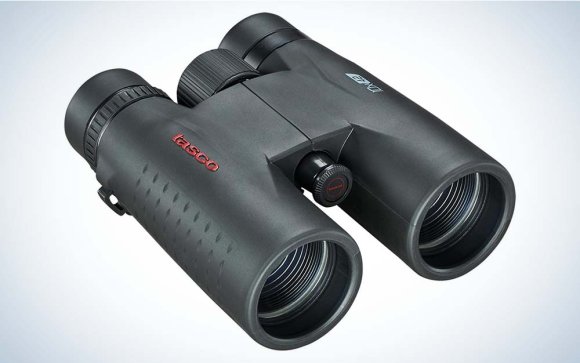
Credit: www.popsci.com
Budget Considerations
Choosing binoculars depends a lot on budget. High-end models offer better lensesand durability. They often have clearer imagesand waterproof features. These are great for serious birdwatchers who want long-term use.
Affordable options suit beginners or casual users. They may have lower image qualitybut still work fine for spotting birds. These binoculars are lighterand easier to carry.
| Feature | High-End | Affordable |
|---|---|---|
| Image Quality | Clearer, sharper | Good, but less sharp |
| Durability | Waterproof, tough | Less durable |
| Weight | Heavier | Lighter |
| Price | Expensive | Budget-friendly |
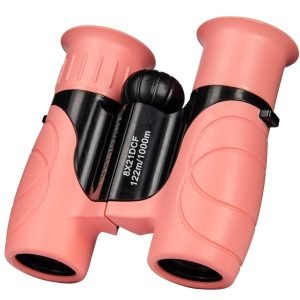
Value for moneymeans finding binoculars that fit your needs and last long. Spending a little more can save money later by avoiding replacements. But, a cheap pair is good for short-term use or kids.
Brand Recommendations
Trusted brandsoften provide reliable and clear binoculars for birdwatching. Brands like Nikon, Vortex, and Celestronhave good reputations. These brands offer different models for beginners and experts alike. They focus on durability, sharp images, and ease of use. Many birdwatchers trust their products for long trips outdoors.
Customer reviewshelp to understand how well binoculars work in real life. Look for comments about comfort, image clarity, and weight. Users often share how the binoculars performed in different weather. Reviews can also warn about common problems. Checking many reviews gives a better idea before buying.
Frequently Asked Questions
What Magnification Is Best For Birdwatching Binoculars?
For birdwatching, 8x to 10x magnification is ideal. It offers a clear, steady view without much shake. Higher magnification makes the image unstable and harder to follow moving birds.
How Important Is The Objective Lens Size?
Objective lens size affects brightness and clarity. A 32mm to 42mm lens balances light capture and portability. Larger lenses provide brighter images but can be heavier and bulkier.
Should I Choose Waterproof Binoculars For Birdwatching?
Yes, waterproof binoculars are recommended. They protect against rain, humidity, and fog. This durability ensures clear vision in all weather conditions, essential for outdoor birdwatching.
What Is The Best Prism Type For Birdwatching?
Roof prisms are compact and lightweight, perfect for birdwatching. Porro prisms offer better depth perception but are bulkier. Choose based on your preference for size and image quality.
Conclusion
Choosing the right binoculars makes birdwatching more fun and clear. Think about size, weight, and lens quality first. Comfort matters for long trips. Check the magnification and field of view carefully. Remember, good binoculars fit your needs and budget. Take your time to try different models.
Enjoy watching birds with sharp, bright views. Happy birdwatching!