Are you ready to see nature like never before? Roof prism binoculars can bring distant birds, wildlife, and landscapes right to your eyes with sharp clarity.
But to get the most out of your binoculars, you need to know how to use them properly. In this guide, you’ll discover simple tips and tricks that make your nature observation clearer, easier, and more enjoyable. By the end, you’ll feel confident spotting even the tiniest details in the great outdoors.
Keep reading—your next amazing view is just a few steps away!
Credit: carmarthencameras.com
Choosing The Right Binoculars
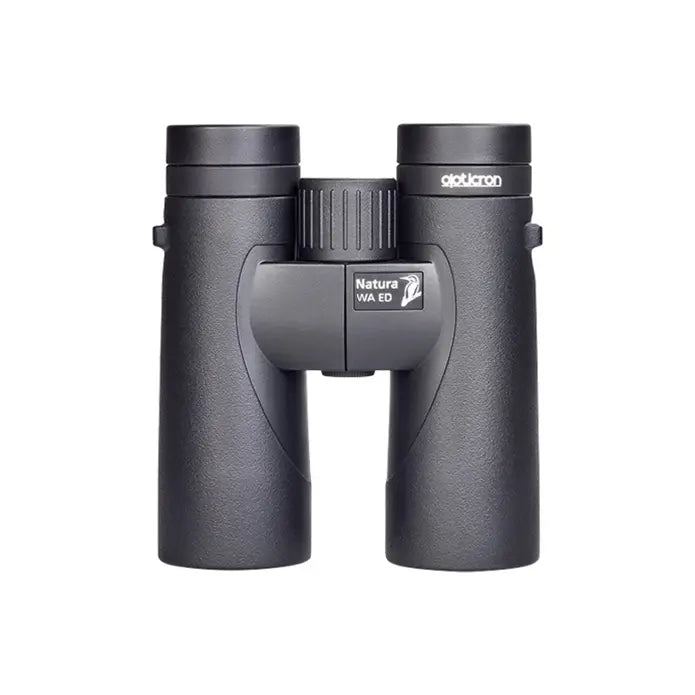
Roof prism binocularsuse a straight design that makes them compact and easy to hold. They have prisms inside that flip the image right side up. This helps to see clear and sharp views of nature.
Magnification is how many times closer objects appear. A good choice is usually 8x or 10x. This gives a balance between detail and stable viewing without too much shake.
The objective lens size affects how much light comes in. Larger lenses, like 42mm or 50mm, help see better in low light, such as dawn or dusk.
| Feature | Good Choice | Why |
|---|---|---|
| Magnification | 8x – 10x | Clear view, easy to hold steady |
| Objective Lens Size | 42mm – 50mm | More light for better viewing in dark |
| Design | Roof prism | Compact and sharp image |

Credit: www.amazon.in
Setting Up Your Binoculars
Adjust the eye cupsby twisting or folding them. This helps people who wear glasses see clearly. If you wear glasses, keep the eye cups folded. If not, extend them fully. This keeps the right distance between your eyes and lenses.
To set the diopter, close your right eye and look through the left lens. Focus on a clear object. Then close your left eye and look through the right lens. Turn the diopter ring until the image is sharp. This matches the focus for each eye.
- Twist or fold eye cups for comfort.
- Keep eye cups folded if you wear glasses.
- Close right eye, focus left lens on an object.
- Close left eye, adjust diopter on right lens.
- Ensure both eyes see a clear image.
Mastering Focus Techniques
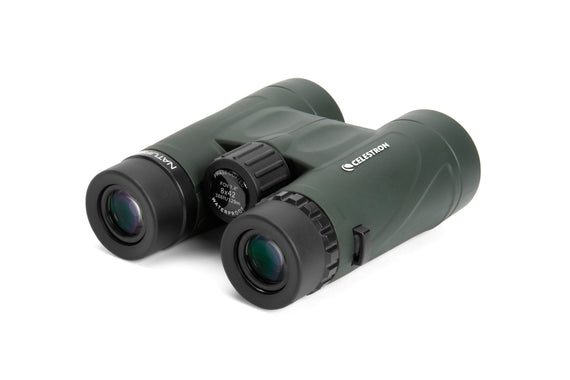
The central focus wheelhelps adjust both barrels at once. Turn it slowly until the image looks clear. This is the main tool to get sharp views of birds or animals. Try to keep your hands steady while focusing.
The diopter adjustmentfine-tunes the focus for one eye. Usually, it is on the right eyepiece. First, close the eye on that side. Use the central focus wheel to focus with the other eye. Then, open the right eye and turn the diopter until the view is sharp. This helps if your eyes see differently.
- Start with central focus wheel for general clarity.
- Use diopter adjustment for perfect sharpness in one eye.
- Practice makes focusing quicker and easier.
Credit: www.celestron.com
Enhancing Observation Skills
Using roof prism binocularshelps you see animals clearly in many places. Their compact design makes them easy to carry in forests, fields, or near water.
To spot wildlife, hold the binoculars steady and scan slowly. Watch for movement or shapes that stand out. Animals may hide behind leaves or rocks.
Tracking movement and behavior needs patience and focus. Follow animals quietly to see how they act. Notice how they move, eat, or rest.
- Keep binoculars close to your eyes to avoid shaking.
- Use both eyes to get a clear and wide view.
- Practice focusing on different distances quickly.
- Stay still to avoid scaring animals away.
Maintaining Your Binoculars
Keep your binoculars clean to ensure clear views. Use a soft brush or cloth to remove dust and dirt gently. Avoid touching the lenses with fingers to prevent smudges. Use lens cleaning fluid and a microfiber cloth for stubborn spots. Store binoculars in a dry, cool place to avoid moisture damage. Use the protective case to keep them safe from scratches and impacts.
Regular checks help maintain performance. Check for loose screws or parts and tighten them carefully. Avoid exposing binoculars to extreme heat or cold. Keep them away from water unless they are waterproof. Clean lenses only when needed to avoid wear. Dry binoculars completely before storing to prevent mold.
Safety And Comfort Considerations
Using straps and harnesses helps keep the binoculars secure and easy to carry. They prevent dropping and reduce hand fatigue during long observations. Choose straps that are padded and adjustable for better comfort. Wearing a harness distributes the weight evenly across your shoulders and back.
Avoiding eye strain is important for clear and comfortable viewing. Adjust the binoculars’ eyecups to fit your eyes well. Take breaks every 15-20 minutes to rest your eyes. Use the focus wheel gently to avoid sudden changes that can cause discomfort. Keep both eyes open to reduce strain and improve depth perception.
Frequently Asked Questions
What Are Roof Prism Binoculars Used For In Nature?
Roof prism binoculars provide clear, sharp images ideal for birdwatching and wildlife observation. Their compact design suits outdoor activities well.
How Do I Focus Roof Prism Binoculars Correctly?
Adjust the central focus wheel until the image is sharp. Use the diopter ring to fine-tune focus for each eye individually.
Why Choose Roof Prism Over Porro Prism Binoculars?
Roof prism binoculars are more compact and durable. They offer a straight-line design, making them easier to handle outdoors.
Can Roof Prism Binoculars Perform Well In Low Light?
Yes, quality roof prism binoculars with larger objective lenses enhance brightness, improving visibility during dawn or dusk in nature.
Conclusion
Using roof prism binoculars makes nature observation clear and simple. Their compact design fits well in your hands. You see sharp images with bright colors. Adjust the focus gently for the best view. Take your time to explore different angles.
Enjoy watching birds, animals, and distant landscapes. These binoculars help you connect with nature closely. Keep practicing to improve your skills. Nature reveals many wonders through your lenses. Stay patient and enjoy every moment outside.