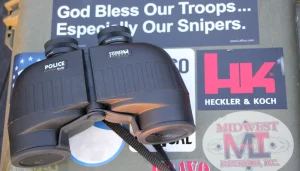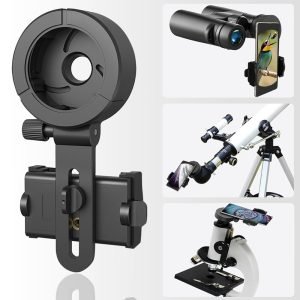
When every second counts, your rescue team needs more than just skill—they need the right tools and training to spot danger from afar. Binoculars are not just gadgets; they’re your eyes where it’s too risky to go.
But how do you make sure your team uses them effectively? This guide will show you exactly how to train your rescue team to master binoculars, turning simple lenses into lifesaving instruments. Keep reading, because what you learn here could be the difference between success and failure in a critical mission.
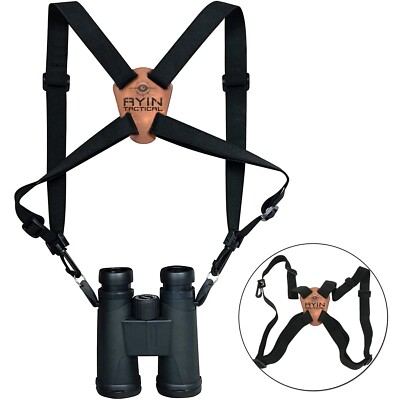
Credit: www.ebay.com
Choosing The Right Binoculars
Training rescue teams to use binoculars is important for success. Picking the right binoculars helps teams see far and clear.
Good binoculars improve spotting skills. Teams can find people faster and work safely.
Key Features To Consider
Look for binoculars with clear lenses and strong zoom. These features help see details at a distance.
- Magnification power: 8x to 10x is ideal
- Objective lens size: 40mm to 50mm for brightness
- Field of view: Wide view helps find targets fast
- Eye relief: Comfortable for users with glasses
- Focus type: Smooth and quick focusing is best
Best Brands For Rescue Teams
Choose brands known for quality and reliability. Trusted brands support rescue teams in tough conditions.
- Bushnell: Offers clear optics and good durability
- Nikon: Known for bright images and comfort
- Vortex: Popular for rugged and waterproof models
- Leica: Provides sharp views and sturdy builds
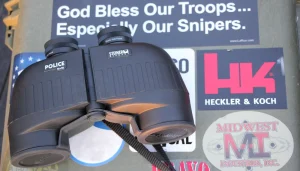
- Steiner: Made for military and rescue use
Durability And Weather Resistance
Binoculars must resist water, dust, and shock. Strong build keeps them working in any weather.
- Waterproof seals prevent damage from rain
- Fog-proof lenses keep views clear in cold
- Rubber coating protects from drops and bumps
- Lightweight but tough materials improve comfort
Credit: www.firerescue1.com
Basic Binocular Handling Skills
Training rescue teams to use binoculars helps them spot people and objects from far away. Good handling skills make their search easier and faster.
Learning how to hold, focus, and clean binoculars keeps the view clear. Teams must practice these skills often to be ready for rescue missions.
Proper Grip And Positioning
Hold binoculars firmly but not too tight. Use both hands to keep them steady. Keep your elbows close to your body to reduce shaking.
Position the binoculars at eye level. This helps to see clearly without straining your neck. Stand or sit in a stable position while looking.
- Use both hands for support
- Keep elbows near the body
- Hold binoculars at eye level
- Stay steady while observing
Adjusting Focus And Eye Relief
Focus the binoculars to get a sharp image. Start with the center focus wheel. Adjust each eyepiece if binoculars have a diopter setting.
Eye relief is the distance between your eyes and the lenses. Adjust the eyecups to fit your eyes. Good eye relief helps you see the whole image.
- Use the center wheel to focus
- Adjust diopter for each eye
- Set eyecups for comfortable eye relief
- Check focus regularly during use
Cleaning And Maintenance
Clean lenses carefully to avoid scratches. Use a soft brush or air blower to remove dust. Then wipe lenses with a microfiber cloth.
Store binoculars in a dry place. Keep them in a case to protect from dirt and damage. Check for loose parts and fix them before use.
- Remove dust with a soft brush or air blower
- Wipe lenses with a microfiber cloth
- Store in a clean, dry case
- Inspect binoculars for damage regularly
Advanced Observation Techniques
Training rescue teams to use binoculars well improves their ability to see details from far away. Good observation skills help teams find people and assess situations quickly.
Learning advanced ways to use binoculars can make a big difference during rescue missions. Teams should practice these skills often to stay sharp and ready.
Using Zoom And Magnification Effectively
Zoom lets teams see far objects clearly. But too much zoom can make images shaky. Teams should adjust zoom slowly and steadily.
Start with low magnification to find the target. Then increase zoom to see details. This helps avoid losing sight of the object.
- Begin with a wide view at low zoom
- Slowly increase magnification to focus
- Hold binoculars steady to prevent blur
- Practice smooth zoom changes during drills
Identifying Objects At Distance
Rescue teams must learn to recognize shapes and colors from far away. This helps them spot people, animals, or objects fast.
Use binoculars to check details like clothing color or movement. Teams should train to compare objects with known references.
- Look for clear outlines and shapes
- Note colors that stand out in the environment
- Use landmarks to judge distance
- Practice identifying common objects in training
Tracking Moving Targets
Following a moving target takes steady hands and focus. Teams should keep the binoculars steady and move them smoothly.
Practice predicting where the target will go. This helps keep it in view and avoid losing track during rescue operations.
- Hold binoculars firmly with both hands
- Move slowly and follow the target’s path
- Keep eyes on the target, not the binocular edges
- Train with moving objects to build skill
Simulated Rescue Scenarios
Training rescue teams with binoculars helps improve their search skills. Simulated rescue scenarios give them real practice.
These scenarios prepare teams for actual emergencies. They learn how to spot people and dangers from far away.
Creating Realistic Training Environments
Set up training areas that look like real rescue sites. Use varied terrain like forests, hills, and open fields.
Add obstacles and hidden objects for teams to find. This makes the training more challenging and close to real life.
- Use natural features like trees and rocks
- Include fake victims or markers at different distances
- Change weather conditions if possible
Incorporating Binoculars In Search Missions
Teach teams how to use binoculars to scan large areas quickly. Show them how to adjust focus and zoom properly.
Practice searching with binoculars from high points and moving locations. This helps spot targets far away and in hidden spots.
- Start with short distances, then increase range
- Train to identify shapes and colors through binoculars
- Practice spotting moving and still targets
Team Communication And Coordination
Good communication helps teams share what they see through binoculars. Teams must describe locations clearly.
Use radios or hand signals to coordinate searches. This keeps everyone informed and prevents overlapping efforts.
- Assign clear roles to each team member
- Use simple codes for directions and status updates
- Hold quick meetings before and after missions
Safety And Emergency Protocols
Training rescue teams to use binoculars safely is key during emergencies. Clear safety rules protect team members and help them work well.
Teams must learn how to handle equipment in tough conditions. They also need to know how to signal for help and avoid eye problems.
Handling Binoculars In Hazardous Conditions
Rescue teams often work in rough weather or dark places. They must hold binoculars firmly to avoid dropping them. Use straps to keep binoculars secure.
Clean lenses carefully to see clearly. Avoid touching lenses with dirty hands. Store binoculars in a safe case when not in use.
- Use wrist or neck straps for safety
- Keep lenses clean and dry
- Check binoculars for damage before use
- Wear gloves if needed to protect hands
Emergency Signaling Techniques
Binoculars help spot signals from far away. Teams should learn common emergency signals like flags, lights, and smoke. Knowing these helps teams find help faster.
Practice using binoculars to watch signals in different weather and light. Always keep binoculars ready to spot signals quickly.
- Recognize flag patterns for help
- Spot flashlight signals at night
- Identify smoke signals in daylight
- Use binoculars to confirm signals safely
Preventing Eye Strain And Fatigue
Looking through binoculars for long hours can tire eyes. Teams need to take short breaks to rest their eyes. Adjust binoculars properly to avoid strain.
Keep both eyes open when possible. Use binoculars with adjustable eyecups and focus. Good light helps reduce eye stress.
- Take breaks every 20 minutes
- Adjust focus and eyecups for comfort
- Keep both eyes open when using binoculars
- Work in well-lit areas if possible
Evaluating Team Performance
Training rescue teams to use binoculars well is important. Evaluating their performance helps improve their skills. This ensures the team can spot people or dangers quickly and accurately.
Good evaluation checks how well the team meets training goals. It also shows areas that need more practice or coaching. Here are key ways to evaluate rescue teams using binoculars.
Setting Clear Training Objectives
Start with clear goals for what the team should learn. Objectives guide the training and make evaluation easier. Each objective should be simple and measurable.
Examples of training objectives include spotting targets at certain distances or identifying objects fast. Clear objectives help trainers and teams focus on key skills.
- Define what tasks the team must perform with binoculars
- Set specific distances or times for spotting exercises
- Include safety checks and proper binocular use
Monitoring Accuracy And Speed
Check how fast and accurately team members can see and identify targets. Use timed drills and score correct identifications. This shows their skill level clearly.
Monitor each team member separately and as a group. Watch how they handle binoculars and communicate findings. Accurate and quick spotting is vital in rescue work.
- Use stopwatches to time spotting tasks
- Record correct and missed targets
- Note how well they adjust binocular focus
- Evaluate teamwork and sharing of information
Providing Constructive Feedback
Give clear and positive feedback after training sessions. Point out what each member did well and where they can improve. This helps them learn and stay motivated.
Focus on specific actions like holding binoculars steady or spotting details quickly. Offer tips and encourage practice. Keep feedback respectful and supportive.
- Highlight strengths and successful moments
- Suggest simple ways to fix mistakes
- Encourage asking questions and practicing more
- Follow up with regular feedback sessions
Ongoing Skill Development
Training rescue teams with binoculars requires constant practice. Skills can fade without regular use. Teams must keep their abilities sharp to respond well.
Ongoing skill development helps rescuers spot details from far away. This is vital in search and rescue missions. Consistent training builds confidence and accuracy.
Refresher Drills
Refresher drills help teams remember key techniques. These drills can include focusing, distance estimation, and communication using binoculars. Regular sessions keep skills fresh.
- Practice adjusting focus quickly
- Estimate distances to objects
- Identify landmarks clearly
- Communicate observations precisely
- Work in pairs to verify sightings
Incorporating New Technologies
New binocular models offer better zoom and night vision. Teams should learn to use these tools well. Understanding technology improves rescue success rates.
| Technology | Benefit | Training Focus |
| Digital Zoom | Closer views without moving | Practice switching zoom levels |
| Night Vision | See in low light | Train in dark conditions |
| Rangefinder | Measure distance precisely | Learn to read measurements |
| Image Stabilization | Clearer images on the move | Use while walking or running |
Encouraging Self-practice
Self-practice builds individual skill and confidence. Team members should spend time alone using binoculars. This lets them explore techniques at their own pace.
Tips for self-practice:
- Carry binoculars daily for quick exercises
- Set personal goals for spotting objects
- Record observations to track progress
- Try different lighting and weather conditions

Credit: www.yahoo.com
Frequently Asked Questions
How Can Binoculars Improve Rescue Team Training?
Binoculars enhance visual range, allowing teams to spot hazards and victims early. This improves decision-making and coordination during rescues, increasing safety and efficiency.
What Features To Consider In Binoculars For Rescue Teams?
Look for durability, waterproofing, good magnification (8x-10x), wide field of view, and clear optics. These features ensure reliable performance in harsh rescue environments.
How To Train Rescue Teams To Use Binoculars Effectively?
Teach proper focusing, scanning techniques, and target identification. Practice communication protocols and simulate real-life scenarios to build confidence and accuracy with binocular use.
Why Is Communication Important When Using Binoculars In Rescues?
Clear communication ensures accurate information sharing about locations and hazards. It prevents confusion and helps coordinate team movements effectively during critical rescue operations.
Conclusion
Training rescue teams with binoculars boosts their skills effectively. Binoculars enhance observation abilities, crucial for rescue missions. Teams learn to spot details from a distance. This training helps in making quick, informed decisions. Practice improves their accuracy and confidence in real scenarios.
Regular drills ensure they remain prepared and sharp. With consistent training, teams become more efficient. Binoculars are a vital tool in their training toolkit. Their use enhances the overall effectiveness of rescue operations. Equip teams with the right tools and training.
They will be ready to save lives.