Are you looking to sharpen your surveillance skills with tactical binoculars? Whether you’re monitoring from a distance or need a clear, close-up view without being noticed, knowing how to use these powerful tools can make all the difference.
You’ll discover simple, practical tips to get the most out of your tactical binoculars. By the end, you’ll feel confident and ready to handle any surveillance situation with ease. Keep reading, and unlock the full potential of your gear.

Credit: www.instagram.com
Choosing The Right Binoculars
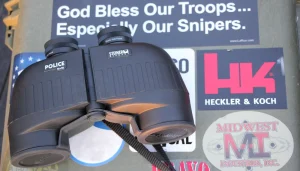
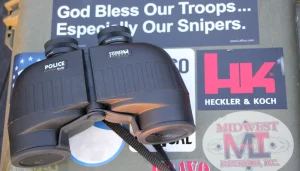
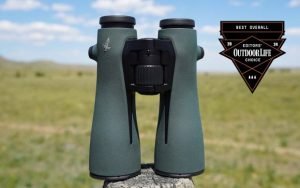
Choosing tactical binoculars means focusing on key features. Look for durabilityand water resistanceto handle rough conditions. Magnification poweris crucial; 8x to 10x is ideal for clear, close views without too much shake. Lens qualityaffects brightness and clarity. Opt for multi-coated lenses to improve light transmission. Size and weight matter too; compact models help with easy carrying during long surveillance.
Some best brandsoffer trusted quality and reliability. These include:
- Leica – Known for sharp images and rugged build
- Zeiss – Offers bright, clear lenses with good magnification
- Nikon – Good balance of price and performance
- Vortex – Popular for tactical and outdoor use
- Bushnell – Affordable and reliable for beginners

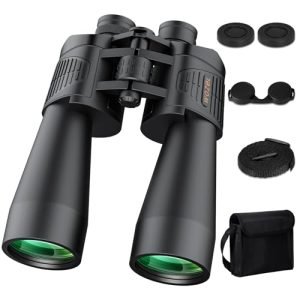
Credit: www.amazon.com
Understanding Binocular Specifications
Magnificationshows how much closer an object appears. For example, 10x means the object looks ten times closer. The objective lens diameteris the size of the front lens in millimeters. Larger lenses let in more light, which helps in dim conditions.
Field of viewmeans how wide an area you can see through binoculars. A wide field of view helps track moving targets easily. Narrow fields give more zoom but show less area. Choose binoculars balancing magnificationand field of viewfor your needs.
Proper Setup And Adjustment
Setting the diopterhelps sharpen the view for one eye. First, close your right eye. Look through the left lens with your left eye. Turn the diopter ring until the image is clear. This makes sure your binoculars match your eye’s focus. Then, close your left eye and open your right. Adjust the focus ring to make the image sharp. This way, both eyes see a clear picture.
Adjusting the interpupillary distancemeans setting the space between the two eyepieces. Hold the binoculars and slowly move the barrels closer or farther apart. Stop when you see a single, round image through both eyes. If the barrels are too wide or too narrow, you will see two images or feel discomfort. Proper distance helps your eyes work together well.

Credit: nutsrvph.com
Mastering Surveillance Techniques
Choosing the right spot is key for clear and steady viewing. Find a place with a good line of sightto your target. Avoid areas with heavy movement or bright lights that may distract or reveal your position.
Keep your body still and use a support like a tree, wall, or tripod. This helps reduce shaking and keeps the image sharp. Adjust the binoculars slowly to follow the target smoothly.
- Wear clothing that blends with the environment.
- Use natural cover like bushes or tall grass to hide.
- Stay low and avoid sudden movements.
- Keep equipment colors muted or camouflaged.
- Minimize noise and light to avoid drawing attention.
Enhancing Visibility In Low Light
Tactical binocularshelp see clearly in low lightby using special features. Night vision lets you spot objects in dark places. It works by amplifying small light sources like stars or the moon. This helps you watch without using a flashlight that might give away your position.
Infrared technologyadds another layer of visibility. It detects heat from people or animals. You can see warm shapes even when it is completely dark. This is very useful for surveillanceat night or in dense forests.
- Use night vision to see in near total darkness.
- Infrared helps find heat signatures clearly.
- Adjust settings for the best view depending on light.
- Keep binoculars steady to avoid blurry images.
Maintaining Your Binoculars
Keep binocular lenses clean using a soft microfiber cloth. Avoid using paper towels or rough fabrics to stop scratches.
Use a small brush or compressed air to remove dust from corners and crevices. Never touch lenses with fingers, as oils can cause smudges.
Store binoculars in a dry, cool place inside a protective case. Avoid leaving them in direct sunlight or humid areas to prevent mold and damage.
Always close the lens caps when not in use. This protects the lenses from dust and accidental scratches.
| Storage Tips | Reason |
|---|---|
| Use a padded case | Prevents damage from drops or bumps |
| Keep in a dry place | Stops moisture and mold growth |
| Avoid extreme temperatures | Protects internal lenses and mechanics |
| Store with lens caps on | Keeps lenses clean and scratch-free |
Expert Tips For Field Use
Using tactical binoculars needs care and attention to detail. Avoid common mistakes like holding them too close to your eyes. This can cause blurry images and fatigue. Keep the binoculars steady by using both hands and resting your elbows on a solid surface. Avoid moving too fast; slow movements help keep the view clear.
Adjust the focus gently to see distant objects sharply. Do not force the focus wheel. Check the binoculars’ settings before starting your surveillance. Make sure the lenses are clean and free from dust or smudges. Always use a neck strap to avoid dropping the binoculars.
Advanced users often use infrared or night visionfeatures for better visibility in low light. Combining binoculars with a tripod can improve stability for long watches. Using a map and compass along with binoculars helps with navigation during surveillance. Practice switching between near and far objects quickly to improve observation skills.
Frequently Asked Questions
What Are Tactical Binoculars Used For In Surveillance?
Tactical binoculars enhance long-distance viewing with clarity and durability. They help identify subjects discreetly during surveillance operations or outdoor activities. Their night vision and waterproof features make them ideal for various environments.
How To Choose The Best Tactical Binoculars?
Select binoculars with high magnification, clear optics, and a sturdy build. Consider features like night vision, image stabilization, and waterproofing for effective surveillance. Comfort and ease of use are also important for prolonged observation.
Can Tactical Binoculars Be Used At Night?
Yes, many tactical binoculars have night vision or low-light capabilities. These features enable clear viewing in dark or dim environments. Using infrared or thermal imaging enhances night surveillance effectiveness.
How To Maintain Tactical Binoculars For Long-term Use?
Clean lenses with a microfiber cloth and store binoculars in a protective case. Avoid exposing them to extreme temperatures or moisture. Regularly check for damages and ensure all parts function smoothly.
Conclusion
Tactical binoculars help you see details from far away. Use steady hands and clear lenses for best views. Always practice to improve your focus and spotting skills. Choose the right binoculars for your specific needs. Stay safe and respect privacy during surveillance tasks.
These tips make your surveillance clearer and more effective. Keep learning and using your binoculars with care.