A good pair of binoculars transforms a camping trip. Instead of squinting at a distant ridge or missing a moose at the tree line, you get crisp, immediate access to the landscape around you. But camping is hard on gear. Rain, dust, temperature swings, and being stuffed into a pack all take a toll.
The best camping binoculars are not necessarily the most expensive or the most powerful. In practice, they are the pair you will actually carry and reach for — compact enough to justify the space, tough enough to survive the trip, and optically clear enough to make the view worth the effort.
This guide breaks down exactly what to look for, reviews the top categories for different camping styles, and shares practical tips that make a real difference in the field.
Key Features for Camping Binoculars
Most binocular marketing focuses on magnification. But for camping, the features that matter most are often the unglamorous ones: weather sealing, weight, grip, and how the binoculars handle in low light.
Magnification and Lens Size
For general camping, an 8x or 10x magnification is the practical sweet spot. An 8x pair is easier to hold steady, offers a wider field of view, and is more forgiving when you are scanning for wildlife. A 10x pair brings distant details closer, but it also magnifies hand shake.
Lens size matters just as much. The second number in a specification like 8×42 or 10×42 is the objective lens diameter in millimeters. Larger lenses gather more light, producing brighter views at dawn and dusk. But they also add weight and bulk.
A common mistake is buying the highest magnification available. In practice, a stable 8x image beats a shaky 12x image every time, especially after a long day of hiking when your arms are tired.
Field of View
Field of view is the width of the scene you can see at a set distance, usually measured in feet at 1,000 yards. A wide field of view makes it dramatically easier to locate moving animals or track a bird in flight.
For camping and general wildlife viewing, look for a field of view of at least 300 feet at 1,000 yards. Anything narrower feels like looking through a straw and becomes frustrating when you need to find a subject quickly.
Durability and Weather Resistance
Camping exposes binoculars to rain, morning dew, dust, and accidental drops. Look for two specific terms:
- Waterproof: Fully sealed with O-rings so moisture cannot enter.
- Fogproof: The interior is purged with nitrogen or argon gas to prevent internal fogging during temperature changes.
Binoculars that are merely "water-resistant" are not enough for serious camping. A surprise downpour or a humid morning inside a tent can permanently cloud unsealed optics. If you often camp in wet conditions, it is worth comparing models designed for sealed, fog-proof hunting optics, since the same ruggedness applies on the trail.
Weight and Portability
Every ounce counts when you are carrying gear over distance. For camping binoculars, staying under about 2 pounds (roughly 900 grams) is a reasonable target. Compact 8×25 or 8×32 models can weigh half that.
The trade-off is straightforward: smaller, lighter binoculars are easier to carry, but their smaller objective lenses gather less light. If you mostly observe during daylight hours, a compact pair is perfect. If you expect extended viewing at dusk, a mid-size 8×42 is worth the extra weight.
Eye Relief and Comfort
Eye relief is the distance between your eye and the eyepiece where you can still see the full image. If you wear glasses, look for at least 15mm of eye relief. Most modern binoculars include twist-up eyecups that let you adjust this distance precisely.
Comfort also comes down to grip and balance. A slightly textured rubber armor helps when your hands are damp, and a well-balanced pair feels lighter than it actually is during long viewing sessions.
Types of Binoculars Suitable for Camping
Different camping styles call for different binocular designs. Understanding the main categories helps you narrow the field quickly.
Compact Binoculars
Compact models, typically with objective lenses of 25mm or less, are small and light enough to ride in a jacket pocket or hip belt. They are ideal for ultralight backpacking, day hikes, and situations where you want binoculars available but not intrusive.
The trade-off is low-light performance. A compact 8×25 pair works beautifully in daylight but darkens noticeably as the sun drops. For many campers, especially those who hike more than they sit and observe, this compromise is well worth it.
Full-Size Binoculars
Full-size models, usually 42mm objective lenses or larger, deliver brighter, more detailed images and a more comfortable viewing experience. They are the better choice for car camping, basecamp setups, wildlife watching, and anyone who prioritizes image quality over minimal weight.
A full-size 8×42 is arguably the most versatile single pair for camping. It is still portable enough for a daypack, yet its optics perform respectably in forests, open country, and low light.
Waterproof and Fogproof Models
If your camping tends to happen in mountains, coastal areas, or shoulder seasons, waterproof and fogproof binoculars are not optional. Sealed, nitrogen-purged optics resist internal fogging when you move from a cold morning outside into a warm tent, and they shrug off rain and splashes.
Look for models with a stated IPX rating or explicit waterproof/fogproof labeling from a reputable manufacturer. This is not a marketing detail; it is a functional design difference.
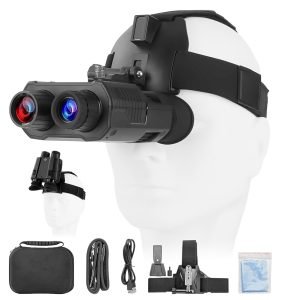
Night Vision Binoculars
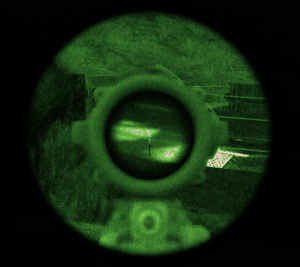
Dedicated night vision binoculars are a niche tool for observing wildlife after dark or navigating unfamiliar terrain at night. They use electronic light amplification and are significantly heavier, more expensive, and more delicate than standard optics.
For most campers, a better value is a conventional pair with large objective lenses, such as a 10×50, which can pull in enough ambient light for usable views at dusk and under moonlight. If you are curious about budget-friendly stargazing options, many of those same models double as respectable low-light camping binoculars.
Top Binocular Picks for Camping by Category
Rather than recommending one "best" pair for everyone, the smarter approach is to match the binoculars to how you actually camp. The categories below represent genuine, durable specifications rather than fleeting model names, so the guidance remains useful as product lines evolve.
| Category | Ideal Spec | Best For | Key Trade-Off |
|---|---|---|---|
| Best Overall | 8×42 waterproof | Car camping, versatile use | Slightly heavier than compacts |
| Best Lightweight | 8×25 or 8×32 compact | Backpacking, long hikes | Dimmer in low light |
| Best Low Light | 10×50 or 8×42 with ED glass | Dawn, dusk, forest shade | Larger and heavier |
| Best Waterproof | 8×42 fully sealed, fogproof | Rainy climates, river trips | Often pricier |
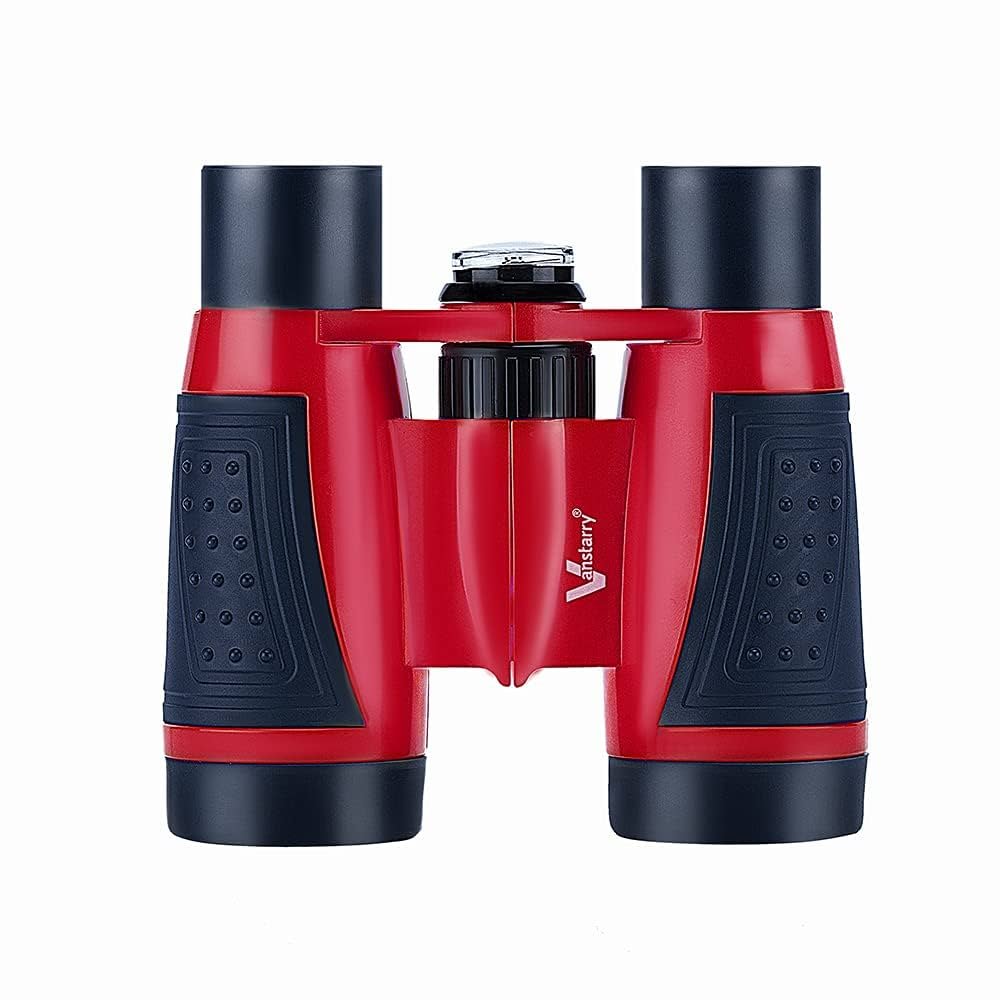
| Best Budget | 8×25 or 8×32 basic coated optics | Casual campers, kids | Fewer premium coatings |
Best Overall Camping Binoculars
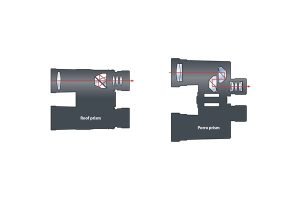
An 8×42 waterproof, fogproof roof-prism model is the default recommendation for most campers. This configuration balances field of view, brightness, weight, and durability better than any other single format.
Look for fully multi-coated lenses, which reduce internal reflections and improve contrast. Twist-up eyecups, a smooth central focus wheel, and a grippy rubber body are all signs of a well-made pair. In practice, this is the binocular you will use for wildlife, scenery, and even casual stargazing around camp.
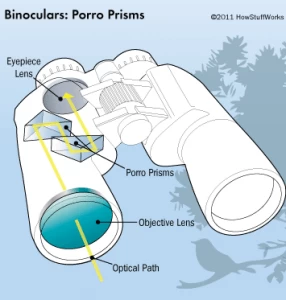
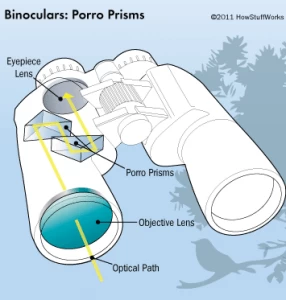
If you want a deeper look at how roof-prism optics behave in the field, it is useful to understand how roof prism binoculars work before committing.
Best Budget-Friendly Camping Binoculars
You do not need to spend a car payment to get a competent camping pair. Budget 8×25 or 8×32 models with multi-coated lenses are perfectly usable in daylight and surprisingly durable when sourced from established optics brands.
Expect fewer premium coatings, slightly softer edge sharpness, and simpler eyecups. Those compromises are acceptable for casual campers and especially for children. If you are outfitting younger campers, it helps to know what a reasonable kids' binocular budget looks like before you buy.
Best Lightweight Camping Binoculars
For backpackers counting grams, compact 8×25 binoculars save real weight without sacrificing daylight performance. Some ultralight models weigh under 12 ounces and disappear into a hip belt pocket.
The common mistake is assuming small means cheap. High-quality compacts with good optical coatings can cost as much as mid-size binoculars, but they reward you with a sharper, brighter image in a tiny package. When hiking with binoculars for long distances, how you carry them matters as much as weight — a poor strap arrangement causes bouncing and fatigue. Practical advice on carrying your optics while hiking applies directly to campers too.
Best for Low Light Conditions
Camp mornings and evenings are when wildlife is most active, and those are exactly the conditions where small objective lenses struggle. An 8×42 or 10×50 with high-quality glass and coatings will deliver brighter, more detailed views during the golden hours.
If dawn wildlife watching is a priority, consider models with extra-low dispersion (ED) glass, which reduces color fringing and improves contrast. Pair that with a look at mid-range low-light hunting binoculars to understand which optical features genuinely matter when light is scarce.
Best Waterproof Camping Binoculars
For paddlers, coastal campers, and anyone who has watched a storm roll through camp, fully waterproof construction is non-negotiable. Look for sealed body designs with nitrogen or argon purging, and O-ring sealed eyepieces and objectives.
In practice, a truly waterproof pair also resists dust and grit better, which extends the life of the moving focus mechanism. After a wet trip, resist the urge to wipe lenses with a dry shirt; a proper cleaning routine will keep them clear for years.
Choosing the Right Binoculars for Your Camping Style
The best binoculars match your specific camping habits, not a generic checklist.
Hiking and Backpacking
Prioritize weight and bulk. A compact 8×25 or 8×32 is ideal. You will spend most of your time on the move, stopping for quick observations rather than long stationary viewing sessions. A wide field of view helps you locate wildlife before it disappears.
Bird and Wildlife Watching
Choose an 8×42 or 10×42 with good close-focus capability. Many modern roof-prism binoculars focus down to 6 feet or less, which lets you observe butterflies, flowers, and small birds near camp. Sharp, fast focus is more valuable than extreme magnification. If you find yourself trying to lock onto moving birds, a quick, repeatable focusing routine makes a noticeable difference.
Stargazing Around Camp
Binoculars are an underrated astronomy tool. A 10×50 pair shows craters on the moon, Jupiter's moons, and star clusters far better than the naked eye. You do not need a telescope. Many "birding" models work well for casual stargazing with binoculars because they are already sharp and bright.
Family Camping
Durability and ease of use matter most. Kids benefit from lower magnification, wide fields of view, and simple focus mechanisms. Teaching basic handling and care early prevents frustration and broken equipment down the line.
Testing Binoculars Before Buying
Whenever possible, handle binoculars in person before buying. Pay attention to:
- Focus wheel: Does it turn smoothly without slop or stiffness?
- Eye cups: Do they stay in position securely?
- Image quality: Is the center sharp? How much distortion appears at the edges?
- Balance: Do they feel stable in your hand?
- Eyeglass compatibility: If you wear glasses, can you see the full field of view?
If you cannot test in person, buy from a retailer with a solid return policy and test the pair thoroughly upon arrival.
Common Buying Mistakes to Avoid
- Over-magnifying: 12x or higher is harder to hold steady and narrows the field of view.
- Ignoring eye relief: Glasses wearers who skip this spec often cannot see the full image.
- Chasing zoom binoculars: Variable zoom models are rarely sharp and are often fragile.
- Buying "water-resistant" instead of waterproof: Resistant is not sealed.
- Forgetting the strap: A good strap or harness transforms carrying comfort.
Accessories That Improve the Camping Experience
A few affordable accessories make good binoculars significantly easier to live with outdoors.
Carrying Cases and Straps
A padded case protects lenses and body from dust, scratches, and accidental knocks inside a pack. A wide, padded neck strap reduces fatigue during long viewing sessions. For active hikers, consider a binocular harness, which holds the pair close to your chest, prevents swinging, and keeps them instantly accessible.
If you carry binoculars on every hike, the right harness solution matters more than most people expect. The goal is a setup that makes you forget you are wearing them.
Lens Cleaning Kits
Camping is dirty. Pollen, dust, campfire ash, and fingerprints all find their way onto lenses. A small cleaning kit with a soft brush, microfiber cloth, and lens-safe cleaning solution belongs in your camping gear.
Never wipe lenses with clothing or dry paper towels. Tiny grit particles scratch lens coatings permanently. A gentle, proper cleaning routine — blowing away debris first, then using a clean microfiber cloth — preserves optical quality for years.
Tripods and Mounts
For extended observation sessions, especially at higher magnifications, a lightweight tripod and binocular adapter eliminate hand shake entirely. This is overkill for a quick backpacking trip but genuinely useful for car camping, scouting, or long stargazing sessions. Even a simple monopod can steady the view enough to notice fine details.
 A compact, weather-sealed pair is ideal for spontaneous views from camp.
Caring for Camping Binoculars
Binoculars are precision instruments. A few habits will keep them sharp and functioning for years.
- Store dry: After a damp trip, let binoculars air dry completely before storing. Keep them in a case with a desiccant pack in humid climates.
- Use lens covers: Objective and eyepiece covers prevent dust and scratches when not in use.
- Check moving parts: Periodically check the focus wheel and eyecup mechanisms for looseness or grit.
- Avoid extreme heat: Do not leave binoculars in a hot car or direct sun for hours. Heat can damage seals and internal lubricants.
- Clean carefully: Only use lens-safe solutions and clean cloths designed for coated optics.
If something does go wrong — a stiff focus wheel, misaligned barrels, or internal haze — early intervention prevents permanent damage. Understanding how damaged optics are repaired helps you decide whether to fix or replace a pair.
How Binoculars Work With Glasses
Glasses wearers should prioritize long eye relief, typically 15mm or more, and twist-up eyecups that can be adjusted to the correct height. Some binoculars work better than others with progressive or high-index lenses.
The wrong eye relief forces you to press glasses against the eyepiece, which is uncomfortable and smears both the glasses and the binocular lenses. A dedicated guide to optics that work well with glasses covers the specific measurements and features to check.
Frequently Asked Questions
What magnification is best for camping binoculars?
An 8x or 10x magnification is best for most camping. An 8x pair is steadier and offers a wider field of view, making it easier to find and follow wildlife. A 10x pair pulls in more detail but amplifies hand shake. For general camping, 8x is the safer default choice.
Are compact binoculars good enough for camping?
Yes, for daytime use and when weight matters. Compact binoculars with 25mm objective lenses are bright enough in full daylight and are dramatically easier to carry on foot. Their main weakness is low-light performance at dawn, dusk, or deep forest shade.
How important is waterproofing for camping binoculars?
Very important if you camp in wet, humid, or coastal environments. Fully waterproof binoculars are sealed against rain and splashes and resist internal fogging. Binoculars labeled only "water-resistant" are not adequately protected for serious outdoor use.
What is a good objective lens size for low light?
For low light around camp, look for objective lenses of at least 42mm. A 10×50 or 8×42 with high-quality glass and coatings gathers significantly more light than a compact 25mm model, producing brighter views during the best wildlife hours.
Can I use camping binoculars for stargazing?
Yes. A 10×50 pair is an excellent entry point for casual astronomy. Binoculars reveal lunar craters, Jupiter's moons, and many star clusters. You do not need a telescope to enjoy night skies around camp, and a stable pair of binoculars is often more intuitive to use.
How do I prevent my lenses from fogging while camping?
Choose fogproof binoculars purged with nitrogen or argon gas to prevent internal fogging. For exterior fogging caused by condensation, allow the binoculars to adjust to ambient temperature gradually and wipe lenses gently with a clean microfiber cloth. Practical steps for preventing fog buildup apply equally to campers.
Conclusion
The best camping binoculars match your camping style as closely as your boots or your tent. For most campers, a waterproof, fogproof 8×42 or a compact 8×25 covers nearly every situation without weighing you down.
Prioritize weather sealing, a wide field of view, comfortable eye relief, and a design that feels natural in your hands. Magnification is the least important spec on the box.
If you need a straightforward starting point, choose a waterproof 8×42 with fully multi-coated lenses. Carry it on every trip, keep the lenses clean, and it will quietly become one of the most-used items in your pack.
When you are ready to compare specific models, focus on the specs you identified here — eye relief, field of view, weight, and sealing — rather than brand hype or magnification battles. The right pair does not just show you the mountains. It pulls you into them.