Have your birding binoculars taken a hit and stopped working like they used to? You know how frustrating it is when your favorite pair of binoculars gets damaged right before a big birdwatching trip.
But don’t worry—fixing them might be easier than you think. In this guide, you’ll learn simple, step-by-step tips to repair your damaged birding binoculars and get back to spotting those amazing birds in no time. Keep reading, because your perfect view is just a few repairs away!
Common Binocular Issues
Damaged birding binoculars often suffer from misaligned lenses, broken focus knobs, or scratched glass. Fixing these issues involves careful cleaning, tightening loose parts, and realigning lenses for clear views. Simple repairs can restore binoculars and improve your birdwatching experience.
Scratched Lenses
Scratched lenses can make images look blurry. Use a soft cloth to clean gently. Avoid rough materials that might worsen scratches. Special lens-cleaning solutions can help remove dirt. Be sure to handle lenses with care.
Loose Focus Wheel
A loose focus wheel can make viewing difficult. Tighten it carefully using a screwdriver. Ensure it turns smoothly but firmly. If it’s broken, it may need replacement. Check for any loose screws around the wheel.
Foggy Or Moisture Inside
Foggy lenses can ruin views. Place binoculars in a warm, dry place. This helps remove moisture. Use silica gel packs to absorb excess moisture. Avoid direct heat or sunlight. It might damage the binoculars.
Misaligned Optics
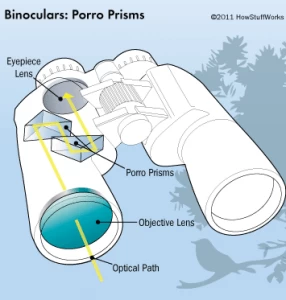
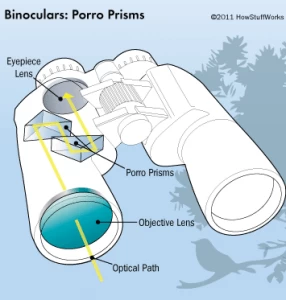
Misaligned optics can cause double images. Adjust them using the alignment screws. These are found near the lenses. Carefully turn them until the view is clear. If misalignment persists, professional help may be needed.

Credit: www.facebook.com
Tools Needed For Repairs
Basic cleaning supplies help keep binoculars clear and sharp. Use a soft cloth to wipe lenses gently. Avoid harsh chemicals that can damage coatings.
Small screwdrivers are essential for tightening loose screws. Choose sizes that fit your binoculars well to avoid stripping screws.
Lens repair kits often include cleaning solution and cloths. They help remove smudges and dirt without scratching lenses.
Silica gel packs keep moisture away. Place them inside the binocular case to prevent fog and mold build-up.
- Soft cleaning cloths:For safe lens cleaning
- Small screwdrivers:Tighten screws carefully
- Lens repair kits:Clean and fix minor lens issues
- Silica gel packs:Control moisture and prevent fog
Fixing Scratched Lenses
Start by gently removing dust and dirt using a soft, clean cloth. Avoid harsh wiping to prevent more scratches. Use a little lens cleaner or water for better cleaning. Let the lenses dry completely before any repair.
Apply a small amount of lens polishing compound to the scratched area. Use a soft cloth to rub the compound in a circular motion. Do this gently to avoid damage. Repeat a few times until scratches fade. Wipe off any leftover compound carefully.
- Always use protective lens covers to prevent new scratches.
- Keep covers on when not using the binoculars.
- Store binoculars in a soft case for extra safety.
- Clean covers regularly to avoid dirt transfer.
Tightening Loose Components
The focus wheeloften gets loose or stiff. Use a small screwdriver to gently tighten the center screw. Turn the wheel to check if it moves smoothly. Avoid over-tightening to prevent damage.
Loose screws can cause parts to wobble or fall off. Find a tiny screwdriver matching the screw heads. Carefully tighten all screws around the binoculars. Check the lenses and body for any loose parts.
Worn parts like rubber grips or lens covers need replacing. Search for parts made for your binocular model. Remove old parts slowly and fit new ones in place. This keeps your binoculars comfortable and protected.
Removing Moisture And Fog
Moisture inside binoculars can cause fog and damage lenses. Using drying techniqueshelps remove this moisture safely. Let binoculars air dry in a warm, dry place. Avoid direct sunlight or heat sources that can harm the device. Small silica gel packets absorb moisture effectively. Place binoculars and silica packets together in a sealed container for a day or two.
Desiccants work similarly by drawing moisture out. Store binoculars with these packets to keep them dry. Regular checks prevent fog build-up and damage. Keep binoculars in a dry bag or case when not in use. Avoid sudden temperature changes that cause condensation inside lenses.
| Drying Technique | Description |
|---|---|
| Air Drying | Leave binoculars in a warm, dry room away from direct heat. |
| Silica Gel | Use silica gel packets in a sealed container with binoculars. |
| Desiccants | Place desiccant packs with binoculars to absorb moisture. |

Credit: www.reddit.com
Realigning Binocular Optics
Misalignmentin birding binoculars causes blurry or double images. Look for these signs:
- Images appear blurry or unclear despite focusing.
- Seeing two images instead of one.
- Eye strain or discomfort after short use.
- Difficulty aligning both barrels to the same view.
Realigning optics needs patience and care. Start by gently loosening the screws holding the barrels. Move the barrels to line up the images properly. Use a distant object, like a tree or building, to test clarity. Tighten screws slowly while checking alignment. Repeat until the image is clear and single.
Choose professional help if the binoculars are still blurry. Also seek experts when screws or parts seem damaged or stuck. Professionals have special tools and skills. They can fix delicate parts safely without causing more harm.
Maintenance Tips To Avoid Damage
Regular cleaning keeps your binoculars clear and sharp. Use a soft brush or cloth to remove dust gently. Avoid using harsh chemicals; instead, use lens cleaner made for optics. Clean lenses carefully to avoid scratches.
Store binoculars in a cool, dry place to prevent moisture damage. Keep them in a padded case to protect from bumps. Avoid leaving binoculars in direct sunlight or extreme temperatures.
- Hold binoculars with both hands to avoid dropping.
- Do not twist or force parts; it may break internal mechanisms.
- Use the neck strap to keep binoculars secure.

Credit: www.facebook.com
Frequently Asked Questions
How To Fix Blurry Images In Birding Binoculars?
Blurry images often result from misaligned lenses or dirt. Clean the lenses gently with a microfiber cloth. If the problem persists, adjust the focus or consult a professional for realignment.
What To Do If Birding Binoculars Fog Up Inside?
Fogging inside binoculars indicates a seal failure. Dry the binoculars thoroughly and store them in a dry place. For severe cases, professional resealing or replacement of desiccants is needed.
Can Cracked Lenses In Birding Binoculars Be Repaired?
Cracked lenses usually require replacement as repairs affect image quality. Contact the manufacturer or a specialist to replace damaged lenses for optimal performance.
How To Repair Stuck Focus Wheel On Binoculars?
A stuck focus wheel can be cleaned and lubricated carefully. Avoid excess oil and use a soft cloth. If it remains stuck, professional servicing is recommended.
Conclusion
Repairing damaged birding binoculars can save money and extend use. Start by cleaning lenses gently and checking for loose parts. Tighten screws carefully and replace damaged components if possible. Avoid harsh chemicals and rough handling during repairs. Regular care helps prevent future damage and keeps views clear.
Small fixes often restore binoculars quickly and easily. Keep tools handy and follow simple steps for best results. Bird watching stays enjoyable with well-maintained gear. Take time to fix problems before they worsen. This keeps your binoculars ready for every outdoor adventure.