If you love exploring the outdoors with your Porro prism binoculars, you know how quickly dirt, dust, and smudges can build up on the lenses. These tiny particles can blur your view and ruin your experience.
But how do you clean your binocular lenses safely without damaging them? You’ll discover simple, effective steps to keep your lenses crystal clear after every adventure. Follow these tips, and your binoculars will deliver sharp, bright images every time you use them.
Ready to see the world in perfect focus? Let’s get started!
Porro Prism Binoculars Basics
Cleaning Porro prism binocular lenses requires gentle care to avoid scratches. Use a soft brush or air blower first, then wipe with a microfiber cloth. Avoid harsh chemicals to keep the lenses clear and sharp after outdoor use.
Key Features
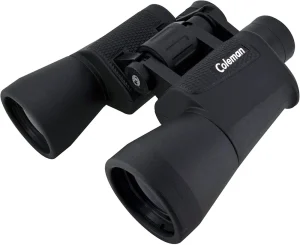
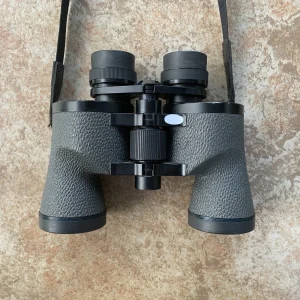
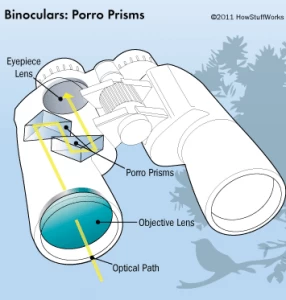
Porro prism binoculars offer a unique design. They have a zigzag shape. This design improves depth perception. It also enhances the field of view. These binoculars are often more affordable. They are known for their durability and ruggedness. Many outdoor enthusiasts prefer them.
Lens Types
Porro prism binoculars use different lens types. Multi-coated lenses reduce glare and enhance clarity. Fully-coated lenses offer basic protection. Phase-corrected lenses improve image quality. Each type affects how well you see. Choose lenses based on your needs. High-quality lenses make a big difference. They improve your viewing experience.

Credit: binocularscanada.com
Common Outdoor Lens Contaminants
Dust and dirtoften settle on binocular lenses during outdoor activities. These particles can scratch lenses if wiped carelessly. Use a soft brush or air blower to remove loose dirt first. Avoid rubbing hard to keep lenses safe.
Water spots and smudgesappear after rain or dew contact. They can blur your view if not cleaned gently. Use a clean, dry microfiber cloth to wipe spots softly. Avoid household towels which can cause scratches.
Oil and fingerprintscome from touching lenses with bare hands. These marks attract dust and reduce clarity. Use lens cleaning fluid or pre-moistened lens wipes for safe cleaning. Always handle binoculars by their body, not the lenses.
Essential Cleaning Tools
A soft brushor an air blowerhelps to remove dust and dirt. Avoid using your fingers or hard objects as they can scratch the lenses. These tools clean gently without damaging the surface.
Microfiber clothsare perfect for wiping lenses. They trap dust and oils without scratching. Always use a clean cloth to avoid rubbing dirt back onto the lens.
Lens cleaning solutionsare made to clean without leaving marks. Use only a few drops on the cloth, never directly on the lens. Water or household cleaners can harm the coatings.

Credit: vavaacademy.com
Step-by-step Cleaning Process
Start by removing loose dust and dirt using a soft brush or a clean air blower. Avoid blowing with your mouth to prevent moisture on the lenses. This step prevents scratches during cleaning.
Use a lens cleaning solution designed for optical lenses. Apply a few drops to a microfiber cloth, never directly on the lens. This helps remove smudges without damage.
- Wipe the lens gently in a circular motion.
- Use light pressure to avoid scratching the glass.
- Clean both lenses evenly to maintain clear vision.
- Use a dry part of the cloth to remove any leftover moisture.
Avoiding Common Cleaning Mistakes
Harsh chemicalscan damage the delicate lens coatings. Avoid using household cleaners or alcohol. Use only lens cleaning solutions made for optics. Harsh chemicals may leave permanent marks or cloud the lenses.
Scrubbing lenses aggressively can cause scratches. Use a soft microfiber cloth instead. Gently wipe in small circles to remove dirt. Rough cleaning can ruin the lens surface and reduce clarity.
Lens coatings help reduce glare and improve image quality. Ignoring them by using rough cloths or bad cleaners will wear them off quickly. Always handle lenses with care to keep coatings intact.
Maintaining Lens Quality Long-term
Storeyour Porro prism binoculars in a cool, dry place. Keep them in a soft caseto avoid dust and scratches. Avoid leaving binoculars under direct sunlight or damp areas. This protects the lenses and internal parts from damage. Use a lens cap to shield the lenses when not in use.
Set a regular cleaning scheduleto keep lenses clear. Clean lenses only with a soft microfiber clothor lens cleaning tissues. Avoid using rough materials to prevent scratches. Check binoculars for dirt or moisture after each use. Wipe gently to maintain lens coatings.
| Protective Accessory | Purpose |
|---|---|
| Lens Caps | Protect lenses from dust and scratches. |
| Carrying Case | Keep binoculars safe during transport and storage. |
| Neck Strap | Prevent accidental drops and ease carrying. |

Credit: www.amazon.com
Frequently Asked Questions
How Do I Safely Remove Dust From Porro Prism Lenses?
Use a soft brush or air blower to gently remove dust. Avoid using your fingers or rough cloth to prevent scratches. Always clean lenses in a dust-free environment for best results.
What Cleaning Solution Is Best For Binocular Lenses?
Use a lens cleaning solution specifically designed for optics. Avoid household cleaners or alcohol, as they may damage lens coatings. Apply solution sparingly on a microfiber cloth before cleaning.
Can I Use Tissue Paper To Clean Binocular Lenses?
No, tissue paper can scratch the delicate lens surface. Always use a microfiber cloth or lens cleaning wipes designed for optics. Proper materials preserve lens clarity and coating.
How Often Should I Clean Lenses After Outdoor Use?
Clean lenses only when visibly dirty or after outdoor use. Frequent cleaning can wear lens coatings prematurely. Regular maintenance ensures clear vision and prolongs binocular life.
Conclusion
Cleaning Porro prism binocular lenses keeps views clear and sharp. Use a soft brush or air blower to remove dust first. Gently wipe lenses with a microfiber cloth and special cleaner. Avoid pressing hard to protect the lens coating. Regular care helps your binoculars last longer and work better.
Clean lenses after every outdoor use to prevent damage. Clear lenses make outdoor adventures more enjoyable and fun. Simple steps keep your binoculars ready for the next trip. Easy to follow. Easy to do. Your binoculars will thank you.