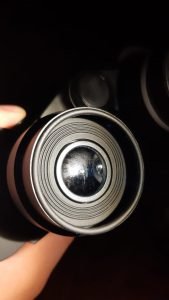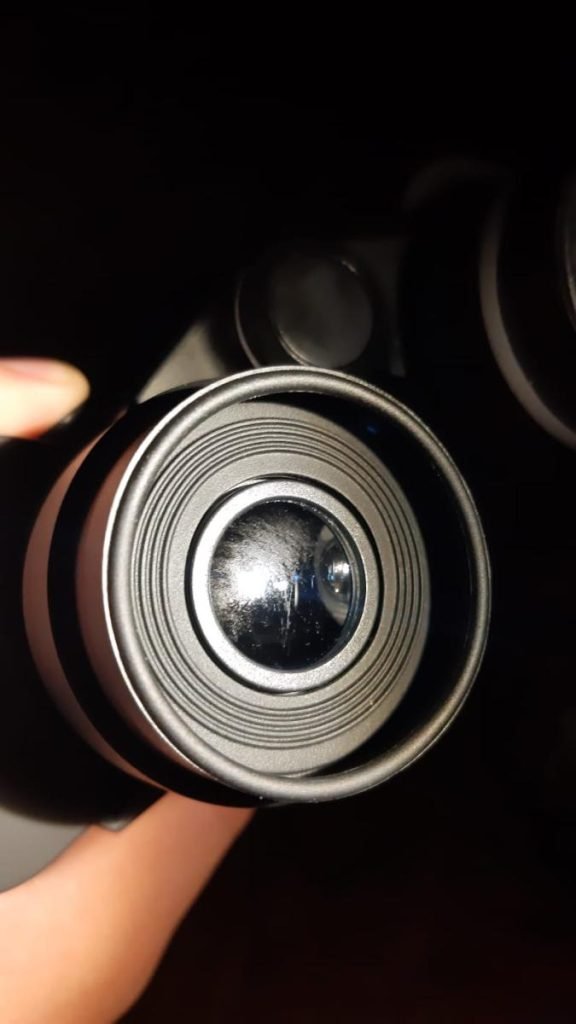
Your close-focus binoculars are your gateway to sharp, detailed views up close. But when those eyepieces get smudged or dirty, your clear vision quickly turns blurry and frustrating.
You want to enjoy every moment without struggling to see through dusty lenses. That’s why knowing how to clean your eyepieces properly is so important. You’ll discover simple, effective steps to keep your binoculars crystal clear—so you never miss a single detail again.
Ready to bring your view back into focus? Let’s dive in.

Credit: www.cloudynights.com
Tools Needed
A soft microfiber cloth, lens cleaning solution, and a blower brush are essential for cleaning eyepieces. Avoid using rough materials that can scratch the lenses. Gentle tools protect the delicate surfaces during cleaning.
Soft Brushes
Use soft brushes to remove dust from eyepieces. They are gentle and won’t scratch. Choose small brushes for tiny spaces. Make sure they are clean before use.
Microfiber Cloths
Microfiber cloths are perfect for cleaning. They are soft and do not leave marks. Always use dry cloths first. Wet cloths can be used if needed.
Cleaning Solutions
Choose cleaning solutions made for optics. They are safe for eyepieces. Don’t use household cleaners. A few drops on a cloth will do. Keep solutions away from children.
Preparing The Binoculars
Start by holding the binoculars gently. Use a soft brush or a blower to remove loose dust and debrisfrom the eyepieces. Avoid using your fingers to wipe dust away; this can cause scratches.
Use a lens cleaning cloth made of microfiber for the best results. Lightly wipe the lenses in a circular motion. Do not apply too much pressure.
- Keep liquids away from the binocular body to prevent damage.
- Never use rough fabrics or paper towels on the lenses.
- Avoid using household cleaners or alcohol as they can harm lens coatings.
Always clean eyepieces in a dry, dust-free area. Handle the binoculars carefully to avoid bumps or drops.
Cleaning The Eyepieces
Use a soft brushto gently remove dust and dirt from the eyepieces. Avoid pressing hard to prevent scratches. Small brushes designed for cameras or glasses work best.
Apply a few drops of cleaning solutionmade for optics on the lens, not directly on the eyepiece. This helps avoid damage to the lens coating. Never use household cleaners.
Wipe the eyepieces with a clean microfiber clothin a circular motion. This removes smudges and oils without scratching. Make sure the cloth is dry and clean before use.
Drying And Polishing
After cleaning, let the eyepieces air drynaturally. Avoid using cloths right away.
Place binoculars in a clean, dry place. Keep them away from dust and moisture.
Do not use hair dryers or heat sources. They can harm the lens coating.
- Gently polish with a clean microfiber cloth.
- Use small circles to avoid scratches.
- Keep the cloth dry and soft.
- Avoid pressing too hard on the glass.
- Repeat polishing until the lens is clear.
Maintenance Tips
Cleaning eyepieces regularly keeps your binoculars clear and sharp. Use a soft brush or air blower to remove dust gently. Avoid touching lenses with fingers to stop smudges. Use a microfiber cloth for light cleaning. For stubborn dirt, slightly dampen the cloth with water or lens cleaner.
Store binoculars in a dry, cool place to protect lenses. Keep them in a protective case to avoid scratches. Avoid exposing binoculars to direct sunlight or extreme heat. Always close lens caps when not in use to prevent dust buildup.

Credit: www.cloudynights.com
Common Mistakes To Avoid
Avoid using harsh chemicalslike bleach or ammonia on eyepieces. They can damage coatings and lenses. Stick to gentle cleanersmade for optics or plain water. Harsh chemicals can cause permanent harm to your binoculars.
Never use rough cleaning methods such as paper towels or clothing. These materials can scratch the lens surface. Use a soft microfiber cloth or lens brush instead. Always be gentle and carefulwhile cleaning.
- Harsh chemicals:Damage coatings and lenses.
- Rough materials:Cause scratches and harm optics.
- Gentle cleaning:Use optical lens cleaners or water.
- Soft cloth:Use microfiber cloth or lens brush.

Credit: stargazerslounge.com
Frequently Asked Questions
How Often Should I Clean Binocular Eyepieces?
Clean your binocular eyepieces only when visibly dirty or dusty. Over-cleaning can damage lenses. Use a soft brush or air blower regularly to remove loose particles and avoid frequent wiping.
What Materials Are Best For Cleaning Eyepieces?
Use microfiber cloths, lens cleaning tissues, or optical-grade wipes. Avoid rough fabrics or paper towels as they can scratch the lenses. Always use cleaning solutions designed for optics to maintain clarity.
Can Household Cleaners Damage Binocular Lenses?
Yes, household cleaners can harm lens coatings and degrade image quality. Always use specialized lens cleaning solutions or a mix of distilled water and isopropyl alcohol for safe cleaning.
How Do I Remove Stubborn Smudges From Eyepieces?
Apply a small amount of lens cleaner to a microfiber cloth. Gently wipe in circular motions without pressing hard. Avoid spraying liquids directly on the lenses to prevent damage.
Conclusion
Cleaning eyepieces on close-focus binoculars keeps your view clear and sharp. Use gentle tools like a soft brush and lens cloth. Avoid harsh chemicals or rough materials that can scratch lenses. Regular cleaning helps your binoculars last longer and work better.
Take your time and clean carefully for the best results. A clean eyepiece makes every sighting more enjoyable and bright. Keep this simple routine to protect your investment and enjoy nature fully. Easy steps, big difference.