Are you tired of struggling with annoying glare every time you use your ED glass binoculars? That bright, distracting reflection can ruin your viewing experience, making it hard to see the details you’re after.
But what if you could easily reduce or even avoid that glare altogether? You’ll discover simple, effective tips that help you get the clearest, sharpest views possible. Keep reading, and you’ll learn how to protect your eyes and enjoy your binoculars like never before.
Causes Of Glare In Binoculars
Glare in binoculars often happens due to bright light reflecting off lenses and surfaces. Using anti-reflective coatings and adjusting angles helps reduce unwanted glare effectively. Proper handling and lens care also play key roles in clear, glare-free views.
Light Reflection Sources
Glare in binoculars often comes from bright light sources. Sunlight or streetlights can cause reflection. This reflection enters the binoculars, creating glare. Direct light hitting the lenses can worsen glare. Blocking or redirecting these light sources reduces glare.
Lens Coating Issues
Lens coatings are crucial to reduce glare. Poor coatings can lead to more reflection. Quality coatings help minimize light bounce. Regular checks on coatings help maintain clarity. Damaged coatings can worsen glare problems.
Environmental Factors
Weather and surroundings affect glare. Fog or mist can scatter light, increasing glare. Dust and dirt on lenses also add to the problem. Cleaning lenses regularly helps reduce glare. Choosing spots with fewer light sources can help too.
Choosing The Right Binoculars
Anti-reflective coatingson lenses reduce glare and improve clarity. These coatings help block extra light that causes reflections. Choosing binoculars with multi-coated lensesenhances your viewing experience by delivering brighter images with less glare.
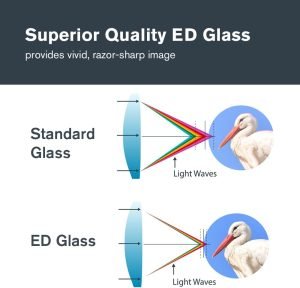
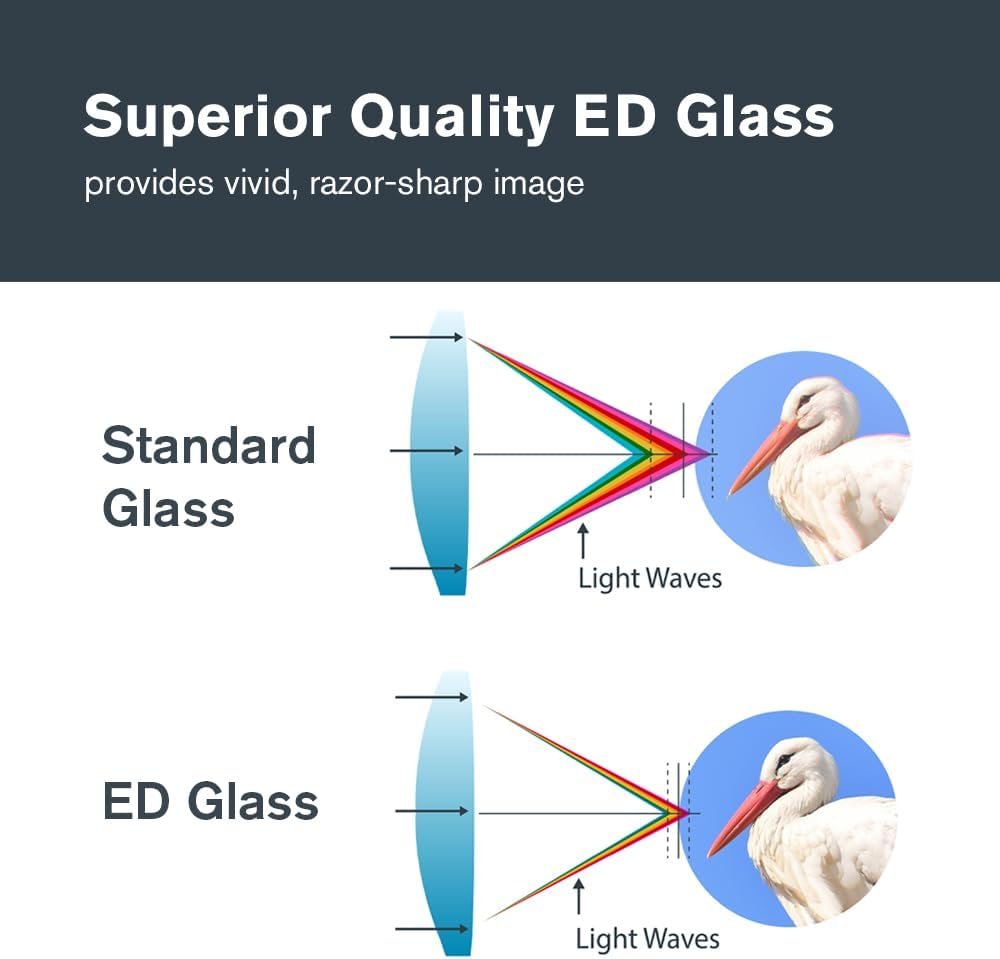
Lens quality and designare vital for clear vision. High-quality glass with low dispersion keeps images sharp and reduces color blur. The lens shape also affects how light passes through, lowering unwanted reflections.
Selecting the proper size and magnificationmatters. Larger lenses gather more light but can cause more glare in bright conditions. A good balance between size and magnification helps avoid glare while keeping the image clear and steady.
Positioning And Handling Techniques
Hold binoculars at an angle where the sun is behind you. This helps reduce glare and improves image clarity. Slightly tilt the binoculars up or down to find the clearest view. Small adjustments can make a big difference.
Lens hoods block unwanted light from hitting the lenses. They help cut glare and improve contrast. Use lens hoods that fit your binoculars well. They also protect lenses from dust and scratches.
- Stay out of direct sunlight while using binoculars.
- Use natural shade like trees or buildings to block the sun.
- Avoid facing the sun directly to reduce reflections.

Credit: www.alibaba.com
Maintenance Tips To Reduce Glare
Cleaning binocular lenses often helps reduce glare. Use a soft, lint-free cloth to wipe lenses gently. Avoid rough materials that can scratch the glass. Use lens cleaner made for optics or a mix of water and mild soap. Dry lenses carefully to avoid water spots.
Store binoculars in a protective case to prevent dust and scratches. Keep them in a cool, dry place. Avoid leaving them in direct sunlight or hot areas, which can damage lens coatings. Use lens caps whenever not in use for extra protection.
Check lenses regularly for scratches or damage. Scratches cause glare and reduce image clarity. If scratches are deep, consider professional repair or replacement. Keep binoculars clean and well-maintained to enjoy clear views without glare.
Additional Accessories To Minimize Glare
Polarizing filtersreduce glare by blocking reflected light. They make images clearer and colors richer. These filters fit over the binocular lenses easily. You can rotate them to find the best glare reduction angle.
Lens caps and coversprotect lenses from dirt and scratches. They also help reduce glare when binoculars are not in use. Using covers during bright sunlight prevents unwanted reflections.
Anti-glare screen protectorsstick on the binocular lenses. They reduce glare and protect lenses from scratches. These protectors are thin and do not affect image quality.
- Polarizing filters block reflected light effectively.
- Lens caps keep lenses clean and reduce reflections.
- Anti-glare protectors shield lenses and cut glare.

Credit: ytgxyqoptics.en.made-in-china.com

Credit: swoptics.co.uk
Frequently Asked Questions
How Can I Reduce Glare In Ed Glass Binoculars?
To reduce glare, use binoculars with multi-coated lenses. Avoid direct sunlight and adjust the angle for minimal reflection. Wearing polarized sunglasses also helps block unwanted glare effectively.
Why Does Glare Affect Ed Glass Binoculars Performance?
Glare causes unwanted reflections, reducing image clarity and contrast. It can strain your eyes and obscure fine details, making viewing less enjoyable and less accurate.
Are Lens Coatings Effective Against Glare In Binoculars?
Yes, lens coatings significantly reduce glare by minimizing surface reflections. Multi-layer coatings enhance light transmission, improve image brightness, and reduce eye strain during extended use.
Can A Lens Hood Help Prevent Glare In Binoculars?
Yes, a lens hood blocks stray light from hitting the lenses. It helps prevent flare and glare, improving image contrast and overall viewing quality.
Conclusion
Glare can ruin your experience with ED glass binoculars. Use lens hoods and anti-reflective coatings to reduce glare. Always clean lenses carefully to keep views clear. Adjust your angle to avoid direct sunlight. These simple steps help you see better and enjoy nature more.
Keep practicing, and your binoculars will perform at their best. Clear, bright views are just a few tips away.