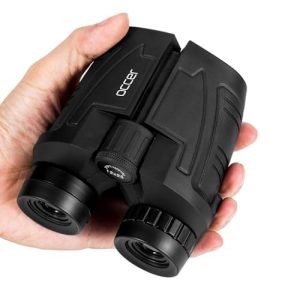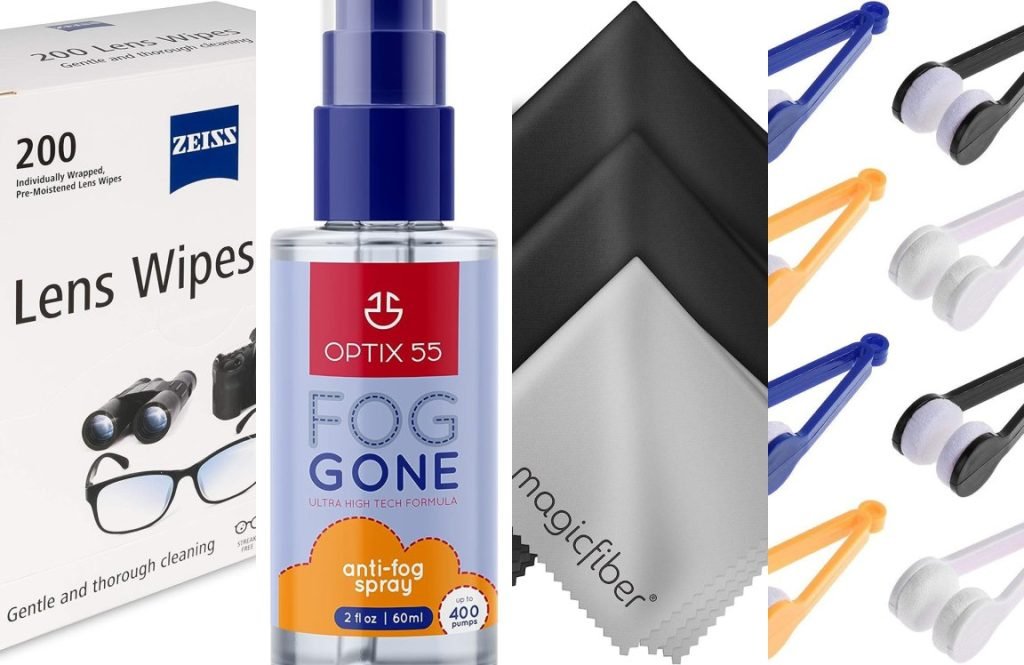
You rely on your lenses every day—whether for glasses, cameras, or screens. Keeping them clean is essential, but have you ever wondered which is better: lens cleaning sprays or wipes?
Choosing the right option can save you time, protect your lenses, and give you clearer vision. You’ll discover the key differences between sprays and wipes, so you can make the best choice for your needs. Keep reading to find out how to care for your lenses like a pro.
Types Of Lens Cleaning Products
Lens cleaning sprays use liquid to remove dirt and smudges gently. Wipes come pre-moistened and are quick for on-the-go cleaning. Sprays allow more control, while wipes offer convenience and ease.
Lens Cleaning Sprays
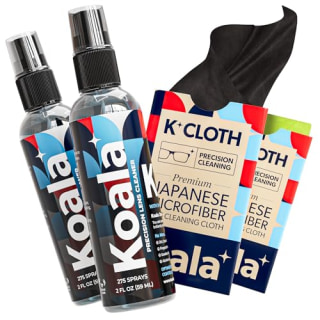
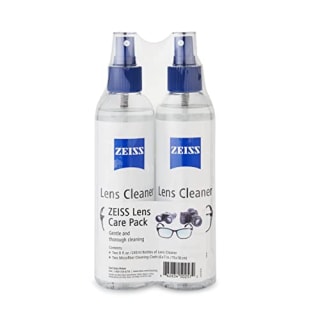
Lens cleaning sprays are liquid solutions. They are sprayed directly onto lenses. These sprays help remove dirt and smudges. Quick drying is a key feature. It leaves no streaks behind. Sprays often come with a microfiber cloth. This cloth helps in gentle cleaning. Always spray onto the cloth first. Then wipe the lenses carefully. Avoid spraying directly on lenses.
Lens Cleaning Wipes
Lens cleaning wipes are pre-moistened. They are ready to use anytime. Single-use wipes are popular. They are handy and portable. Each wipe is individually wrapped. This keeps them fresh and effective. They remove fingerprints and dust easily. They are convenient for travel. Wipes are safe for lenses. They do not scratch or damage surfaces. Always dispose of wipes after use.

Credit: www.reddit.com
Key Ingredients And Composition
Cleaning spraysmainly have water, alcohol, and mild detergents. These help remove dirt and oilsfrom lenses. Alcohol acts as a fast-drying agentthat prevents streaks. Some sprays include anti-fog or anti-static agents for extra care.
Cleaning wipescontain similar ingredients but are soaked in liquid inside a soft cloth. The cloth is often made from microfiber, which is gentle and safe for lenses. Wipes may have a small amount of alcohol and detergents as well.
| Component | Cleaning Sprays | Cleaning Wipes |
|---|---|---|
| Main Liquid | Water, alcohol, mild detergents | Alcohol and detergents soaked in microfiber cloth |
| Drying Agent | Alcohol for quick drying | Alcohol inside wipe helps drying |
| Cloth Material | Separate microfiber cloth needed | Built-in microfiber cloth |
| Extras | Anti-fog, anti-static agents | Usually none or minimal |
Application Methods
Sprayscome in a small bottle. Spray a little liquid on the lens. Use a soft cloth to wipe it clean. Sprays help remove dirt and grease well. Avoid using too much spray. It can drip into the lens edges. Always spray on the cloth, not directly on the lens. This stops damage to coatings or electronics.
Wipesare ready to use. They are soft and moist with cleaning solution. Just take a wipe and gently rub the lens surface. Wipes are quick and easy for cleaning on the go. They are also good for removing fingerprints. Use a fresh wipe each time to avoid scratches.
Effectiveness On Different Lens Types
Glass lensesare durable and less prone to scratches. Lens cleaning sprays work well to remove smudges and dirt. Using wipes can sometimes leave tiny fibers on the surface. Sprays help clean without rubbing too hard, keeping the glass clear and sharp.
Plastic and coated lensesneed gentler care. Wipes made for coated lenses are soft and less likely to damage the surface. Sprays must be safe for coatings to avoid harm. Using the wrong cleaner can cause spots or scratches. Always choose products designed for plastic or coated lenses.
Portability And Convenience
Lens cleaning spraysusually come in small bottles. They can be a bit bulky to carry. You may need a cloth to use them, which means carrying extra items. Sprays can leak if not tightly closed. They are better for cleaning multiple lenses at once.
Lens cleaning wipesare very easy to carry. They come in small packets or boxes. Each wipe is ready to use, no extra cloth needed. Wipes are great for quick cleaning on the go. They are less messy and fit in pockets easily.
Environmental Impact
Spray bottlesoften come in plastic containers. These plastics can take many years to break down. When empty, sprays add to plastic waste. This waste can harm animals and pollute water.
Wipes create a different kind of waste. They are usually made of cloth or paper mixed with chemicals. Many wipes are not biodegradable. They can clog pipes and cause problems in water treatment plants.
| Type | Waste Produced | Environmental Impact |
|---|---|---|
| Lens Cleaning Sprays | Plastic bottles | Long-lasting plastic pollution |
| Lens Cleaning Wipes | Used cloth or paper | Non-biodegradable waste, clogging pipes |
Cost Comparison
Lens cleaning spraysusually cost more upfront than wipes. A small bottle can last a long time. This makes sprays a good choice if you clean lenses often. The price for sprays is around $5 to $15, depending on brand and size.
Lens cleaning wipesare sold in packs. Each wipe is used once and thrown away. Packs with 50 to 100 wipes cost between $7 and $20. Wipes are good for quick, easy cleaning without extra tools.
| Product | Price Range | Usage |
|---|---|---|
| Lens Cleaning Sprays | $5 – $15 per bottle | Multiple uses, lasts longer |
| Lens Cleaning Wipes | $7 – $20 per pack | Single use, convenient |
Safety And Potential Risks
Chemical risksin lens cleaning sprays include harsh ingredients. These chemicals can damage lens coatingsor irritate the skin and eyes. Some sprays contain alcohol or ammonia that may harm delicate surfaces. Always check spray labels for safe use on lenses.
Using abrasive wipes can cause scratcheson lens surfaces. Wipes with rough fibers or dirt particles can wear off coatings. Some wipes dry out lenses, leaving streaks or spots. Choose wipes labeled as gentleand lint-freeto protect lenses better.
Choosing The Right Product For You
Choosing between lens cleaning spraysand wipes depends on your needs. Sprays work well for deep cleaning. They remove oils and dirt easily. Use a soft cloth after spraying for best results.
Wipes offer quick and convenient cleaning. They are pre-moistened and easy to carry. Great for on-the-go useor quick touch-ups.
| Factor | Lens Cleaning Sprays | Lens Cleaning Wipes |
|---|---|---|
| Portability | Less portable, needs cloth | Very portable, all-in-one |
| Cleaning Depth | Deep cleaning, removes tough dirt | Light cleaning, good for smudges |
| Cost | Usually cheaper long-term | More expensive per use |
| Surface Safety | Safe with correct cloth | Safe but can dry out quickly |
- Daily use:wipes for quick cleanups.
- Heavy dirt:sprays with microfiber cloth.
- Travel:wipes are easy and handy.
- Home use:sprays provide better value.
Credit: www.nbcnews.com
Credit: www.nbcnews.com
Frequently Asked Questions
What Are The Main Differences Between Lens Sprays And Wipes?
Lens sprays use a liquid cleaner to remove dirt and smudges, while wipes are pre-moistened cloths designed for quick cleaning. Sprays often require a microfiber cloth, whereas wipes are ready to use. Both effectively clean lenses but differ in convenience and application.
Are Lens Cleaning Sprays Safer For Sensitive Lenses?
Yes, lens cleaning sprays are generally safer for sensitive lenses. They contain gentle, alcohol-free formulas that won’t damage coatings. Using a soft microfiber cloth with sprays helps avoid scratches, making them ideal for delicate or high-end lenses.
Can Lens Cleaning Wipes Cause Scratches On Lenses?
Lens cleaning wipes usually don’t cause scratches if used correctly. They are made from soft materials safe for lens surfaces. However, reused or dirty wipes can trap particles that might scratch lenses, so always use fresh wipes for cleaning.
Which Lens Cleaner Is More Convenient For Travel?
Lens cleaning wipes are more convenient for travel. They are portable, disposable, and require no extra cloth. Sprays need a separate microfiber cloth and careful handling to avoid spills, making wipes a better option for on-the-go cleaning.
Conclusion
Lens cleaning sprays and wipes both clean lenses well. Sprays work best for tough dirt and smudges. Wipes offer quick, easy cleaning on the go. Choose based on your needs and convenience. Always use gentle motions to avoid scratches. Keep your lenses clear for better vision.
Clean lenses help protect your eyes too. Small care makes a big difference daily. Now, you know how to pick the right option. Clean lenses, clear sight—simple as that.