When you’re choosing compact binoculars, one key feature can make all the difference: the field of view. But what exactly is the best field of view for your needs?
Getting this right means you won’t miss a moment of the action, whether you’re birdwatching, hiking, or attending a sports event. You’ll discover how the field of view affects what you see and how to find the perfect balance for your compact binoculars.
Keep reading, and you’ll soon know exactly what to look for to enjoy crystal-clear, wide-ranging views every time.

Credit: www.travelandleisure.com
Field Of View Basics
Field of viewin binoculars means how much you can see. It is measured in feet or meters. A wider field of viewlets you see more area. Compact binoculars often have a narrower field. This might limit your view. But it can make details clearer.
Field of view is measured at 1000 yards or meters. Binoculars with 300 feet at 1000 yards have a narrow view. Binoculars with 400 feet at 1000 yards have a wider view. The measurement helps understand how much you can see.
A wider fieldis better for watching birds or sports. It helps follow fast movements. A narrow field is good for focusing on details. Choose the field based on what you want to see. Both have advantages for different activities.
Credit: gearjunkie.com
Field Of View In Compact Binoculars
The field of view (FOV)in compact binoculars shows how wide the view is. A wider FOV helps see more without moving the binoculars. Typical FOV ranges from 300 to 400 feetat 1000 yards. This means you see a 300 to 400 feet wide area far away.
| Field of View (feet at 1000 yards) | Description |
|---|---|
| 300-320 | Smaller view, compact size, easier to carry |
| 320-380 | Good balance between size and wide view |
| 380-400+ | Wider view, but binoculars may be larger |
Compact binoculars must balance size and viewing area. Smaller binoculars are easy to carry but have a narrower FOV. Bigger FOV means you see more but the binoculars get heavier. Choose based on what is more important: portability or wide view.
Factors Influencing Field Of View Choice
The intended useaffects the best field of view for binoculars. Birdwatchers need a wider viewto spot moving animals easily. Hikers may prefer a narrower viewfor detailed sights far away.
Eye reliefis how far your eyes can be from the binoculars and still see the full view. Longer eye relief means more comfort, especially for those who wear glasses. Comfort is key for long use.
| Factor | Impact on Field of View |
|---|---|
| Weight | Lighter binoculars are easier to carry but may have a smaller view. |
| Portability | Compact size helps in travel, often with a trade-off in view width. |
Expert Recommendations
Optimal Field of View for Birdwatchingusually ranges between 6° to 8°. This wide view helps spot birds easily. A wider field shows more area, so you can find birds faster. But too wide can lower detail. Balance is key for clear images and good coverage.
Best Field of View for Hiking and Travelis often 5° to 7°. This range gives a good mix of detail and a broad view. Compact binoculars with this field help see landscapes and far places. They are easy to carry and great for quick use.
Choosing Field of View for Sports Eventsmeans picking 6° to 7°for a wide view. This helps follow fast action on fields or courts. A good field of view lets you see more players and moves without turning your head.
Common Trade-offs
Wide field of viewlets you see a larger area at once. Great for spotting birds or animals quickly. But it often means less magnification. Objects look smaller.
Higher magnificationshows more detail but narrows what you see. You might miss things outside the view.
| Aspect | Wide Field of View | High Magnification |
|---|---|---|
| View Size | Large area visible | Smaller area visible |
| Image Detail | Less detail | More detail |
| Ease of Use | Easier to find objects | Harder to keep steady |
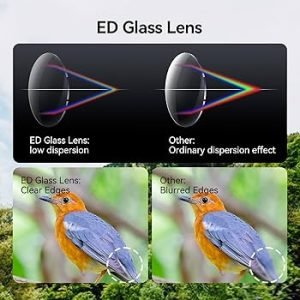
Good binoculars balance field of viewand optical quality. A sharper image often means a smaller field of view. Cheaper models may blur edges at wide views.
Tips For Testing Field Of View
Trying binoculars in-store gives a real feel of their field of view. Look through different models to see which view feels best. Notice how wide or narrow the image appears. Walk around and observe objects at different distances.
Field of view apps and tools help you compare binocularsbefore buying. These apps show how much you can see through various models. They make it easy to test many options without leaving home.
- Use apps that simulate binocular views
- Check field of view measurements in degrees or feet
- Compare close and far views
- Choose the one that shows the most useful view for you

Credit: www.travelandleisure.com
Frequently Asked Questions
What Is Field Of View In Compact Binoculars?
Field of view (FOV) is the width of the visible area seen through binoculars. It’s usually measured in feet at 1000 yards. A wider FOV helps spot objects easily and track moving targets, making it crucial for birdwatching and sports events.
How Does Field Of View Affect Binocular Performance?
A wider field of view allows you to see more area without moving the binoculars. It improves situational awareness and makes locating subjects faster. Narrow FOVs offer higher magnification but limit visible area, which can be less practical for dynamic viewing.
What Is The Ideal Field Of View For Compact Binoculars?
An ideal FOV for compact binoculars ranges from 300 to 400 feet at 1000 yards. This range balances wide visibility with magnification, providing clear images without sacrificing portability or ease of use.
Why Choose Wider Field Of View For Birdwatching?
Birdwatching demands quick spotting and tracking of fast-moving birds. A wider FOV makes it easier to locate birds and follow their movement, enhancing the viewing experience and reducing eye strain during long observation periods.
Conclusion
Choosing the best field of view for compact binoculars depends on your needs. A wider view helps track moving objects easily. Narrower views give better detail and focus on distant sights. Think about how and where you will use your binoculars most.
Comfort and clarity matter a lot. Balance between view size and sharpness for the best experience. Test different options if you can. This helps find what feels right for you. Enjoy clearer, sharper views wherever you go.