Have you ever wondered if zoom binoculars can really zoom in further than telescopes? If you’re someone who loves exploring distant views, this question might have crossed your mind.
You want the best tool to see far-off details clearly, whether it’s for birdwatching, stargazing, or just satisfying your curiosity. You’ll discover the truth about how far each device can zoom, what factors affect their performance, and which one might be the perfect fit for your needs.
Keep reading to find out which option will give you the clearest, closest view you’ve been searching for.
Basics Of Zoom Binoculars
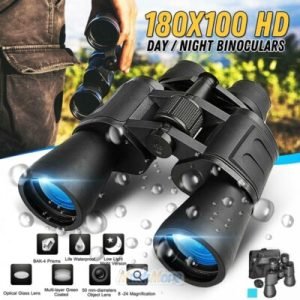
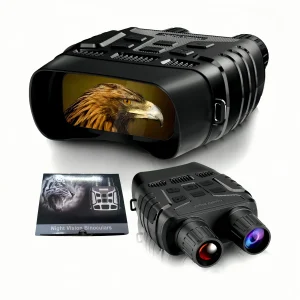
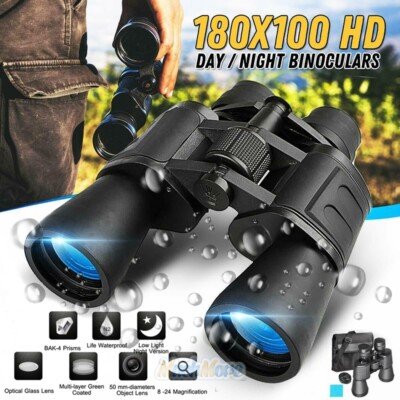
Zoom binoculars have adjustable lenses. They make distant things look closer. You turn a knob to zoom in or out. This is called magnification. The lenses change position inside. Light enters the binoculars and bends. This helps you see clearer images.
Most zoom binoculars have a range of 8x to 24x. The number shows how much closer objects appear. Higher numbers mean greater magnification. Some binoculars have even bigger ranges. This helps see things very far away.
- Easy to carry around.
- Can zoom in and out quickly.
- Great for bird watching and sports.
- Adjustable for different distances.
- Useful for both close and far views.
Basics Of Telescopes
Telescopes help us see very far objects in space. They use lenses or mirrors to gather light. This makes distant things look bigger and clearer.
Different types of telescopes exist. Some use lenses and are called refracting telescopes. Others use mirrors and are called reflecting telescopes. There are also compound telescopes that mix both lenses and mirrors.
| Type of Telescope | How It Works | Best Use |
|---|---|---|
| Refracting | Uses lenses to bend light | Planets and moon |
| Reflecting | Uses mirrors to reflect light | Stars and galaxies |
| Compound | Combines lenses and mirrors | Varied astronomy needs |
Magnificationshows how much bigger objects appear. Apertureis the size of the main lens or mirror. Bigger aperture means more light and clearer images.
Key features include lens quality, size, and ease of use. Some telescopes have mounts that help keep them steady. Others come with tracking systems to follow moving objects.
Comparing Magnification
Zoom binoculars offer adjustable magnification but usually cannot match the extreme zoom levels of telescopes. Telescopes are designed for far distances, providing clearer, stronger zooms. Choosing depends on your need for portability or detailed viewing.
Maximum Zoom Levels
Telescopesgenerally have much higher zoom levels than binoculars. They can magnify objects hundreds of times, useful for stars and planets. Zoom binoculars offer variable magnification but usually max out around 20x. This limit helps keep images clear and stable. So, binoculars zoom less but are easier to hold and use.
Image Clarity And Detail
Higher zoom is not always better. Telescopes can show more detail but need a steady base to avoid shaking. Zoom binoculars are portable and good for quick views. Their lenses are designed to keep images sharp at lower zoom levels. Clear images depend on lens quality and stability.
Effect Of Lens Quality
| Lens Quality | Impact on Zoom Binoculars | Impact on Telescopes |
|---|---|---|
| High Quality Glass | Sharp, bright images with less distortion | Clear, detailed views of distant objects |
| Low Quality Glass | Blurry images and color fringing | Fuzzy images and reduced detail |
| Coatings | Reduce glare and improve contrast | Enhance light transmission for faint objects |

Credit: www.ebay.com
Portability And Usability
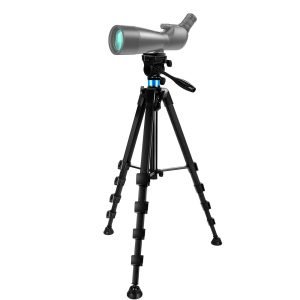
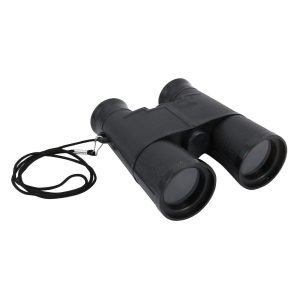
Zoom binocularsare usually smaller and lighter than telescopes. This makes them easy to carry and hold for a long time. Telescopes tend to be bulkier and need a tripod for support.
Using zoom binoculars is simple. You just hold them up to your eyes and turn a knob to zoom. Telescopes require more setup and focus adjustments, which can be tricky outside.
| Feature | Zoom Binoculars | Telescopes |
|---|---|---|
| Power Source | Usually none or small batteries | Often no power needed, some models use electricity |
| Maintenance | Easy to clean and store | Requires careful handling and regular cleaning |
| Weight | Light and portable | Heavy, less portable |
Ideal Uses For Each Device
Wildlife observationbenefits from binoculars because they are lightweight and easy to carry. They offer good magnification and a wide field of view. This helps spot animals quickly and follow their movement without much effort.
Astronomy and stargazingusually require telescopes. Telescopes can zoom much farther into space, showing details of planets and stars. They gather more light, making faint objects visible at night.
Travel and outdoor activitiesoften call for binoculars. They are compact and handy for hiking or sightseeing. Binoculars provide clear and bright images for viewing landscapes or distant objects during the day.
Common Misconceptions
Many believe zoom binoculars can see farther than telescopes, but telescopes generally offer higher magnification. Binoculars are easier to carry but usually cannot match the zoom power of telescopes. Understanding their different uses helps clear this common confusion.
Magnification Myths
Many believe that higher magnificationalways means better viewing. But zoom binoculars with high magnification can have blurry images. The quality of glass and lens size matters a lot. Bigger lenses gather more light, making objects clear.
Zoom Versus Aperture Confusion
Aperture is the diameter of the lens. It controls how much light enters the device. Telescopes usually have larger apertures than binoculars. This helps telescopes show distant stars and planets more clearly.
Expectations Versus Reality
People expect zoom binoculars to see far like telescopes. But binoculars are made for close to medium distances. Telescopes are better for very far objects, like the moon or planets. Both tools have different uses and strengths.
Choosing The Right Optics
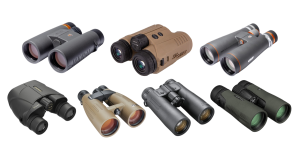
Choosing the right optics depends on what you want to see. Zoom binocularsare great for quick, close views. They are easy to carry and use. Telescopes offer much higher magnification. They let you see faraway objects like planets and stars clearly.
Think about where and how you will use your optics. For hiking or sports, binoculars are better. For night sky watching, a telescope works best. Zoom binoculars have limited zoom range compared to telescopes. Telescopes have larger lenses and better light gathering.
| Budget | Options |
|---|---|
| Low | Basic zoom binoculars, entry-level telescopes |
| Medium | Mid-range binoculars with better zoom, small telescopes |
| High | Professional binoculars, advanced telescopes |
- Nikon offers a good range of binoculars.
- Celestron is known for reliable telescopes.
- Bushnell makes affordable, quality binoculars.
- Orion sells popular beginner telescopes.

Credit: www.amazon.com

Credit: www.amazon.com
Frequently Asked Questions
Can Zoom Binoculars Really Zoom Farther Than Telescopes?
No, telescopes generally offer much higher zoom levels than zoom binoculars. Binoculars focus on portability and ease of use.
What Affects The Zoom Capability Of Binoculars And Telescopes?
Lens size, optical quality, and design impact zoom capability. Telescopes have larger lenses, providing greater magnification and clarity.
Are Zoom Binoculars Better For Casual Viewing Than Telescopes?
Yes, binoculars are more user-friendly and portable, ideal for casual use. Telescopes suit detailed, long-distance observation.
How Does Image Quality Compare Between Zoom Binoculars And Telescopes?
Telescopes provide sharper images at high magnifications. Zoom binoculars may lose clarity as zoom increases.
Conclusion
Zoom binoculars offer flexible zoom for closer views. Telescopes provide stronger, fixed magnification for distant objects. Each tool serves different needs and situations. Choose binoculars for quick zoom and portability. Opt for telescopes when you want detailed, faraway views. Both have unique strengths that suit various activities.
Understanding these differences helps you pick the right gear. Your choice depends on what you want to see and where. Clear vision comes from using the right tool well.