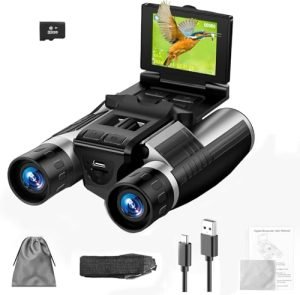
You’ve just cleaned your binocular lenses, hoping for a crystal-clear view, but instead, streaks are ruining your sight. It’s frustrating when your trusty lens cleaner leaves marks instead of clarity.
You want your binoculars to perform at their best, whether you’re birdwatching, hiking, or stargazing. Don’t worry—there are simple steps you can take right now to fix those streaks and protect your lenses. Keep reading to discover easy tips that will make your binocular lenses spotless and your views sharper than ever.
Credit: www.nbcnews.com
Causes Of Streaks On Binocular Lenses
Streaks on binocular lenses often come from using the wrong cleaner or dirty cloths. Residue from some lens cleaners can leave marks if not wiped properly. Gently buffing with a clean, soft cloth usually removes these streaks.
Residue From Cleaning Solutions
Some cleaning solutions leave a thin film. This film causes streaks. Check the solution’s ingredients. Avoid those with oils or strong chemicals. Use a small amount. Excess solution creates residue.
Improper Cleaning Techniques
Rubbing too hard can spread dirt. Circular motions leave streaks. Use gentle strokes. Clean from center to edge. This method avoids streaks. Follow proper steps to clean lenses.
Using The Wrong Cloth Or Material
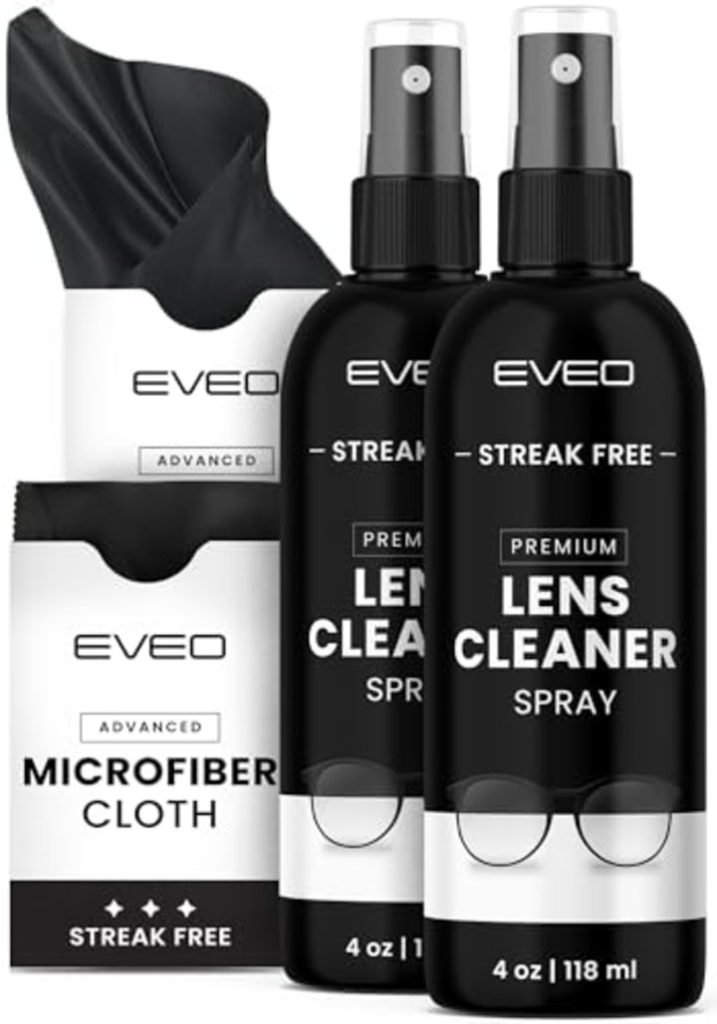
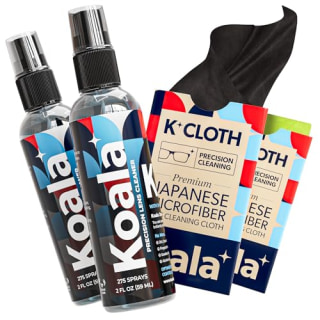
Materials like paper towels scratch lenses. Avoid them. Use microfiber cloths. They are soft and safe. Do not use old cloths. They may have dirt. Always use clean, dry cloths.

Credit: www.amazon.in
Choosing The Right Lens Cleaner
Lens cleaners come in many types. Some are liquids, others are wipes or sprays. Choosing a cleaner with safe ingredientsis very important for binocular lenses.
Look for cleaners that contain water, mild detergents, or alcohol-free solutions. These keep lenses clean without damage. Avoid cleaners with strong chemicals like ammonia or acetone. Such chemicals can harm lens coatingsand leave streaks.
| Safe Ingredients | Harmful Chemicals to Avoid |
|---|---|
| Water | Ammonia |
| Mild detergents | Acetone |
| Alcohol-free solutions | Bleach |
| Isopropyl alcohol (low %) | Strong solvents |
Choosing the right cleaner helps protect lenses. It also prevents streaks and scratches. Always read labels carefully before use.
Step-by-step Lens Cleaning Process
Remove loose dustgently using a soft brush or air blower. Avoid wiping at this stage to prevent scratches. This step clears particles that cause streaks.
Use a clean microfiber clothfor applying the lens cleaner. Spray the cleaner on the cloth, not directly on the lenses. This prevents excess liquid and streaks.
- Wipe in small, circular motions.
- Apply light pressure to avoid damage.
- Focus on one lens at a time.
- Use a fresh part of the cloth for each wipe.
Patience is key. Repeat gentle wiping until the streaks disappear. Avoid rushing, as forceful cleaning can worsen marks.
Quick Fixes For Streak Removal
Use a clean microfiber clothto gently wipe the lenses. Avoid rough materials that can cause scratches. Wipe in small circular motionsto remove streaks without pressing hard. Do not use paper towels or your shirt; they leave fibers behind.
Apply lens cleaner sparingly. Too much liquid can cause streaks and smudges. Spray cleaner on the cloth, not directly on lenses. This helps control the amount and prevents excess moisture buildup.
| Natural Cleaner | How to Use | Benefits |
|---|---|---|
| Distilled Water | Moisten cloth lightly and wipe lenses | Leaves no residue, gentle on coatings |
| White Vinegar (diluted) | Mix with water (1:3), apply on cloth | Removes oily streaks effectively |
| Isopropyl Alcohol (70%) | Use a small amount on cloth, wipe gently | Dries quickly, removes grease and smudges |
Preventing Future Streaks
Clean binocular lenses often to avoid streaks. Use a soft cloth made for lenses. Avoid using tissues or shirts as they can scratch the surface.
Store binoculars in a dry, dust-free case. Keep them away from direct sunlight and moisture. This prevents dirt and damage.
- Hold lenses by the edges to avoid fingerprints.
- Never touch the glass with your fingers.
- Use gentle pressure when cleaning to protect coatings.

Credit: www.amazon.in
Frequently Asked Questions
Why Does Lens Cleaner Leave Streaks On Binocular Lenses?
Lens cleaner can leave streaks if it contains harsh chemicals or dries too quickly. Using the wrong cloth or applying too much solution also causes streaks. Always use a cleaner designed for optics and a microfiber cloth for best results.
How Can I Remove Streaks From Binocular Lenses?
To remove streaks, gently wipe lenses with a clean, dry microfiber cloth. Avoid circular motions; instead, use straight, light strokes. If streaks persist, reapply a small amount of lens cleaner and wipe again carefully.
What Type Of Cloth Is Best For Cleaning Lenses?
Microfiber cloths are best for cleaning binocular lenses. They trap dust and oils without scratching the surface. Avoid paper towels or rough fabrics, which can damage coatings and cause streaks or scratches.
Can Water Alone Clean Binocular Lenses Effectively?
Water alone can remove loose dirt but won’t clean oils or smudges well. Use distilled water to avoid mineral deposits. For thorough cleaning, pair water with a proper lens cleaner for streak-free results.
Conclusion
Streaks on binocular lenses can be frustrating. Use a soft, clean cloth to wipe gently. Avoid harsh chemicals that may damage the lenses. Try a different lens cleaner if streaks stay. Regular cleaning keeps your view clear and sharp. Take care of your binoculars to enjoy them longer.
Clean lenses make every sighting better and more fun. Keep your gear ready for your next adventure. Simple steps can solve most lens streak problems fast.