You’ve just spent an amazing day by the ocean, using your waterproof binoculars to spot distant boats and wildlife. But now, your binoculars have been exposed to saltwater—a tough enemy that can cause serious damage if not cleaned properly.
You might wonder, how do you safely clean your waterproof binoculars after saltwater exposure without ruining them? This guide will walk you through simple, effective steps to protect your investment and keep your binoculars crystal clear for your next adventure.
Keep reading to learn exactly what you need to do right now.

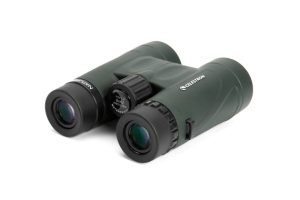
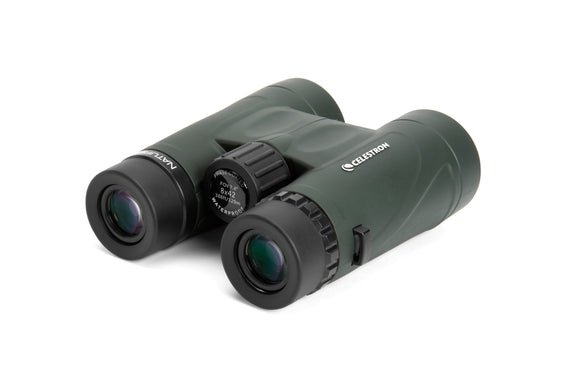
Credit: www.celestron.com
Effects Of Saltwater On Binoculars
Saltwater can damage binoculars by causing rust and corrosion. Rinse them with fresh water quickly after use to remove salt. Dry thoroughly to keep lenses clear and protect waterproof seals.
Corrosion Risks
Saltwater can cause corrosion on metal parts. This weakens the binoculars. Rust may form on screws and hinges. Regular cleaning helps prevent damage. Salt crystals may scratch surfaces. Use a soft cloth for wiping. Avoid harsh chemicals for cleaning.
Lens Damage
Saltwater can harm lenses badly. It leaves spots and marks on the glass. These spots are hard to remove. The lens coating may get damaged too. This affects the view quality. Rinse lenses with clean water gently. Dry them with a soft cloth afterward.
Mechanical Issues
Saltwater exposure may cause mechanical problems. Focus knobs may become stiff or jammed. Moving parts need regular checks. Lubrication might be necessary. Check for sand or salt particles in gears. Clean them carefully to keep binoculars working smoothly.
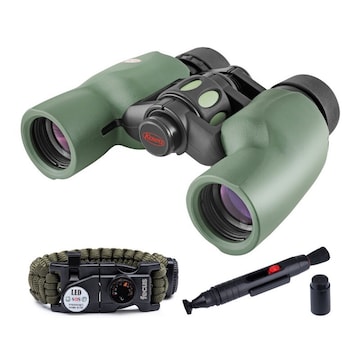
Credit: www.justdial.com
Essential Cleaning Tools
Use soft clothsto avoid scratching the lenses and body. Small brushes help remove dirt from tight spots. Choose brushes with soft bristles.
Mild cleaning solutions work best. Avoid harsh chemicals that may damage seals or coatings. Mix a small amount of mild soapwith water for cleaning.
Distilled waterrinses off salt and dirt without leaving spots. Tap water can leave minerals behind. Use distilled water for the final rinse.
Step-by-step Cleaning Process
Rinse binoculars gently with fresh water to remove salt. Use a soft cloth to wipe all surfaces carefully. Let them air dry completely before storing.
Initial Rinse With Freshwater
Rinse the binoculars gently with clean freshwater to remove salt. Avoid using high-pressure water to protect seals. This step prevents salt from sticking and causing damage. Use lukewarm water for better results. Do not submerge binoculars if unsure about waterproof rating.
Removing Salt Deposits
Use a soft cloth or brush to wipe away salt deposits carefully. Avoid harsh scrubbing to prevent scratches. A mild soap solution can help dissolve stubborn salt. Rinse again with freshwater after cleaning to remove soap. Check all crevices for hidden salt.
Drying Techniques
Pat dry with a clean, soft towel. Avoid rubbing hard to protect lenses and seals. Let binoculars air dry completely in a shaded area. Keep away from direct sunlight or heat sources. Store binoculars in a dry place after drying to prevent mold.
Maintaining Waterproof Seals
Check the waterproof sealscarefully for any cracks or tears. Small damage can let saltwater inside. Use a soft cloth to wipe the seals gently. Avoid using sharp tools that may cause harm.
Apply a small amount of silicone-based lubricantto keep the seals flexible. This helps prevent drying out and cracking. Do this only after cleaning and drying the binoculars well.
- Store binoculars in a cool, dry place away from direct sunlight.
- Use a protective case to avoid dust and dirt.
- Do not store binoculars while they are still wet or salty.
- Keep them away from heat sources that could damage seals.
Preventive Measures For Future Use
Rinsing binoculars with fresh water after saltwater use is essential. It removes salt and sand that cause damage. Use lukewarm water and avoid strong sprays to protect seals. Let binoculars air dry on a soft cloth to prevent scratches.
Store binoculars in a dry, cool place away from direct sunlight. Keep them in a protective case to avoid dust and moisture. Avoid leaving binoculars in hot cars or humid areas for long.
Set a routine maintenance schedule to check seals and lenses. Clean lenses gently with a microfiber cloth. Inspect for corrosion or damage regularly to fix small issues early.

Credit: www.bhphotovideo.com
Frequently Asked Questions
How Do I Rinse Waterproof Binoculars After Saltwater Use?
Rinse binoculars gently with fresh water to remove salt residue. Avoid high pressure to protect seals. Use clean, lukewarm water for best results.
What Cleaning Solutions Are Safe For Waterproof Binoculars?
Use mild soap or lens cleaner designed for optics. Avoid harsh chemicals and abrasive cleaners that can damage coatings and seals.
Can I Use A Cloth To Dry Waterproof Binoculars?
Yes, use a soft microfiber cloth to dry binoculars. Avoid paper towels or rough fabrics that may scratch lenses.
How Often Should I Clean Binoculars After Saltwater Exposure?
Clean binoculars immediately after exposure to saltwater. Frequent cleaning prevents salt buildup and prolongs the device’s lifespan.
Conclusion
Cleaning waterproof binoculars after saltwater use keeps them working well. Rinse them gently with fresh water to remove salt. Dry them with a soft cloth to avoid scratches. Store binoculars in a cool, dry place to protect them. Regular care extends their life and ensures clear views.
Small steps make a big difference. Take time to clean your binoculars right after each trip. Your gear will thank you with better performance next time. Simple habits keep your binoculars ready for any adventure.