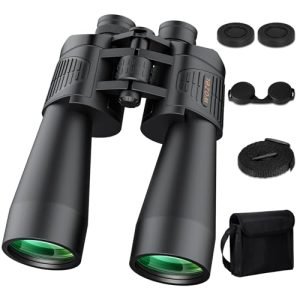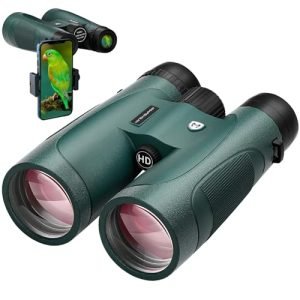
Are you struggling to keep your night vision monocular lenses clear and scratch-free? You know how important it is to have a crisp, clear view when darkness falls.
But cleaning these delicate lenses the wrong way can cause damage and ruin your device. So, what is the best way to clean night vision monocular lenses without risking harm? You’ll discover simple, effective techniques that protect your gear and keep your vision sharp.
Keep reading to learn how to care for your lenses like a pro and get the most out of your night vision experience.

Credit: www.amazon.com
Choosing The Right Cleaning Materials
Choosing soft, lint-free cloths helps protect night vision monocular lenses from scratches. Use gentle cleaning solutions designed for optics to remove dirt without damage. Avoid harsh chemicals and rough materials to keep lenses clear and functional.
Soft Cloths And Lens Tissues
Use a soft, lint-free clothfor cleaning. Lens tissues are also good. They prevent scratches. Do not use rough cloths. Rough cloths can damage lenses.
Lens Cleaning Solutions
Special lens cleaning solutions are best. They remove dirt without harm. Avoid using household cleaners. Household cleaners can damage coatings. Always check the solution label. It should say safe for lenses.
Avoiding Harmful Substances
Never use alcohol-based cleaners. Alcohol can strip lens coatings. Do not use bleach or solvents. These substances are too strong. Keep away from any harsh chemicals. They can ruin your lenses.
Preparing The Monocular For Cleaning
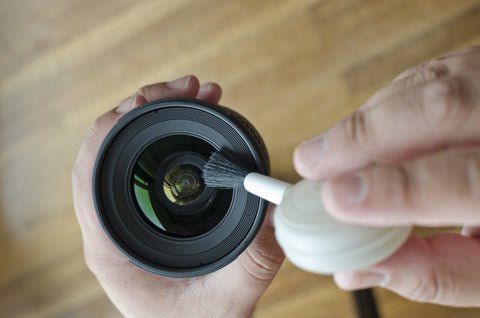
Start by holding the monocular firmlyto avoid drops. Use a soft brush or air blowerto gently remove loose dust and dirt from the lens surface. Avoid using your fingers or rough cloth as they can scratch the lenses.
Keep the device steady on a clean surface while cleaning. Never apply strong pressure to the lens or body. Use both hands to support the monocular when moving it. Make sure your hands are clean and dryto prevent smudges or damage.
Step-by-step Lens Cleaning Process
Use a small amount of cleaning solutionmade for lenses. Avoid household cleaners as they can damagecoatings. Apply the solution to a soft microfiber cloth, not directly on the lens. This helps control the amount and avoids liquid seepage.
Wipe the lens gently in circular motions. Start from the center and move outward. Use light pressure to avoid scratches. If dirt is stuck, do not rub hard. Instead, apply more solution and try again.
Dry the lens by letting it air dry or gently pat with a dry microfiber cloth. Never use paper towels or rough fabrics. These can leave fibersor scratches. Keep the lens in a clean caseafter drying to protect it.
Preventing Damage During Cleaning
Cleaning night vision monocular lensesneeds care to avoid damage. Use only a soft microfiber cloth. Avoid rough materials that can cause scratches. Never use paper towels or tissues. They can leave tiny scratcheson the lens.
Do not spray liquiddirectly on the lens. Instead, dampen the cloth slightly with water or lens cleaner. Wipe gently in a circular motion. Avoid pressing hard, as this can damage the lens coating.
| Do’s | Don’ts |
|---|---|
| Use microfiber cloth | Use rough cloth or paper towels |
| Use lens-safe cleaning fluid | Spray liquid directly on lens |
| Wipe gently in circular motion | Apply strong pressure when wiping |
| Keep lens covered when not in use | Touch lens with fingers |
Maintaining Lenses Between Cleanings
Keep your night vision monocular lenses safe by storing them in a clean, dry place. Avoid places with dust or moisture that can harm the lenses. Use a soft pouch or a hard case to protect the device from scratches or impacts. Always keep the lens caps on when not in use to stop dirt from settling on the glass.
Check the lenses often for dust, smudges, or damage. Use a soft brush or air blower to remove loose dirt. Avoid touching the lenses with fingers as oils can leave marks. If you see any scratches or cracks, get the monocular checked by a professional to keep it working well.

Credit: www.youtube.com
When To Seek Professional Cleaning
Signs of lens damageinclude scratches, cracks, or fog inside the lens. Dirt that won’t come off with gentle cleaning also shows damage. Blurred or unclear vision means the lens needs attention. Dust trapped inside the lens is a sign for professional help. Avoid using household cleaners that may cause more harm.
Professional servicesoffer thorough cleaning without risking lens damage. Experts use tools that clean inside and outside lenses safely. They can fix minor scratches and remove dust trapped deep inside. Professionals also check the lens for any hidden problems. This ensures your monocular works well for a long time.
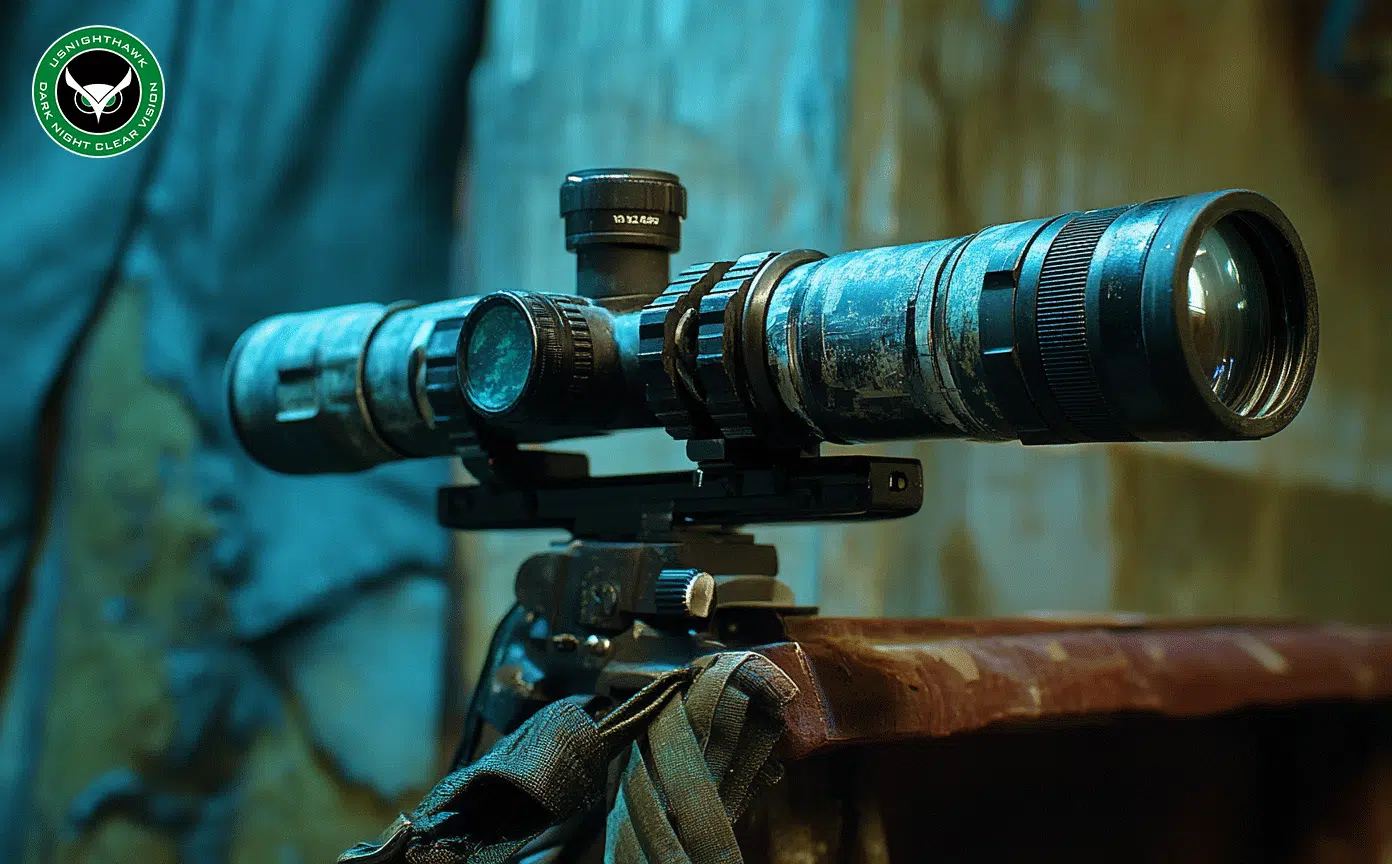
Credit: www.usnighthawk.com
Frequently Asked Questions
How Do I Safely Clean Night Vision Monocular Lenses?
Use a soft microfiber cloth to gently wipe the lenses. Avoid harsh chemicals and use lens cleaner specifically for optics. Never apply pressure to prevent scratches or damage to the coating.
What Materials Are Best For Cleaning Night Vision Lenses?
Use a microfiber cloth and lens cleaning solution designed for optical lenses. Avoid paper towels, tissues, or rough fabrics that can scratch the surface.
Can I Use Household Cleaners On Night Vision Lenses?
No, household cleaners can damage the lens coatings. Always use products designed for delicate optical lenses to maintain clarity and performance.
How Often Should I Clean Night Vision Monocular Lenses?
Clean lenses only when necessary to avoid wear. Regularly inspect for dirt or smudges and clean gently when needed to maintain optimal vision.
Conclusion
Cleaning night vision monocular lenses gently protects their quality. Use a soft brush or cloth to remove dust carefully. Avoid harsh chemicals that can damage the lens coating. Always clean in small, circular motions to prevent scratches. Dry the lenses well before storing them safely.
Regular cleaning keeps your device clear and ready to use. Proper care extends the life of your monocular. A clean lens means better night vision performance every time. Simple steps make a big difference in lens care.