When you need rescue binoculars, every second counts. You want gear that won’t let you down when it matters most.
But with so many options out there, how do you know which features truly make a difference? You’ll discover the key qualities that will help you spot what’s important quickly and clearly. By understanding these features, you’ll be better prepared to choose binoculars that can save lives and give you confidence in any emergency.
Keep reading to find out what your rescue binoculars must have to perform at their best.

Credit: www.wildtimeoutdoors.com
Key Features For Rescue Binoculars
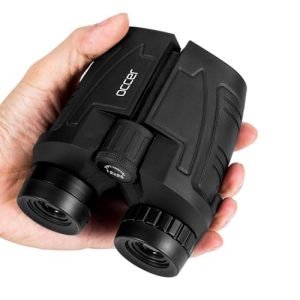
Rescue binoculars must have special features to help in emergencies. These features make it easier to see far and work in tough conditions.
Choosing the right binoculars can improve search and rescue efforts. It is important to know what features matter most.
Durability And Waterproofing
Rescue binoculars need to be strong and last in rough weather. They should resist water, dust, and shocks.
Waterproof binoculars work well in rain and wet places. Shockproof designs protect lenses and parts from damage.
- Waterproof seals and coatings
- Rubber armor for shock absorption
- Corrosion-resistant materials
Magnification And Lens Quality
Good magnification helps to see objects clearly at long distances. Lens quality affects sharpness and brightness.
Choose binoculars with clear glass and anti-reflective coatings. A balance between magnification and stability is important.
- Magnification between 7x and 10x
- Large objective lenses for more light
- Multi-coated lenses for better clarity
A wide field of view lets you see more area at once. This helps to find people or objects quickly.
Binoculars with a narrow view may miss important details. Choose ones with a wide, clear view.
- Wide angle lenses
- Minimum 300 feet field of view at 1000 yards
- Easy to scan large areas
Lightweight And Comfortable Design
Rescue workers carry binoculars for long times. Lightweight models reduce fatigue and make use easier.
Comfortable grips and adjustable eyecups help with long use. The design should fit different users well.
- Light materials like aluminum or plastic
- Rubber grips for secure hold
- Adjustable eyecups for glasses wearers
Rescue may happen in dark or low light conditions. Binoculars that work well in these settings are very useful.
Look for models with good light-gathering lenses or night vision features. This helps to see clearly at night.
- Large objective lenses for more light
- Night vision or infrared options
- Bright and clear images in dim light
Easy Focus And Adjustments
Quick and smooth focusing helps find targets fast. Adjustable settings make it easy to use for different users.
Look for binoculars with a central focus wheel and easy diopter adjustment. This saves time during rescues.
- Central focus knob
- Diopter adjustment for eye differences
- Smooth and quick focusing mechanism
Magnification And Lens Size
Choosing the right magnification and lens size is key for rescue binoculars. These features affect how far and how clear you can see objects.
Good rescue binoculars help you spot people or objects quickly in emergencies. Understanding magnification and lens size helps you pick the best pair.
Magnification
Magnification shows how much closer an object appears. For example, 8x means the object looks eight times closer.
High magnification can make distant objects clear but may be hard to hold steady. Lower magnification offers a wider view and is easier to use.
- 8x to 10x magnification is common for rescue binoculars
- Higher magnification narrows the field of view
- Lower magnification helps find targets faster
Lens Size
Lens size means the diameter of the front lenses in millimeters. Larger lenses let in more light for a brighter image.
Big lenses improve vision in low light, such as fog or at night. But large lenses make binoculars heavier and bulkier.
- Lens sizes between 30mm and 50mm are typical
- Larger lenses are better for dim or dark conditions
- Smaller lenses are lighter and easier to carry
Durability And Build Quality
Rescue binoculars must withstand tough conditions. Their durability and build quality keep them reliable in emergencies.
Strong materials and smart design help binoculars survive impacts and bad weather. This ensures clear vision when needed.
Waterproof And Fogproof
Waterproof and fogproof features protect binoculars from rain, splashes, and moisture. These features keep the lenses clear and dry.
- Sealed O-rings prevent water from entering the binocular body
- Special coatings stop internal fogging caused by temperature changes
- Waterproof models often float, making them easy to retrieve if dropped in water
Shock Resistance
Shock resistance helps binoculars survive drops and bumps during rescue operations. This feature keeps the device working well.
| Feature | Benefit |
| Rubber Armor Coating | Absorbs impacts and prevents scratches |
| Reinforced Frame | Strengthens the body to avoid breakage |
| Internal Lens Mounts | Keeps lenses stable and aligned after shocks |
Field Of View
The field of view in rescue binoculars shows how wide an area you can see. A larger field of view helps you spot objects faster. This is very useful in rescue missions.
Choosing binoculars with the right field of view makes searching easier. It reduces eye strain and improves accuracy when scanning large areas.
Why Field Of View Matters
A wide field of view lets you see more without moving the binoculars. This saves time and energy during an emergency search.
Binoculars with a narrow field of view require more scanning. This can slow down rescue efforts and cause you to miss important details.
How Field Of View Is Measured
The field of view is often given in feet or meters at 1000 yards or meters. It tells how wide the view is at a fixed distance.
| Field of View | Width Seen at 1000 Yards |
| Wide | 350 feet or more |
| Medium | 250 to 350 feet |
| Narrow | less than 250 feet |
Field Of View And Magnification
Higher magnification usually means a smaller field of view. Rescue binoculars balance magnification and field of view for clear and wide images.
- Low magnification: wider view, less detail
- High magnification: narrow view, more detail
- Medium magnification: good balance for rescue
Night Vision And Low Light Performance
Rescue binoculars must work well in dark or dim conditions. Night vision and low light performance help users see clearly when light is scarce.
These features are vital for search and rescue missions that happen at night or in shaded areas. Good binoculars increase the chances of finding someone quickly.
Night Vision Technology
Night vision helps users see objects in total darkness. It uses special sensors to amplify available light. Some binoculars use infrared light to improve visibility.
There are two main types of night vision in binoculars. The first type uses digital sensors similar to a camera. The second type uses image intensifiers to brighten images.
Low Light Performance Features
Low light performance means binoculars work well in dawn, dusk, or shaded places. Key features that help include larger objective lenses and good lens coatings.
- Objective Lens Size:Larger lenses let in more light.
- Lens Coatings:Special coatings reduce glare and improve light transmission.
- Aperture:A wide aperture gathers more light for brighter images.
- Prism Quality:High-quality prisms improve image clarity in low light.
Comparison Of Night Vision And Low Light Binoculars
| Feature | Night Vision Binoculars | Low Light Binoculars |
| Light Source | Amplifies infrared or ambient light | Relies on natural light |
| Power | Needs batteries | No power needed |
| Image Quality | May show greenish or black-and-white images | Full color images |
| Use Case | Complete darkness or very low light | Dawn, dusk, or shadows |
| Weight | Usually heavier | Generally lighter |
Credit: www.wexphotovideo.com
Weight And Portability
Rescue binoculars must be easy to carry during emergencies. Their weight affects how long you can hold or wear them.
Portability ensures you can move quickly and use the binoculars whenever needed. Bulky or heavy devices slow you down.
Lightweight Design
Light binoculars reduce arm strain and fatigue. This is important during long search or rescue operations.
- Look for models under 1.5 pounds (700 grams)
- Use materials like magnesium or plastic for the body
- Choose compact sizes that fit your hand
Compact Size
Compact binoculars fit easily into a backpack or pocket. They do not get in the way during fast movements.
| Size Feature | Benefit |
| Small folded length | Easier to store and carry |
| Slim body | Fits better in hands and pockets |
| Collapsible eyecups | Protect lenses and reduce size |
Carrying Options
Good carrying options add to portability. Straps and cases keep binoculars ready and safe.
- Neck or shoulder straps for easy access
- Protective cases that attach to belts or bags
- Water-resistant covers to guard against rain
Ease Of Use And Adjustability
Rescue binoculars must be easy to use in tough conditions. Quick and simple adjustments help users focus fast.
Adjustability ensures comfort and clear vision for different users. It makes the binoculars suitable for long use.
Focus Mechanism
The focus mechanism should be smooth and fast. Users often need to adjust focus quickly to spot details.
Large focus wheels are easier to turn with gloves or wet hands. This feature is important in rescue work.
- Central focus wheel for quick adjustments
- Individual eyepiece focus for precise tuning
- Easy-to-turn knobs, even with gloves
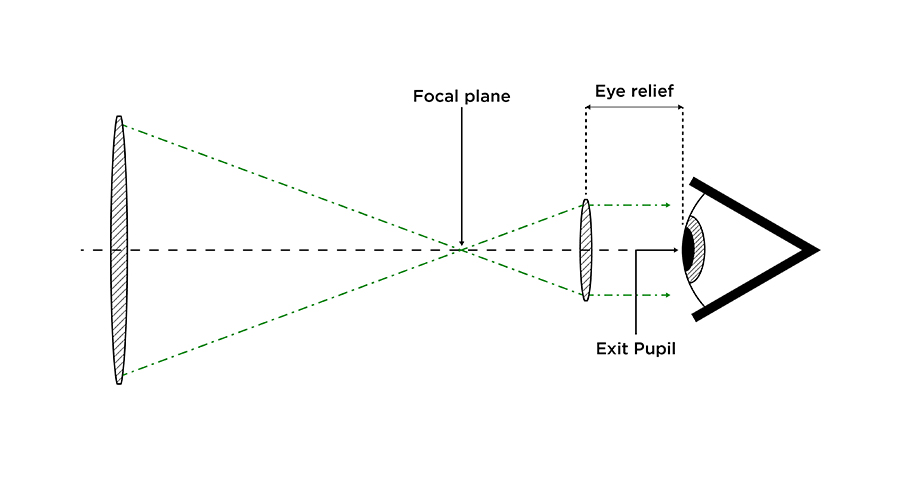
Eye Relief
Eye relief is the distance between your eye and the binocular lens. Longer eye relief helps users see clearly without strain.
Good eye relief is important for people who wear glasses. It lets them see the full image without moving the binoculars.
- At least 15mm eye relief for comfortable viewing
- Adjustable eyecups to fit different users
- Helps reduce eye fatigue during long use

Credit: gtguardhunt.com
Additional Functionalities
Rescue binoculars need extra features to help in tough situations. These tools make rescues safer and easier.
Extra functions can guide rescuers and improve their accuracy. Let’s look at two important add-ons.
Rangefinder Integration
Rangefinder integration helps measure the distance to objects. This feature saves time and improves decision-making.
Knowing the exact range helps rescuers plan their approach and estimate travel time. It can also improve communication.
- Quick distance measurement
- Improves safety by avoiding hazards
- Helps estimate location of victims
- Useful in low visibility conditions
Compass And Gps
A built-in compass helps rescuers keep their direction. GPS shows exact locations on maps and tracks routes.
These tools reduce the chance of getting lost. They also help teams coordinate during a rescue mission.
- Compass shows heading and bearings
- GPS provides coordinates and waypoints
- Helps navigate in unfamiliar areas
- Supports team coordination and tracking
Frequently Asked Questions
What Magnification Is Ideal For Rescue Binoculars?
Ideal magnification for rescue binoculars is between 7x and 10x. This range balances clear detail and a wide field of view. It helps rescuers spot targets quickly without image shakiness or narrow vision.
Why Is Waterproofing Essential For Rescue Binoculars?
Waterproofing protects binoculars from rain, splashes, and wet conditions. It ensures functionality during rescue missions in harsh environments. Durable seals and coatings keep moisture out, preventing internal damage and fogging.
How Important Is Durability In Rescue Binoculars?
Durability is crucial for rescue binoculars to withstand rough handling and extreme conditions. Shockproof and rugged designs ensure reliability during emergencies. Strong materials protect lenses and mechanisms from damage.
What Role Does Lens Coating Play In Rescue Binoculars?
Lens coatings reduce glare and enhance light transmission. They improve image brightness and clarity in low-light or foggy conditions. Quality coatings help rescuers see targets more clearly and quickly.
Conclusion
Choosing the right rescue binoculars means focusing on key features. Clear vision and strong magnification help spot distant objects. Waterproof and durable designs ensure they work in tough weather. Lightweight and comfortable binoculars make long use easier. Bright lenses improve visibility in low light.
Easy-to-use controls save time during emergencies. These features together create reliable rescue binoculars. Keep them ready for safety and quick action. Your choice can make a real difference in rescue efforts.