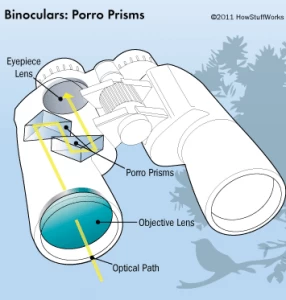
Are you curious about what makes your roof prism binoculars deliver such clear, sharp views? The secret lies in the special coatings applied to their lenses and prisms.
These coatings play a huge role in how well your binoculars perform, affecting everything from brightness to color clarity. Understanding these coatings can help you choose the right binoculars and get the best experience every time you use them. Keep reading to discover exactly what coatings roof prism binoculars use and why they matter to your viewing adventures.
Types Of Roof Prism Binocular Coatings
Roof prism binoculars have special coatings on their lenses and prisms. These coatings improve image quality and protect the optics. Different coatings serve different purposes.
Coatings help reduce glare, increase brightness, and protect lenses from damage. Below are the main types of coatings used in roof prism binoculars.
Anti-reflective Coatings
Anti-reflective coatings reduce light reflection on lens surfaces. This lets more light pass through the lenses. It helps produce brighter and clearer images.
These coatings also reduce glare and eye strain. They improve the overall viewing experience in different lighting conditions.
- Improve light transmission
- Reduce glare and reflections
- Enhance image clarity
Phase Correction Coatings
Phase correction coatings are applied to the prisms inside roof prism binoculars. These coatings fix phase shifts in light waves caused by the prism.
This correction improves image sharpness and color accuracy. Without these coatings, images may look blurry or less clear.
- Fix phase shifts in light waves
- Increase image sharpness
- Improve color fidelity
Mirror Coatings
Mirror coatings are thin metal layers applied to prism surfaces. They reflect light inside the binocular to improve brightness. These coatings help maintain a compact design.
They increase light reflection efficiency and reduce light loss. This results in clearer and brighter images, especially in low light.
- Reflect light inside the prism
- Increase brightness
- Help keep binoculars compact
Protective Coatings
Protective coatings guard lenses and prisms against scratches and dirt. These coatings make the binoculars more durable. They also help repel water and oil.
Many protective coatings are easy to clean. They keep the optics clear and safe during outdoor use.
- Prevent scratches and damage
- Repel water, dust, and oil
- Make cleaning easier

Credit: www.amazon.ca
Benefits Of Anti-reflective Coatings
Roof prism binoculars use special coatings on their lenses. Anti-reflective coatings reduce light loss and reflections. These coatings help you see clearer and brighter images.
These coatings also protect the lenses and improve overall viewing comfort. They make binoculars more effective in different lighting conditions.
Improved Light Transmission
Anti-reflective coatings let more light pass through the lenses. This means brighter and sharper images.
Without these coatings, some light bounces off the lens surface. This reduces the amount of light that reaches your eyes.
- More light means better image brightness
- Clearer details in low light conditions
- Better color accuracy and contrast
Reduced Glare And Reflections
Glare and reflections can blur the view and cause eye strain. Anti-reflective coatings lower these unwanted effects.
These coatings help reduce bright spots and light flares. This makes it easier to focus on distant objects.
- Less eye strain during long use
- Clearer views in bright sunlight
- Improved visibility in tricky light
Role Of Phase Correction Coatings
Phase correction coatings improve image quality in roof prism binoculars. They work by fixing light wave shifts inside the prism system.
These coatings help deliver clear, sharp images with accurate colors. They are essential for high-performance binoculars.
Enhancing Image Sharpness
Roof prism binoculars use phase correction coatings to reduce light scattering. This prevents blurry images and increases sharpness.
- Corrects phase shifts caused by the prism
- Improves contrast and detail clarity
- Reduces image blur and ghosting effects
- Allows better resolution at different distances
Maintaining Color Accuracy
Phase correction coatings support the natural colors seen through binoculars. They stop unwanted color distortions caused by prisms.
| Benefit | Effect on Image |
| Improved Light Transmission | Brighter views with richer colors |
| Reduced Chromatic Aberration | Colors remain true and balanced |
| Minimized Color Fringing | Edges appear clean without color blur |
Mirror Coatings And Their Uses
Roof prism binoculars use mirror coatings to improve image quality. These coatings are thin layers on prism surfaces.
Coatings help reflect light efficiently inside the binoculars. They reduce light loss and increase brightness.
Increasing Brightness
Mirror coatings boost brightness by reflecting more light. They make images clearer and easier to see.
Coatings use metals like silver or aluminum. Silver reflects light best but can be costly.
- Aluminum coatings are durable and affordable
- Silver coatings offer higher reflectivity
- Dielectric coatings provide very high reflectance with durability
Applications In Low-light Conditions
Mirror coatings help binoculars perform well in low light. They let more light pass through prisms.
This makes it easier to see at dawn, dusk, or in shaded areas. Coatings improve image brightness in these conditions.
- Nighttime wildlife watching
- Bird watching in forests
- Hiking during early morning or late evening
Importance Of Protective Coatings
Roof prism binoculars use special coatings to protect lenses and prisms. These coatings keep the optics clear and durable. They help the binoculars last longer in tough conditions.
Protective coatings improve the viewing experience by reducing damage and improving clarity. This makes the binoculars reliable for outdoor use.
Scratch Resistance
Scratch-resistant coatings protect the lenses from damage. This is important because scratches can blur images and reduce quality. These coatings make the lens surface harder and more durable.
- Prevent marks from rough handling
- Keep lenses clear for sharp images
- Extend the life of the binoculars
Water And Fog Proofing
Water and fog proof coatings stop moisture from affecting the optics. These coatings help binoculars work well in rain or humid weather. They keep the lenses clear and prevent fog inside the binoculars.
| Coating Type | Benefit |
| Hydrophobic Coating | Repels water drops on lenses |
| Anti-Fog Coating | Prevents fog inside lenses |
| Sealed O-Rings | Keeps moisture and dust out |
How Coatings Affect Binocular Performance
Roof prism binoculars use special coatings on their lenses and prisms. These coatings help improve the image quality and protect the lenses. They reduce glare and increase light transmission.
Coatings make a big difference in how clear and bright the view is. They also help the binoculars last longer by protecting them from damage.
Clarity And Contrast
Coatings reduce reflections on the lenses and prisms. This means more light passes through and reaches your eyes. Better light transmission gives clearer and brighter images.
Anti-reflective coatings also improve contrast. They make colors look sharper and details stand out. This helps you see objects more clearly in low light or bright conditions.
- Multi-coated lenses increase light transmission
- Phase-correction coatings improve image sharpness
- Anti-reflective coatings reduce glare and reflections
Durability And Maintenance
Coatings protect the lenses from scratches and dirt. Some coatings also repel water and oil. This makes the binoculars easier to clean and use in wet weather.
Durable coatings help keep the binoculars working well for a long time. They prevent damage from dust, moisture, and rough use. This saves you money on repairs or replacements.
- Scratch-resistant coatings protect lenses
- Water-repellent coatings help in rainy conditions
- Oil-repellent coatings reduce smudges and fingerprints
Comparing Coating Quality In Different Brands
Roof prism binoculars use special lens coatings to improve image clarity. These coatings reduce glare and increase light transmission. Different brands apply coatings with varying quality and technology.
Understanding the coating types helps you choose binoculars that fit your needs and budget. Let’s look at how budget and premium options compare, and what to check before buying.
Budget Vs Premium Options
Budget binoculars usually have basic coatings. They might use single or multi-coated lenses but with less durable materials. Premium binoculars use fully multi-coated lenses with extra layers. These coatings offer better light transmission and sharper images.
| Feature | Budget Coatings | Premium Coatings |
|---|---|---|
| Coating Type | Single or Multi-Coated | Fully Multi-Coated |
| Light Transmission | 60% – 85% | 90% – 98% |
| Durability | Lower | High with protective layers |
| Glare Reduction | Moderate | Excellent |
| Water & Fog Resistance | Sometimes | Usually Standard |
What To Look For When Buying
Check the coating details in the product specs. Look for fully multi-coated lenses for best clarity. Also, consider coatings on prisms like phase correction coatings. These improve sharpness and contrast.
- Lens coating type (single, multi, or fully multi-coated)
- Prism coating (phase correction, dielectric)
- Durability of coatings against scratches
- Waterproof and fog proof features
- Brand reputation for coating quality
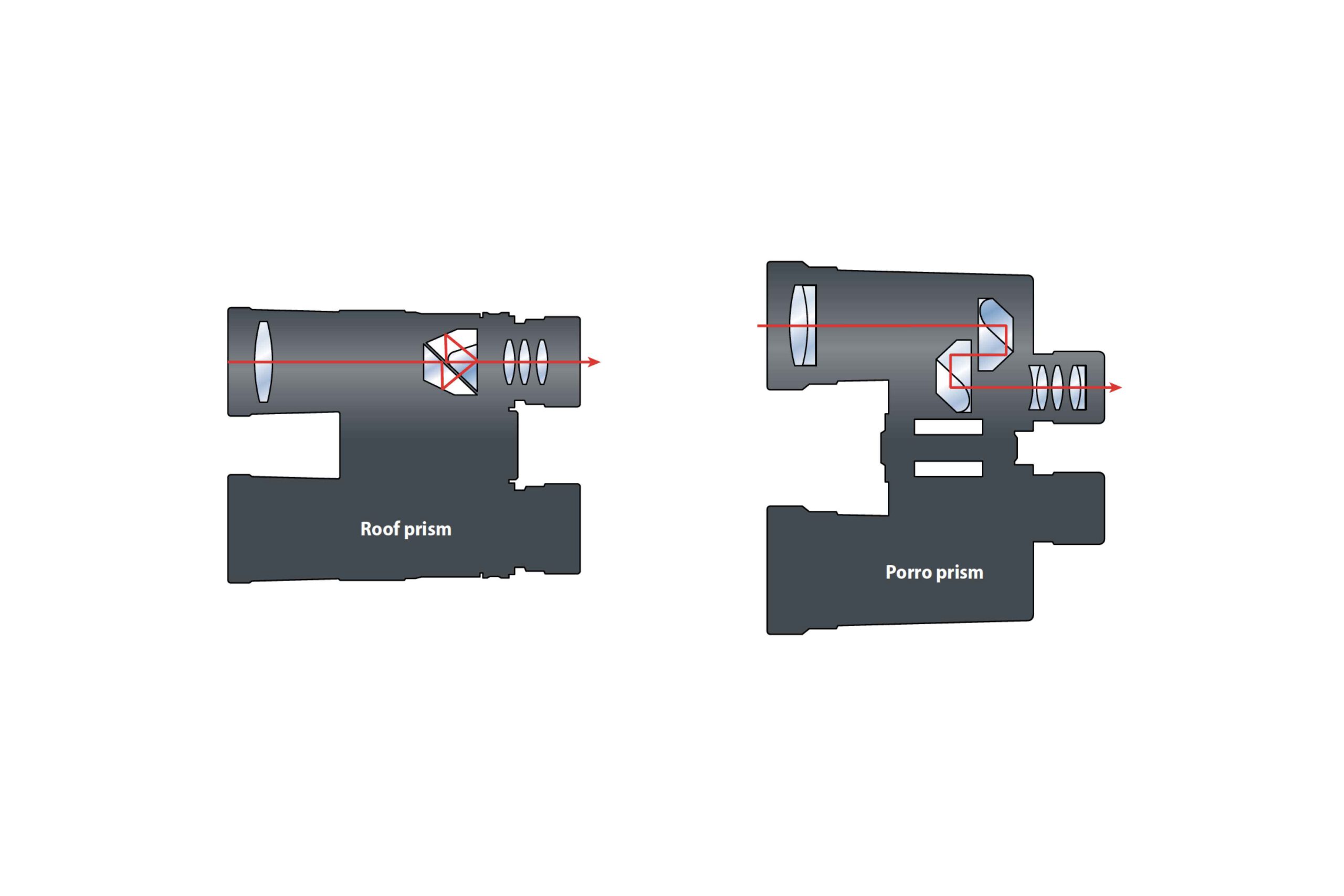
Credit: www.astronomy.com

Credit: wildonline.blog
Frequently Asked Questions
What Coatings Enhance Roof Prism Binoculars’ Image Quality?
Roof prism binoculars use anti-reflective coatings to reduce light loss. These coatings improve brightness, contrast, and clarity for sharper images.
Why Are Phase Correction Coatings Important In Roof Prisms?
Phase correction coatings correct light phase shifts in roof prisms. They boost resolution and contrast, resulting in clearer, more detailed views.
How Do Waterproof Coatings Protect Roof Prism Binoculars?
Waterproof coatings seal binoculars against moisture and dust. This protection ensures durability and performance in harsh outdoor environments.
What Role Do Anti-scratch Coatings Play On Lenses?
Anti-scratch coatings safeguard lenses from damage during use. They maintain lens clarity and extend the binoculars’ lifespan.
Conclusion
Roof prism binoculars use various coatings for better performance. These coatings enhance light transmission. They reduce glare and improve image clarity. Multi-coated lenses are common in quality binoculars. They provide bright, sharp views. Coatings also protect lenses from scratches. This extends the lifespan of your binoculars.
When choosing, consider coating quality. It impacts your viewing experience. Knowledge of coatings helps in making the right choice. Always opt for binoculars with good coatings for optimal use. Enjoy clear, vibrant images with the right binoculars. Your outdoor adventures will be more fulfilling.