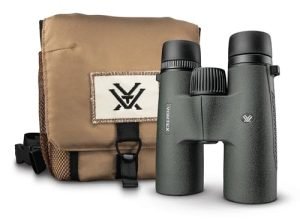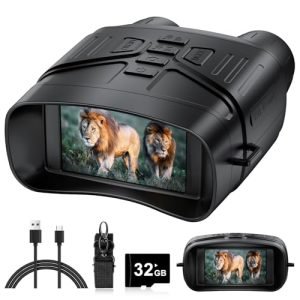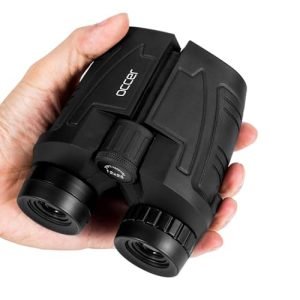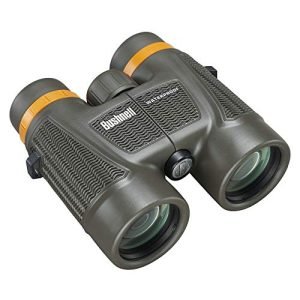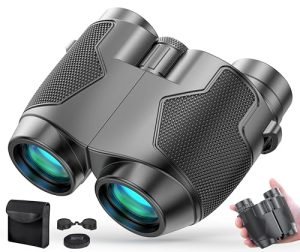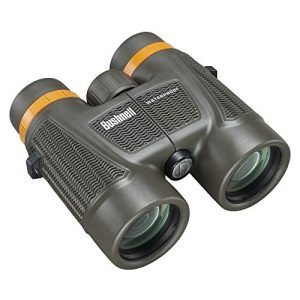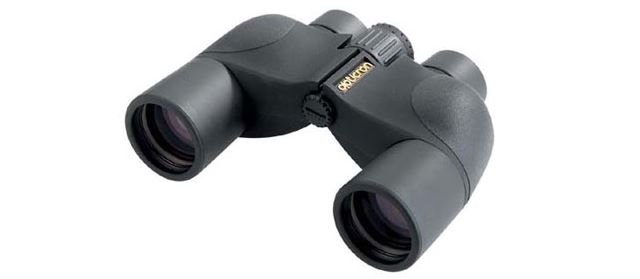
Are you ready to see wildlife like never before? Choosing the right binoculars can completely change your outdoor experience.
Whether you’re spotting birds in spring or tracking animals in winter, your binoculars need to work well in every season. But with so many options out there, how do you pick the perfect pair for all-year wildlife watching? Keep reading, and you’ll discover simple tips to find binoculars that fit your needs, enhance your view, and make every wildlife moment unforgettable.
Types Of Binoculars
Compact binocularsare small and light. They fit easily in pockets and are great for travel. Ideal for quick trips and short wildlife watching sessions.
Full-size binocularsare bigger and heavier. They offer better image qualityand brighter views. Best for long wildlife watching days and low light conditions.
| Type | Shape | Advantages | Disadvantages |
|---|---|---|---|
| Roof Prism | Straight barrel | Compact, lightweight, easy to hold | Usually more expensive |
| Porro Prism | Wider, angled barrels | Better depth perception, wider view | Larger and bulkier |
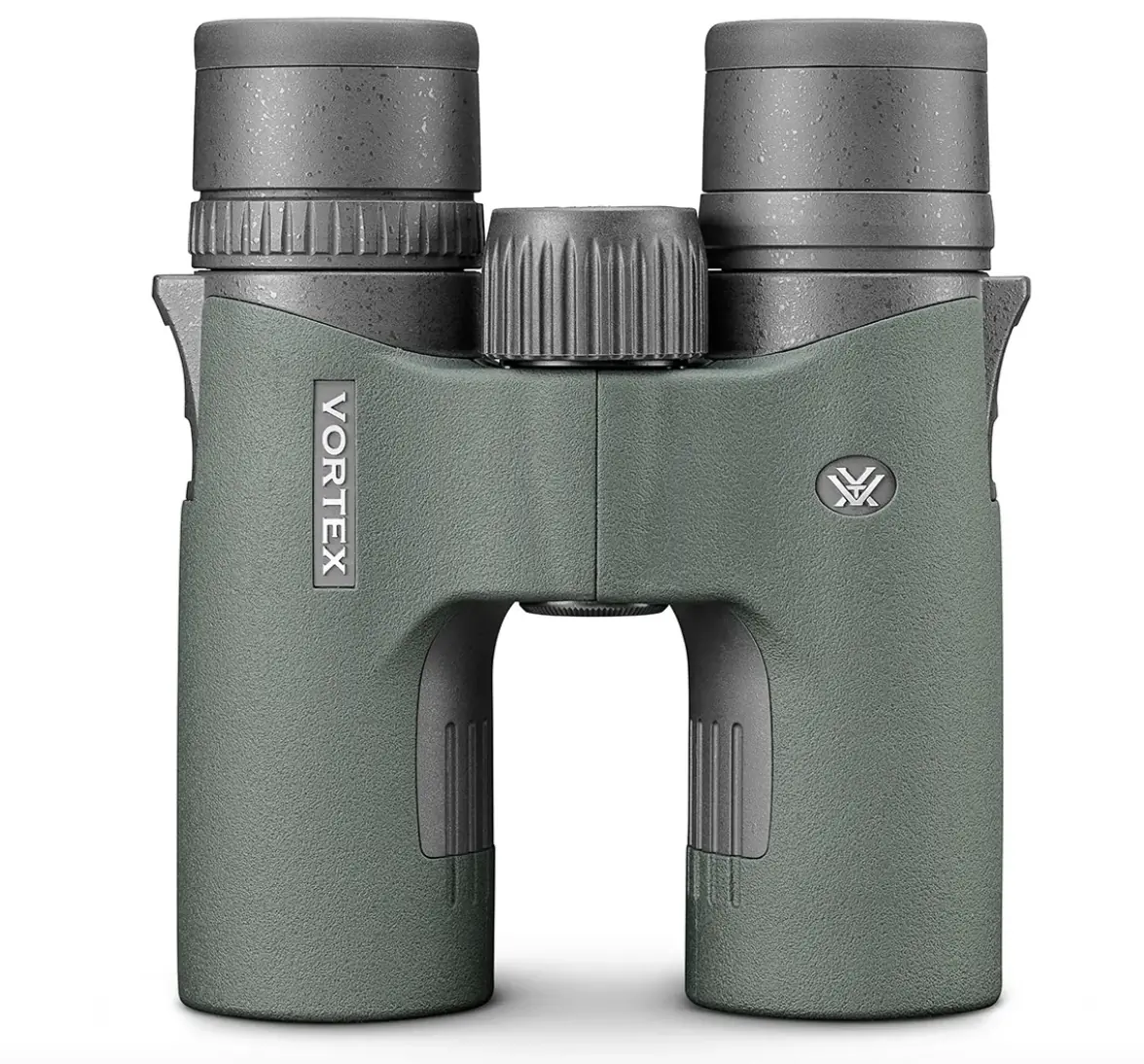
Credit: gearjunkie.com
Key Features To Consider
Magnificationtells how close objects appear. Higher magnification means closer view but can shake more. For wildlife, 8x to 10x is best.
Objective lens diametershows how much light enters. Bigger lenses give brighter, clearer images. Look for 32mm to 42mm for all seasons.
Field of viewis how wide you see through binoculars. A wider field helps find animals faster. Check specs for degrees or feet at 1000 yards.
Close focusmeans how near you can see clearly. Good for watching insects or plants. Choose binoculars with close focus under 6 feet.
Lens Coatings And Quality
Lens coatingshelp improve light transmission and reduce glare. Multi-coated lenseshave coatings on some surfaces, boosting image clarity. Fully multi-coated lenseshave coatings on all air-to-glass surfaces. This means brighter and sharper views, especially in low light.
Glass qualityaffects image sharpness and color. Higher quality glass reduces distortion and gives clearer details. Look for binoculars with ED (extra-low dispersion) glassfor better color and contrast. Good glass helps you see wildlife more clearly in all seasons.
Weather Resistance
Waterproof binocularsare fully sealed to keep water out. They work well in heavy rain or wet conditions. Water-resistant binocularscan handle light rain but not full water exposure. Choose based on the weather you expect.
Fog proof binocularsprevent lens fogging inside the barrels. They have special gas inside to stop moisture build-up. This is important in cold or humid places. Fog can blur your view and make wildlife watching hard.
| Feature | Benefits |
|---|---|
| Waterproof | Protects against heavy rain and submersion |
| Water-Resistant | Handles light rain and splashes |
| Fog Proof | Prevents inside lens fogging in cold or humid weather |
Comfort And Ergonomics
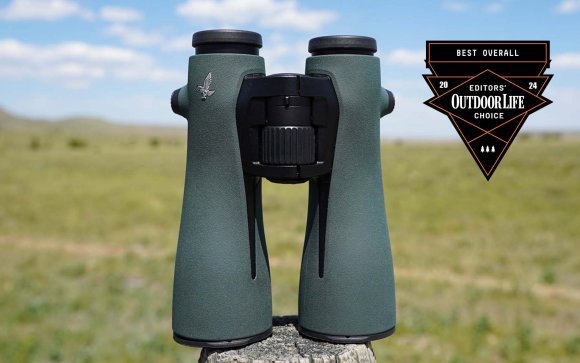
Weight and size matter a lot for comfort. Heavy binoculars tire your arms fast. Smaller sizes fit well in your hands. They are easy to carry on long walks. Choose binoculars that feel good to hold.
Eye relief is key for clear viewing. It means the distance your eye can be from the lens. Good eye relief lets you see the full view without moving your eye. This is great for people who wear glasses. Longer eye relief means more comfort and better sight.
Credit: www.outdoorlife.com
Budget Considerations
Choosing binoculars means balancing costand quality. Cheaper models can work but might lack durability. Expensive ones offer better lensesand longer life. Think about how often you will use them. If wildlife watching is regular, investing more makes sense.
Look for features like waterproofingand fog resistance. These add to the cost but protect your binoculars in all seasons. Sometimes, a mid-range model offers the best balance.
| Price Range | Features | Best For |
|---|---|---|
| Low | Basic optics, less durable | Casual use, beginners |
| Mid | Good optics, some weatherproofing | Regular use, multi-season |
| High | Excellent optics, fully weatherproof | Frequent use, professional |
Brand Reputation And Reviews
Trusted brandsoften offer binoculars with better build quality and clear lenses. They invest in research to improve the viewing experience. Brands known for wildlife watching gear usually have models designed for different seasons and weather conditions. Choosing a reputable brand can mean better durability and customer support.
Customer feedbackprovides real insights into product performance. Reviews often mention comfort, clarity, and ease of use. Look for patterns in reviews to spot common issues or praised features. Verified buyers share honest opinions about how binoculars handle various outdoor conditions. This helps in making a smart choice.
Testing Before Buying
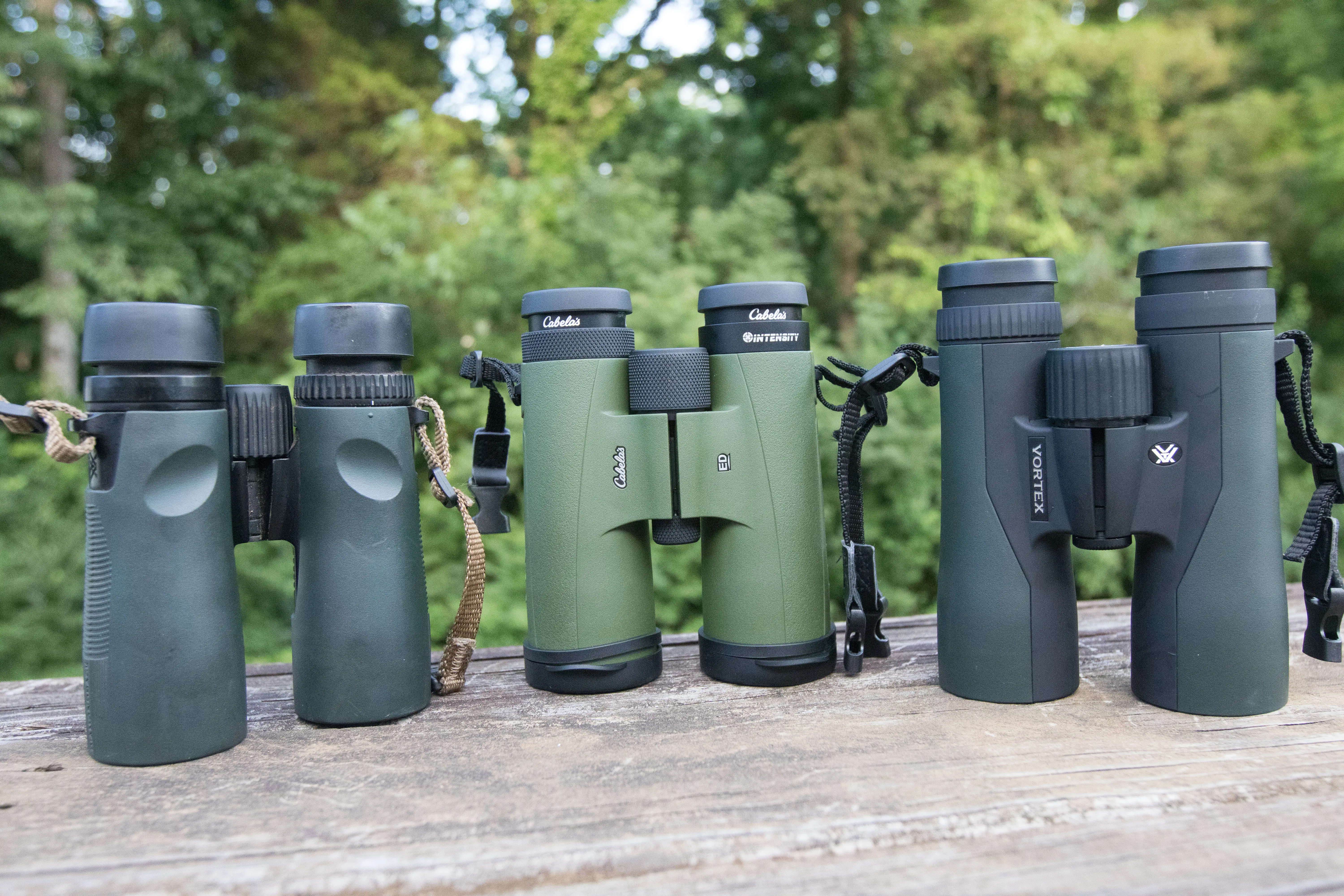
Testing binoculars before buying helps find the perfect fit. In-store trialslet you hold and use different models. Feel the weight and grip in your hands. Check the view clarityand focus ease. Try spotting objects at various distances. This hands-on experience reveals comfort and performance.
Online researchsupports your choice with reviews and ratings. Compare specs like magnification, field of view, and lens quality. Watch videos to see binoculars in action. Read user comments for real-world insights. This info helps narrow down your options before buying.
Credit: gearjunkie.com
Frequently Asked Questions
What Magnification Is Best For Multi-season Wildlife Watching?
A 8x to 10x magnification is ideal for wildlife watching. It offers a good balance between zoom and image stability. Higher magnification may cause shaky images and narrow the field of view. This range suits most environments and wildlife distances effectively.
How Important Is Lens Size In Binoculars For Wildlife?
Lens size affects brightness and clarity, especially in low light. Larger lenses (around 42mm) gather more light, improving visibility during dawn or dusk. However, bigger lenses increase weight. Choose a size that balances image quality and comfort for long outdoor use.
Should I Choose Waterproof Binoculars For All Seasons?
Yes, waterproof binoculars are essential for multi-season wildlife watching. They protect against rain, snow, and humidity. This feature ensures durability and clear viewing in varied weather conditions. Opt for binoculars with fog-proof seals for added reliability.
What Field Of View Is Suitable For Wildlife Observation?
A wide field of view (around 300 feet at 1000 yards) helps track moving animals easily. It allows you to scan large areas without moving the binoculars frequently. This is especially useful in dense forests or open landscapes.
Conclusion
Choosing the right binoculars makes wildlife watching more fun. Think about size, weight, and lens quality. Durability matters for all seasons and weather. Comfort helps you watch longer without strain. Bright, clear images bring animals closer. Test different models before buying to find your fit.
Good binoculars turn nature’s details into memorable moments. Enjoy every outdoor adventure with the best view.