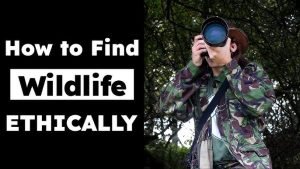
Are you ready to capture stunning wildlife photos but struggle to spot your subjects clearly? Using binoculars can transform the way you see and photograph animals in their natural habitat.
Imagine being able to zoom in on a distant bird or a shy deer without disturbing them. You’ll discover simple, practical tips to use binoculars effectively for wildlife photography. By the end, you’ll feel confident spotting and focusing on animals, making your photos sharper and more impressive.
Keep reading to unlock the secret to better wildlife shots with just one tool in your hands.

Credit: www.facebook.com
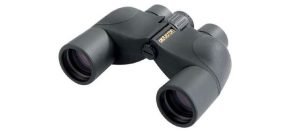
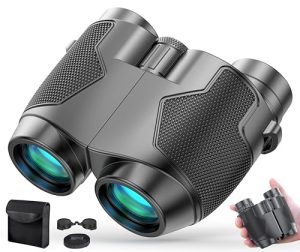
Choosing The Right Binoculars
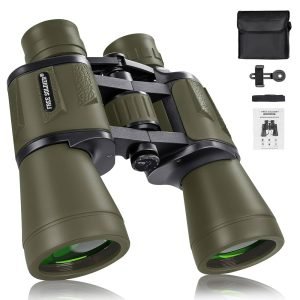
Magnificationshows how close the object appears. A 8x or 10x magnification is good for wildlife. Lens diameterlets in light; bigger lenses help in low light but are heavier.
Field of viewmeans how wide you can see. A wider field helps find animals fast. Check the angle or width in feet or meters at 1000 yards or meters.
Weightaffects how long you can hold binoculars. Light models are easier to carry on walks. Portabilitymeans how easy they fit in bags or hang on your neck.
| Feature | What to Look For | Why It Matters |
|---|---|---|
| Magnification | 8x to 10x | Clear view, not too shaky |
| Lens Diameter | 32mm to 42mm | Good light, balance weight |
| Field of View | Wide angle | Easier to find animals |
| Weight | Lightweight | Comfort for long use |
| Portability | Compact size | Easy to carry and store |
Understanding Binocular Features
Prism typesaffect binocular size and image quality. Roof prisms are compact and lightweight, good for travel. Porro prisms offer better depth and wider views but are bulkier.
Coating qualityimproves light transmission and reduces glare. Fully multi-coated lenses give the clearest, brightest images. Look for coatings that protect against scratches and water.
The focusing mechanismcontrols sharpness. Central focus wheels adjust both barrels at once, easy to use. Individual eyepiece focus allows fine-tuning for each eye, useful for some users.
Setting Up Your Equipment
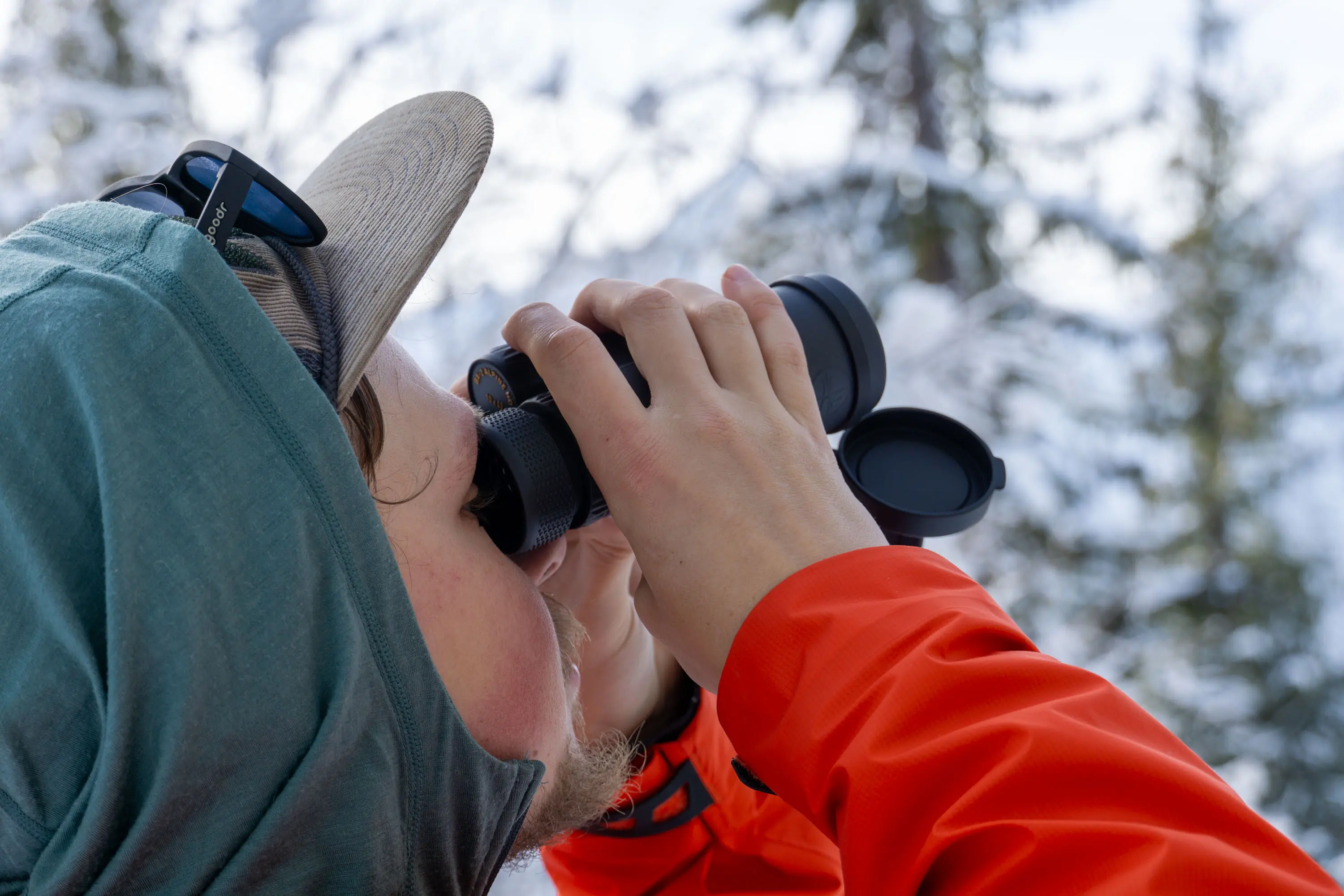
Adjust the eye reliefby moving the binoculars closer or farther from your eyes. This helps get a full view without dark edges. Twist the eyecups up or down for comfort, especially if you wear glasses.
Focus the binoculars by first closing your right eye. Use the central focus wheelto make the left lens sharp. Then close your left eye and turn the diopter adjustmentto clear the right lens. Open both eyes to see a clear image.
- Hold binoculars steady with both hands
- Rest elbows on a firm surface, like a tree or rock
- Use a tripod or monopod if available
- Keep your body relaxed to avoid shaking
Credit: gearjunkie.com
Techniques For Wildlife Observation
Choose places where animals live and move often. Forest edges, near water, and open fields work well. Quiet spots help avoid scaring animals away.
Early morning and late afternoon offer the best light and animal activity. Different seasons bring different animals. Spring and fall are great for seeing many types.
- Watch how animals move and where they stop.
- Notice feeding times and resting spots.
- Look for tracks, nests, or droppings as clues.
- Stay still and patient to see natural behavior.
Capturing Photos Through Binoculars
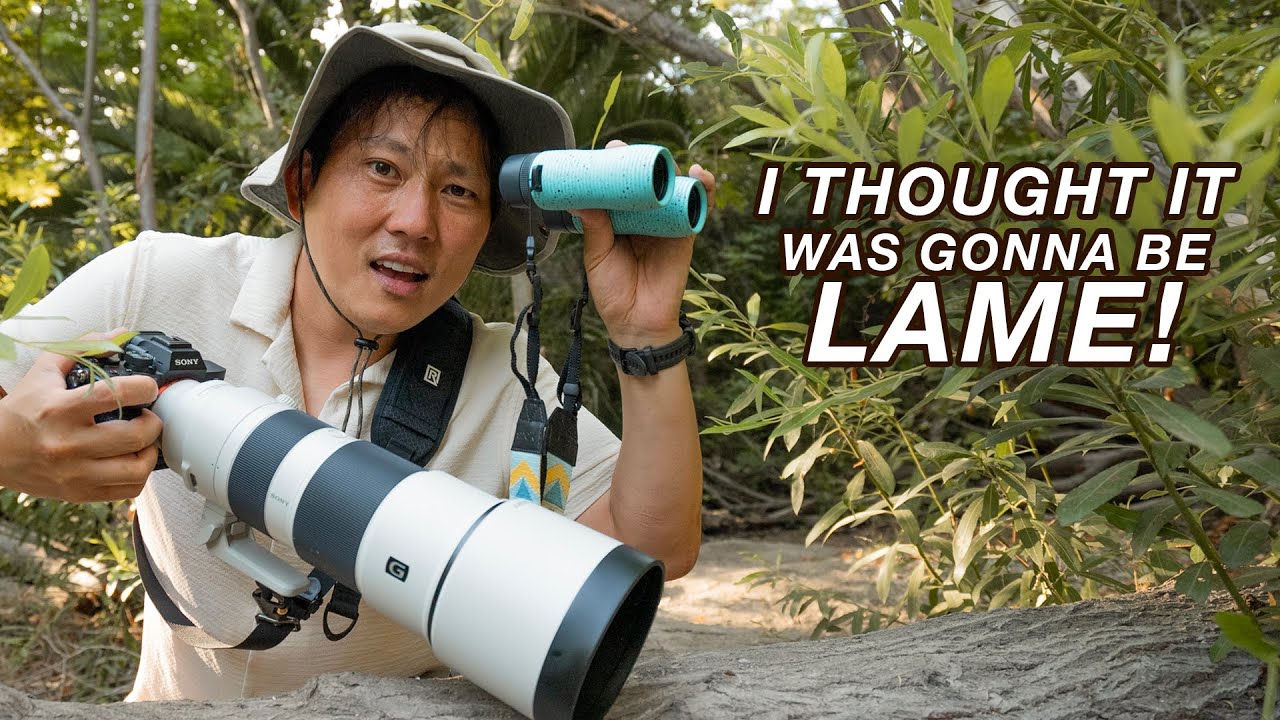
Using an adapterto connect your camera to binoculars helps capture clear photos. There are clip-onand mounting brackettypes available. A sturdy mount reduces shaking and makes photos sharper. Tripods also help keep everything steady for better shots.
Set your camera to a low ISOto avoid grainy images. Use manual focusfor sharper details. Choose a fast shutter speedto freeze motion. Adjust the aperture to control the depth of field and lighting.
- Keep binocular lenses clean to avoid blurry images.
- Hold the setup steady or use a tripod.
- Avoid zooming too much; it lowers image quality.
- Make sure the camera lens lines up well with binocular lenses.
- Practice focusing before trying to capture wildlife.
Credit: www.youtube.com
Maintaining Your Binoculars
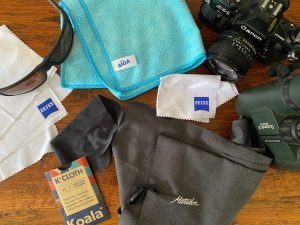
Keep your binoculars clean for clear views. Use a soft brush or cloth to remove dust. Avoid harsh chemicals on lenses. Use lens cleaning solution and a microfiber cloth to wipe gently.
Store binoculars in a dry, cool place. Use a protective case to avoid scratches. Avoid leaving binoculars in direct sunlight or damp areas.
| Problem | Possible Cause | Fix |
|---|---|---|
| Blurry image | Dirty lenses | Clean lenses carefully with microfiber cloth |
| Fog inside lenses | Moisture build-up | Store in dry place; use silica gel packs |
| Focus not working | Dirt or damage to focus wheel | Clean focus wheel; seek professional repair if needed |
Frequently Asked Questions
How Do Binoculars Improve Wildlife Photography?
Binoculars help spot distant animals clearly before photographing. They allow precise focus and tracking, improving photo accuracy. Using them reduces disturbances to wildlife, ensuring natural behavior is captured.
What Is The Best Binocular Magnification For Wildlife?
A magnification between 8x and 10x is ideal for wildlife. It offers a clear, stable view without shaking. Higher magnifications may cause blurry images and are harder to hold steady.
How To Stabilize Binoculars While Photographing Wildlife?
Use a tripod or monopod to steady binoculars. Alternatively, brace your arms against your body or a stable surface. This reduces shake and results in clearer observation and better photo framing.
Can Binoculars Help In Low-light Wildlife Photography?
Yes, binoculars with larger objective lenses gather more light. This improves visibility during dawn or dusk. However, pairing with a camera suited for low light is essential for quality photos.
Conclusion
Using binoculars helps you see wildlife clearly and from afar. Always hold them steady for sharp images. Practice focusing quickly to catch moving animals. Choose the right binoculars with good zoom and light. Patience matters; wait quietly for the perfect shot.
Enjoy nature’s beauty while respecting wildlife space. With time, your photos will improve a lot. Keep exploring and capturing amazing wildlife moments.