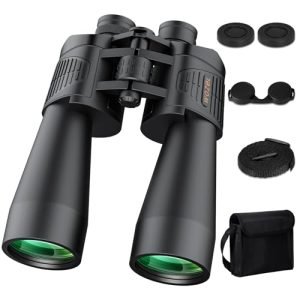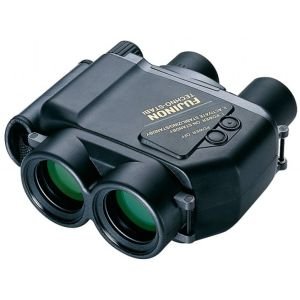
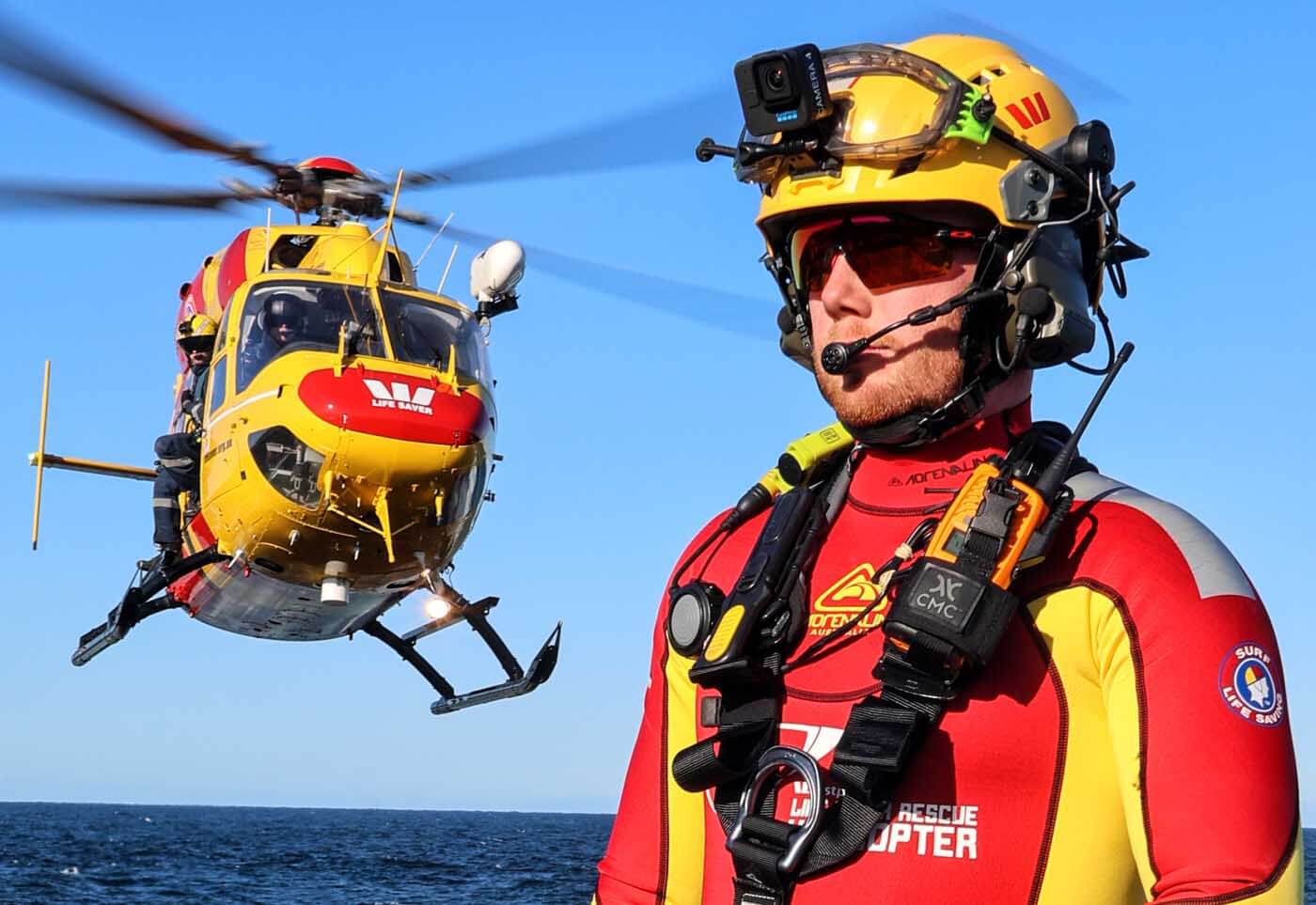
When lives are on the line, every second counts. If you’ve ever wondered how rescue teams spot people from high above in helicopters, the answer lies in the binoculars they use.
These aren’t just any binoculars—they’re specially designed tools that help rescuers see clearly, even in tough conditions. You’ll discover exactly what makes these binoculars essential for helicopter rescues and why choosing the right pair could mean the difference between success and failure.
Keep reading to find out how these powerful devices work and why they matter to you.
Binoculars In Helicopter Rescues
Binoculars help rescue teams find people quickly from the air. They give a clear view of large areas.
Using the right binoculars is important for safety and success during helicopter rescues.
Role And Importance
Binoculars help pilots and rescuers spot victims, obstacles, and safe landing zones. They improve vision in difficult weather.
- Locate missing persons in dense forests or rough terrain
- Spot hazards like power lines or tall trees
- Guide rescue teams to exact locations
- Enhance safety by reducing search time
Key Features Needed
Binoculars for helicopter rescues must be strong, clear, and easy to use. They should work well in all light conditions.
| Feature | Reason |
| Magnification (7x to 10x) | Clear view of distant objects |
| Wide Field of View | See large areas at once |
| Durability | Resist shocks and weather |
| Lightweight | Easy to hold for long time |
| Waterproof | Work in rain or fog |
| Anti-fog Coating | Keep lenses clear in humidity |

Credit: www.optics-trade.eu
Essential Features For Rescue Binoculars
Helicopter rescues need special binoculars. These tools help rescuers see far and clear.
Binoculars used in rescues must have certain features. These features help in tough conditions.
Magnification And Lens Size
Magnification shows how close objects appear. Rescue binoculars usually have 7x to 10x magnification.
Lens size lets in light. Bigger lenses give clearer images but can be heavier.
- 7x to 10x magnification for clear details
- Lens size between 30mm and 50mm for good light
- Balance between zoom and brightness
Durability And Weather Resistance
Binoculars in helicopter rescues must survive rough use. They should resist water and shocks.
Weather resistance means binoculars work in rain, snow, or fog. Durable materials protect them.
- Waterproof and fog-proof design
- Shock-resistant body for drops and impacts
- Strong outer casing to protect lenses
Lightweight And Compact Design
Rescue teams carry many tools. Lightweight binoculars reduce fatigue during long missions.
Compact size makes binoculars easy to hold and store. They must fit in rescue gear bags.
- Light materials like aluminum or plastic
- Compact shape for easy handling
- Comfortable grip for steady use
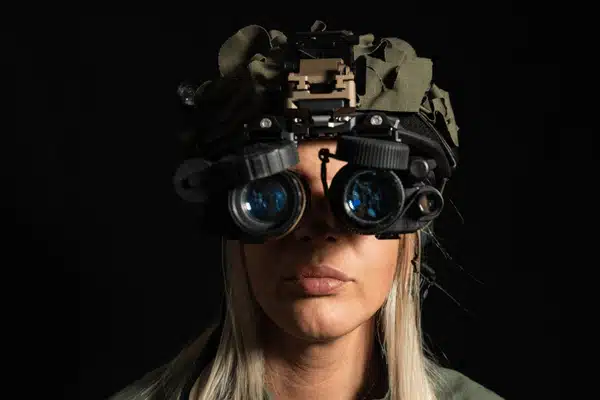
Night Vision And Low Light Performance
Rescues often happen in dark or low light. Binoculars need to work well in these conditions.
Night vision helps see in the dark. Good low light performance improves image brightness.
- Infrared or image enhancement technology
- Large objective lenses for more light
- Clear images in dusk or dawn situations
Top Binoculars For Helicopter Rescues
Binoculars are important tools in helicopter rescues. They help rescuers see far and find people in need.
Choosing the right binoculars depends on the budget and the rescue mission’s needs. This guide shows options for all levels.
High-end Professional Models
High-end binoculars offer clear images and strong zoom. They work well in low light and bad weather.
These models have features like image stabilization and waterproof bodies. They are built to last in tough conditions.
- Strong magnification for long-distance viewing
- Wide field of view to spot targets quickly
- Durable and weather-resistant construction
- Image stabilization to reduce shaking
Mid-range Reliable Options
Mid-range binoculars balance quality and cost. They offer good clarity and useful features.
These are lighter and easier to carry. They still perform well in most rescue situations.
- Clear optics for sharp images
- Moderate zoom for flexible use
- Water-resistant to handle rain
- Comfortable grip for long use
Budget-friendly Choices
Budget binoculars work for simple rescue tasks. They are good for practice or backup gear.
These binoculars may lack advanced features but still help spot people in open areas.
- Basic zoom and clear view
- Lightweight and compact design
- Affordable for teams with limited funds
- Easy to use without training
Credit: verticalmag.com
Comparing Popular Models
Binoculars are crucial tools in helicopter rescues. They help spot people and landmarks from afar. Different models suit various rescue situations.
We compare popular binoculars based on their performance, ease of use, and power features. This helps find the best fit for rescue teams.
Performance In Different Conditions
Rescue binoculars must work well in rain, fog, and low light. Some models have coatings that reduce glare and improve clarity. Others are waterproof and fog-proof.
- Model A offers bright images in foggy weather.
- Model B has strong waterproof seals for wet conditions.
- Model C uses special lenses to reduce glare in sunlight.
Ease Of Use And Handling
Helicopter rescues need quick setup and steady handling. Lightweight and compact binoculars reduce fatigue. Large focus knobs help adjust vision fast.
| Model | Weight (oz) | Size (inches) | Focus Type |
| Model A | 22 | 6.5 x 5 | Center Focus |
| Model B | 28 | 7 x 6 | Individual Eye Focus |
| Model C | 20 | 6 x 4.5 | Center Focus |
Battery Life And Power Sources
Some binoculars have built-in night vision or rangefinders. These need power. Battery life and type matter for long missions.
- Model A uses rechargeable lithium batteries lasting 8 hours.
- Model B runs on AA batteries, easy to replace in the field.
- Model C has no electronic features, so no batteries needed.
Maintenance And Care Tips
Binoculars used in helicopter rescues must stay in top condition. Proper care keeps them reliable and ready.
This guide covers cleaning, storage, protection, and inspection tips to help maintain these tools.
Cleaning And Storage
Keep lenses clean and clear by wiping them gently with a soft cloth. Use lens cleaning solution if needed.
- Use a blower brush to remove dust before wiping.
- Store binoculars in a dry, cool place.
- Keep them in a padded case to avoid scratches.
- Remove batteries if storing for a long time.
Protecting From Damage
Protect binoculars from drops, moisture, and extreme temperatures. These can harm internal parts.
- Use a neck strap or harness to prevent drops.
- Keep binoculars away from rain and snow.
- Avoid leaving them in direct sunlight for long periods.
- Cover lenses with caps when not in use.
Regular Inspections
Check binoculars often for damage or wear. Early fixes avoid bigger problems during rescues.
| Inspection Area | What to Check | Action if Problem Found |
| Lens | Scratches, dirt, or fogging | Clean gently or replace lenses |
| Focus Mechanism | Smooth turning and alignment | Lubricate or repair if stiff |
| Body | Cracks or loose parts | Tighten screws or replace parts |
| Strap | Wear and secure attachment | Replace if frayed or loose |
Future Trends In Rescue Binoculars
Binoculars are important tools in helicopter rescues. They help rescuers see far and find people in need. New technology is making these binoculars better for rescue missions.
Future rescue binoculars will have better optics, digital features, and stronger designs. These changes will help rescuers work faster and safer.
Advancements In Optics
Optics in binoculars improve how clear and bright the image looks. Future models will use new lens materials to give sharper views. This helps rescuers spot small details from far away.
Better coatings on lenses will reduce glare and increase light transmission. This means clearer vision in low light or foggy conditions.
- Sharper images with new lens glass
- Improved light transmission for dark areas
- Reduced glare for clear viewing
- Wider field of view for better area coverage
Integration With Digital Tech
Digital technology will add new functions to rescue binoculars. Features like GPS and cameras will help rescuers navigate and record their search. This makes missions more effective.
Smart binoculars may connect to helmets or computers. This allows sharing images and data in real time. It helps teams work together better during rescues.
- Built-in GPS for location tracking
- Digital cameras for recording
- Wireless data sharing with teams
- Night vision and thermal imaging options
Enhanced Durability Features
Rescue binoculars must be tough. Future designs will use stronger materials to resist shocks and water. This helps them last longer in harsh conditions.
Lightweight and ergonomic designs will make binoculars easier to carry. They will also have better grips for use with gloves.
- Waterproof and fog-proof bodies
- Shock-resistant construction
- Lightweight materials for comfort
- Non-slip grips for secure handling
Credit: nightflightconcepts.com
Frequently Asked Questions
What Features Make Binoculars Ideal For Helicopter Rescues?
Binoculars used in helicopter rescues have high magnification and wide field of view. They are lightweight, durable, and offer clear images in low light. Waterproof and shock-resistant designs ensure reliability in harsh conditions.
Which Magnification Is Best For Rescue Binoculars?
Typically, 7x to 10x magnification is optimal for helicopter rescues. This range balances detail clarity with stability during flight vibrations. Higher magnification can cause image shakiness, reducing effectiveness.
Are Night Vision Binoculars Used In Helicopter Rescues?
Yes, night vision binoculars are essential for low-light or nighttime rescues. They amplify available light to help locate people and hazards when visibility is poor.
How Do Rescue Binoculars Handle Harsh Weather Conditions?
Rescue binoculars feature waterproof and fog-proof coatings. They are built with rugged materials to withstand rain, wind, and extreme temperatures, ensuring consistent performance.
Conclusion
Binoculars play a vital role in helicopter rescues. They enhance visibility and precision. Rescuers rely on them for spotting people in need. Different types suit various rescue situations. Night vision binoculars help in low light. Waterproof ones endure harsh weather.
Rescuers choose based on the mission’s demands. Proper binoculars ensure successful rescues. They boost safety and efficiency. Knowing the right binoculars makes a difference. Rescuers save lives with the right tools. Binoculars, essential in rescue operations. Make every mission count.
Remember, the right choice matters greatly.