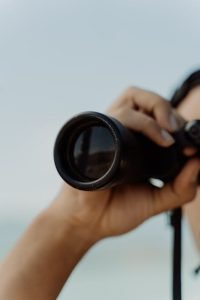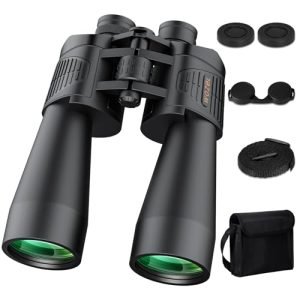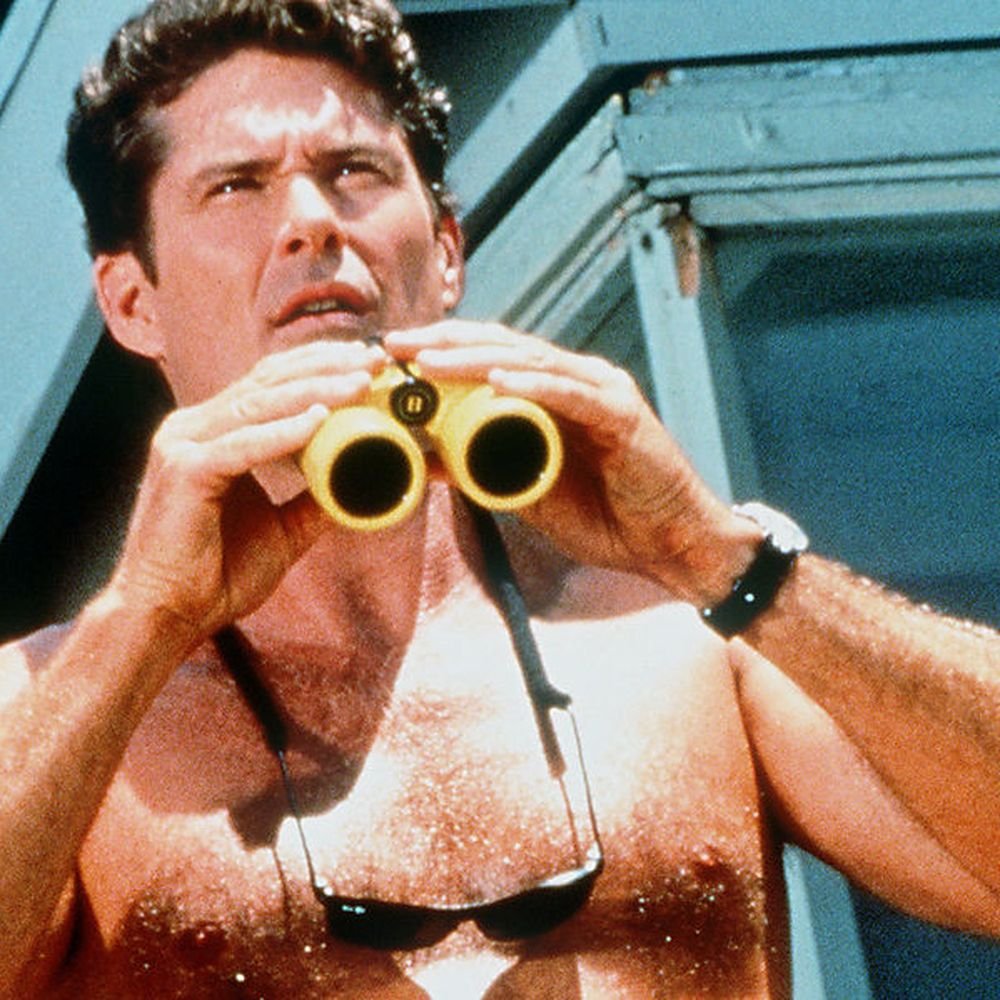
When it comes to keeping people safe near water, every second counts. You might wonder, what binoculars do lifeguards trust most to spot danger quickly and clearly?
Choosing the right pair can make all the difference in their ability to protect swimmers and react fast. If you want to know which binoculars lifeguards rely on and why, keep reading. This guide will help you understand what features matter most and how the best binoculars can boost safety on the shore.
Your next choice could save a life.
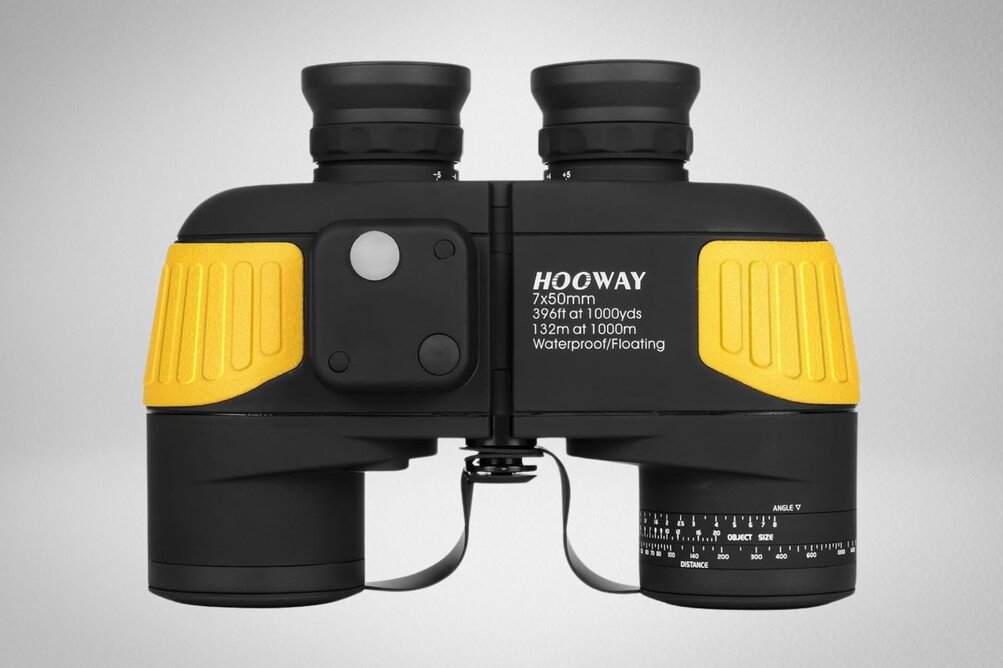
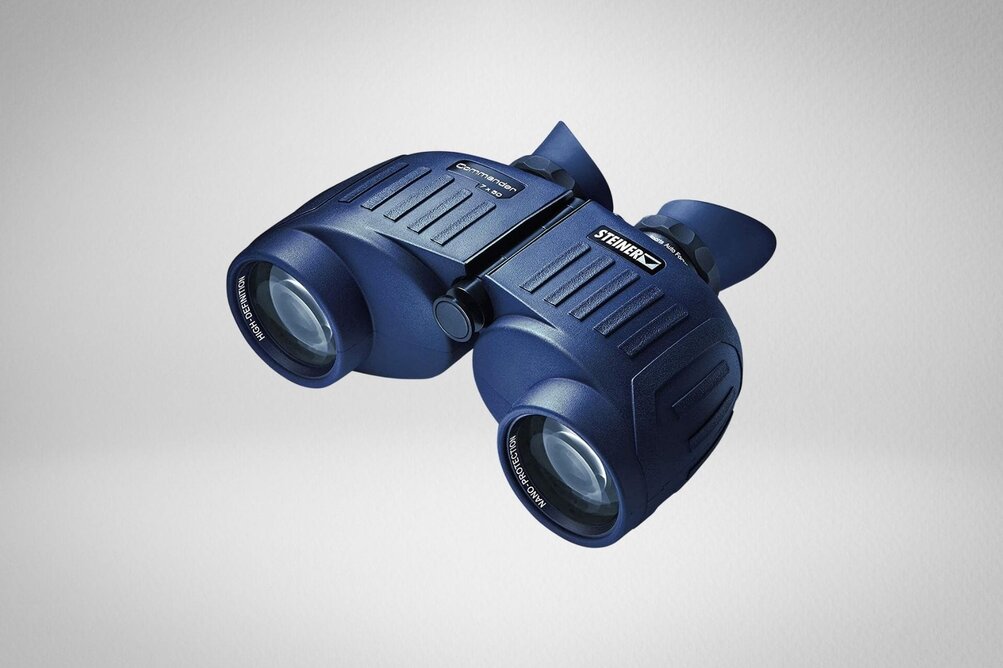
Credit: www.boatsailmag.com
Key Features For Lifeguard Binoculars
Lifeguards need binoculars that help them see far and clearly. These binoculars must work well in tough outdoor conditions.
The right binoculars improve safety by letting lifeguards spot swimmers in trouble quickly. We look at important features for these binoculars.
Durability And Weather Resistance
Lifeguard binoculars must handle sun, saltwater, and rain without breaking. They should be strong and last long in harsh places.
Many binoculars for lifeguards are waterproof and fog-proof. They often have rubber coatings to protect from drops and bumps.
- Waterproof seals keep water out
- Rubber armor protects against shocks
- Fog-proof lenses stay clear in humidity
- Corrosion-resistant parts last near saltwater
Magnification And Field Of View
Good magnification helps lifeguards see distant swimmers clearly. Too much magnification can make the image shaky and hard to use.
A wide field of view lets lifeguards scan large areas quickly. This feature helps them spot any problems fast.
- 7x to 10x magnification is common
- Wide field of view covers more area
- Clear and stable images at distance
Lens Quality And Coatings
High-quality lenses give bright and clear views. Special coatings reduce glare and improve light transmission.
Coated lenses help lifeguards see better in bright sunlight and low light. This makes spotting swimmers easier at all times.
- Multi-coated lenses increase brightness
- Anti-reflective coatings reduce glare
- High-quality glass improves clarity
Weight And Ergonomics
Lifeguards carry binoculars for long shifts. Lightweight binoculars reduce hand fatigue and stay comfortable to hold.
Ergonomic designs fit well in the hands. Easy-to-use focus controls allow quick adjustments while watching swimmers.
- Lightweight materials like plastic or aluminum
- Rubber grips for secure holding
- Simple focus wheels for fast use
- Compact size for easy carrying

Credit: www.gettyimages.co.uk
Top Binocular Models For Lifeguards
Lifeguards need binoculars to see swimmers from far away. Good binoculars help spot danger quickly.
Here are some popular binocular choices for lifeguards. These models suit different budgets and needs.
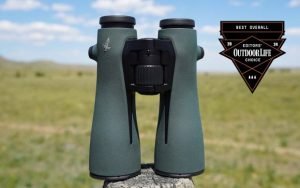
Best Overall Choice
The best overall binoculars offer clear views and strong durability. They work well in bright sunlight and low light.
Many lifeguards prefer these models for their balance of quality and price. They are easy to use and maintain.
- Nikon Monarch 5 8×42
- Vortex Viper HD 10×42
- Canon 10×30 IS II
Budget-friendly Options
Budget binoculars give good performance without a high price. They are lighter and simpler but still reliable.
These models are good for lifeguards who need basic tools. They are easy to carry and use daily.
- Bushnell Falcon 7×35
- Aurosports 10×42
- Coastal Optics 8×42
Premium High-performance Picks
Premium binoculars have the best optics and build quality. They show sharp images and have strong weather protection.
These models are made for professionals who need the best tools. They cost more but last longer.
- Zeiss Victory SF 10×42
- Leica Ultravid HD-Plus 8×42
- Swarovski EL 10×42
Compact And Lightweight Models
Compact binoculars are small and light. They are easy to carry on the beach or poolside.
These models are good for lifeguards who move a lot. They fit in small bags and still offer clear views.
- Leupold BX-1 Rogue 8×25
- Nikon Trailblazer 8×25
- Vortex Diamondback 8×28
Why Lifeguards Choose These Binoculars
Lifeguards need binoculars that help them see far and act fast. The right binoculars make rescues safer and easier.
They choose binoculars that work well in all weather and lighting. These tools must be reliable for long hours at the beach or pool.
Ease Of Use In Emergency Situations
Binoculars used by lifeguards are simple to operate. Quick focus and lightweight design help them respond fast.
Easy controls allow lifeguards to adjust without losing sight of swimmers. This reduces delay in spotting trouble.
Visibility In Various Lighting Conditions
Good binoculars give clear views in bright sun and low light. They have lenses that reduce glare and improve contrast.
This helps lifeguards see swimmers clearly at dawn, dusk, or cloudy days. Clear visibility saves lives.
- Anti-reflective coatings for bright sunlight
- Wide lenses for low light conditions
- Sharp image quality for quick spotting
Long-term Reliability And Maintenance
Lifeguards use binoculars that last through tough use. These binoculars resist wear and need little upkeep.
Durable materials and strong build keep the binoculars working for years. Easy cleaning keeps lenses clear.
- Strong casing to handle drops and hits
- Simple maintenance steps for daily care
- Replaceable parts for longer use
Waterproof And Fog-proof Benefits
Waterproof binoculars protect against rain, splashes, and sweat. Fog-proof lenses stop mist from blocking views.
These features keep vision clear in wet and humid conditions. Lifeguards rely on them to keep watch without interruption.
- Sealed lenses to keep moisture out
- Internal gas filling to prevent fog
- Safe use near water and in all weather
Credit: www.boatsailmag.com
Tips For Selecting Lifeguard Binoculars
Choosing the right binoculars is key for lifeguards to keep watch effectively. The right pair helps spot swimmers in trouble quickly.
Consider the work environment, magnification, budget, and testing before buying binoculars for lifeguard duty.
Matching Binoculars To Work Environment
Lifeguards need binoculars suited to their surroundings. Beach lifeguards may need waterproof and sand-resistant models.
Pool lifeguards often prefer compact and lightweight binoculars for ease of use during shifts.
Balancing Magnification And Stability
High magnification lets lifeguards see far but can cause shaky images. Stability is crucial for clear viewing.
- Choose magnification around 7x to 10x for a good balance.
- Look for binoculars with image stabilization features.
- Consider the weight; heavy binoculars are harder to hold steady.
- Test how long you can hold them without fatigue.
Considering Budget And Brand Reputation
| Price Range | Features to Expect | Recommended For |
| Under $100 | Basic optics, limited waterproofing | Casual or backup use |
| $100 – $300 | Good optics, some waterproof and fog proof | Most lifeguards |
| Above $300 | High-end optics, full weatherproofing, image stabilization | Professional use |
Choose brands known for durability and clear optics. Check reviews and warranties before purchase.
Testing Before Purchase
Try these tests before buying binoculars:
- Hold binoculars for several minutes to check comfort.
- Look at distant objects to test clarity and focus speed.
- Check how well the binoculars perform in low light.
- Test waterproof and fog proof features if possible.
Maintaining Binoculars For Lifeguard Use
Lifeguards rely on binoculars to watch swimmers and spot danger quickly. Keeping binoculars in good shape helps lifeguards do their job well.
Regular care of binoculars extends their life and ensures clear vision. Simple maintenance steps prevent damage and keep them ready for use.
Cleaning And Storage Best Practices
Clean binoculars carefully to avoid scratching lenses. Use a soft brush or cloth to remove dust and dirt.
Store binoculars in a dry, cool place with a protective case. Avoid leaving them in direct sunlight or damp areas.
- Use lens cleaning cloths or microfiber cloths
- Do not use paper towels or rough materials
- Keep binoculars in a padded case when not in use
- Store away from heat and moisture
Protecting Against Saltwater Damage
Saltwater can harm binoculars by causing rust and corrosion. Rinse binoculars with fresh water after exposure to salt air or spray.
Dry binoculars fully before storing them. Use covers to shield from salt spray during beach or pool duty.
- Rinse with fresh water after saltwater exposure
- Dry with a soft cloth to remove moisture
- Use waterproof covers when near saltwater
- Apply anti-corrosion sprays for extra protection
Regular Inspections And Repairs
Check binoculars often for cracks, loose parts, or fogging inside the lenses. Early fixes keep them working well.
Replace worn straps and tighten screws as needed. If lenses get damaged, professional repair is best.
- Inspect lenses for scratches or fogging
- Check the focus mechanism and hinges
- Tighten loose screws regularly
- Replace damaged straps or covers
- Seek professional repair for serious damage
Frequently Asked Questions
What Features Make Binoculars Ideal For Lifeguards?
Lifeguard binoculars need clear optics, waterproofing, and durability. They often include wide field of view and lightweight design for quick scanning and comfort during long shifts.
Why Do Lifeguards Prefer 7x Or 10x Magnification Binoculars?
7x and 10x magnifications balance clarity and stability. They allow lifeguards to spot swimmers and hazards without excessive shakiness or narrow viewing angles.
Are Waterproof Binoculars Essential For Lifeguards?
Yes, waterproof binoculars protect against water splashes and rain. This ensures reliable performance in wet beach or pool environments, enhancing safety and durability.
How Important Is Lightweight Binocular Design For Lifeguards?
Lightweight binoculars reduce neck and hand strain during extended use. This increases comfort and helps lifeguards stay alert without fatigue.
Conclusion
Lifeguards need binoculars that are clear and easy to use. Most choose models with good zoom and bright lenses. These help them spot swimmers far away quickly. Comfort matters too, since they wear them for long hours. Small, lightweight binoculars with strong build last longer on duty.
Choosing the right binoculars can keep beaches and pools safer. Clear vision helps lifeguards act fast in emergencies. Safety depends on good tools and sharp eyes. Simple, reliable binoculars remain the top choice for many lifeguards.