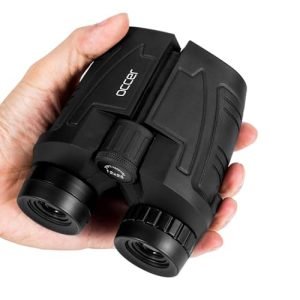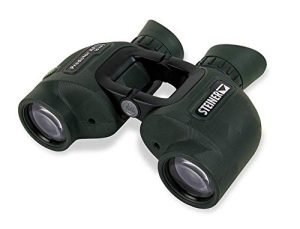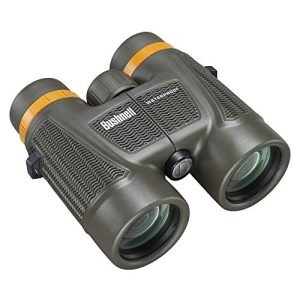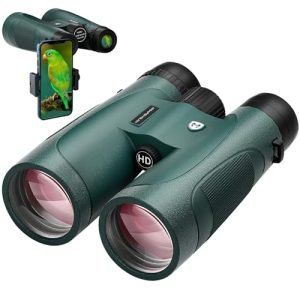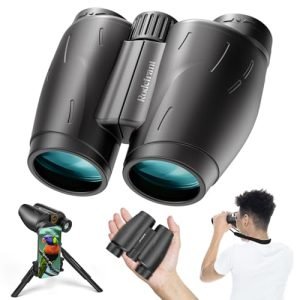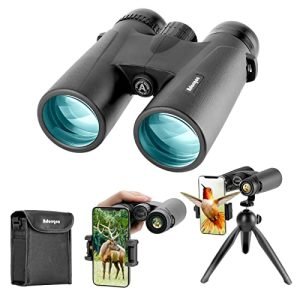
Tactical binoculars are only as effective as the support system around them. The glass itself matters, but in real field use, the right strap, mount, lens protection, and cleaning routine often determine whether you actually get a clear view when it counts.
This guide breaks down the accessories that genuinely improve tactical binocular performance for security work, hunting, backcountry observation, and long-range glassing. You will learn what each accessory does, where the common buying mistakes are, and how to build a kit that fits your mission instead of adding unnecessary bulk.
Why Accessories Matter More Than Magnification
A common mistake is obsessing over magnification while ignoring how the optic will be carried, protected, and stabilized. In practice, a 10x binocular that bounces on a cheap neck strap or has fogged objective lenses is far less useful than a properly supported 8x set.
Good accessories solve four problems:
- Stability during long observation sessions
- Protection from dust, moisture, and impact
- Comfort when carrying gear for hours
- Faster target ranging and identification in changing light
Accessories should also fit your specific binocular body. Objective diameter, interpupillary distance, and housing shape all affect whether a mount, cover, or harness will work cleanly. A generic accessory that almost fits usually becomes a frustration in the field.
Tripod Mounts: Turn Glassing into a Stable Observation Platform
Hand-held glassing works for quick scans, but it becomes tiring after a few minutes. A tripod mount removes hand shake, keeps the optic on target, and frees your hands for logging, radio use, or adjusting other gear.
Most binocular tripod adapters clamp to the center hinge or bridge. Look for a mount that uses the standard ISO tripod screw thread — usually 1/4"-20 — so it mates with photo and field tripods without extra adapters. Quick-release plates are worth the extra cost because they let you switch between glassing and moving without re-threading the mount every time.
When choosing a tripod mount:
- Check the maximum opening width against your binocular bridge
- Prefer aluminum or reinforced polymer over soft plastic
- Use a fluid or video head for smooth panning, not a stiff ball head
- Make sure the plate does not block the focus wheel or diopter ring
- Keep a small hex key in your kit for field tightening
The same logic applies to a stationary surveillance setup. A stable mount only pays off if the optic’s field of view covers the area you need to watch. Wider is not always better if it reduces the detail you can resolve at distance.
Harnesses and Straps: Carry the Load Without Neck Pain
The thin neck strap included with many binoculars should usually be the first accessory you replace. A loaded tactical binocular hanging from the neck pulls downward over time, causes neck strain, and swings when you move quickly.
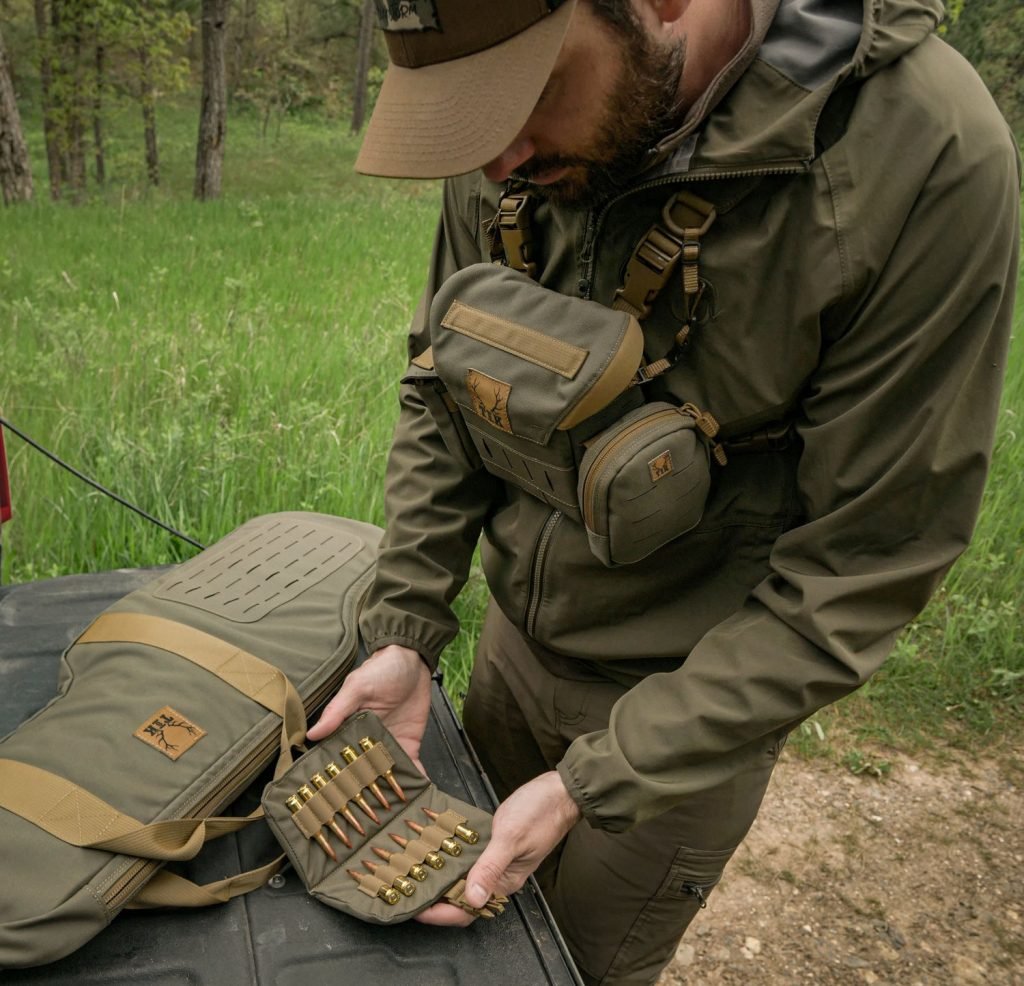
A chest harness spreads weight across both shoulders and keeps the optic centered against the chest. This is much more stable when climbing, moving through brush, or transitioning to other equipment. Many backcountry binoculars ship with a basic strap, but a purpose-built harness is almost always the better default.
Look for:
- Wide, padded shoulder sections
- Elastic or shock-cord sections that reduce bounce
- Quick-release clips that work with gloves
- Adjustable side straps for different body sizes and outer layers
- Compatibility with pack sternum straps or plate carriers
A chest harness keeps the optic centered and stable while moving through rough ground.
Credit: gununiversity.com
If you are pairing a harness with a low-bulk hiking optic, avoid oversized chest rigs. Too much material around a compact binocular creates snag points and traps heat. Match the harness scale to the optic and your expected movement pattern.
Lens Covers and Rain Guards: First Line of Defense
Dust, sand, rain, and branch contact are constant threats to exposed glass. Lens covers may seem boring, but they prevent the small scratches that gradually degrade image contrast and resale value.
A complete setup has two types of protection:
- Objective lens covers for the front glass
- Ocular lens covers or a rain guard for the eyepieces
Tethered covers are best for field use because they stay attached when removed. Loose covers are easy to drop in mud or snow. Soft rubber or silicone covers fit quickly and stay quiet, while hard caps offer more impact protection but can be slower to remove.
Check the cover size against the objective diameter — typically 32mm, 42mm, 50mm, or 56mm on tactical binoculars. A cover that is too tight will tear; one that is too loose will fall off.
For backcountry use where rain is routine, match the covers to weather-sealed glass. Even a waterproof optic needs its exterior lenses kept dry, because water droplets on glass still ruin the image until removed.
Cleaning Kits: Clear Glass Without Damaging Coatings
Modern binocular lenses carry delicate anti-reflective and hydrophobic coatings. Wiping them with a shirt or dry paper towel can leave micro-abrasions that build up over time. A proper cleaning kit is cheap insurance against permanently degraded optics.
Clean in this order:
- Use a squeeze-bulb blower to remove loose grit
- Brush away remaining particles with a soft camel-hair brush
- Apply a few drops of lens-safe solution to a clean microfiber cloth
- Wipe from center outward in a gentle circular motion
- Use a carbon-tipped lens pen for stubborn smudges or fingerprints
Never apply lens solution directly to the glass where it can seep into the housing. Avoid household glass cleaners containing ammonia, which can attack lens coatings and seals over time.
This matters most on lenses with modern anti-glare treatments, which are often softer than uncoated optical glass. Keep two microfiber cloths in rotation: one stored in a sealed bag for glass only, and one for wiping the body and controls.
Hard Cases, Soft Bags, and MOLLE Pouches
Transport causes more binocular damage than field use. When an optic gets packed under water bottles, tools, or spare magazines, unprotected lenses and bridge hinges take the abuse.
A good case should provide:
- Semi-rigid or hard-shell construction
- Closed-cell foam padding around the optic
- A soft interior lining that does not shed fibers
- A secure zipper or clip closure
- Drainage or breathable panels for damp environments
- Attachment points such as MOLLE webbing or a waist-belt loop

A padded, semi-rigid case protects optics when packed alongside harder gear.
Credit: www.amazon.com
Soft pouches are lighter and faster to access, but they do not protect against crushing. Use a hard case for vehicle transport and storage, then a padded pouch or chest harness for active use. A padded case is worthwhile even if your optic has a drop-resistant housing, because impact protection is not the same as long-term scratch and pressure protection.
Laser Rangefinders and Ballistic Data
A laser rangefinder is one of the most useful additions for hunting, long-range observation, and security work where knowing exact target distance matters.
Some tactical binoculars have integrated ranging reticles, but a separate laser rangefinder generally gives faster, more precise data. Current models are compact enough to ride in a chest pouch or attach to a binocular harness. Bluetooth-enabled units can pair with a phone or ballistic app to factor range, angle, and environment into a firing solution.
When selecting a rangefinder:
- Check the maximum range against a non-reflective target, not just a bright reflective one
- Look for angle compensation if you glass from elevated positions
- Confirm the display is readable in bright daylight
- Choose a unit with a scan mode for multiple targets
- Match the beam shape and display unit to your use — meters or yards
In the US, laser devices fall under federal laser-product safety rules, so check the class label before aiming one at reflective surfaces or using it around other people. A rangefinder is a useful tool, but it is still an active laser device and should not be treated as a toy.
Night Vision and Thermal Attachments: What Actually Works
Night vision attachments can extend a tactical binocular into low-light use, but compatibility is not universal. A clip-on unit must align with the binocular’s exit pupil and focal plane, and a front-mounted device may not work with every objective diameter.
Two practical options are common:
- Monocular-style night vision devices used alongside one barrel or as a separate handheld
- Digital clip-on systems that mount in front of the objective lens
In practice, adding a dedicated night vision or thermal monocular to your kit is often more flexible than trying to force a binocular conversion. A monocular preserves the binocular for daytime use and avoids the alignment headaches of a clip-on mount. Some crews run a daytime binocular on a harness and a compact thermal or night vision monocular in a side pouch.
A binocular with a wide exit pupil will gather more usable light before any electronic aid is needed. That can reduce the point at which you need to reach for night vision.
Anti-Fog and Moisture Control
Fogging happens when warm, moist air meets cold lens surfaces. It is common during cold mornings, humid environments, and rapid temperature changes. Even a brief fogged view can cause you to miss movement or lose an animal in cover.
The simplest fixes are:
- Anti-fog sprays or wipes that leave a temporary moisture-resistant film
- Lens cloths treated for anti-fog use carried in a sealed packet
- Silica gel packs stored inside the case to absorb ambient moisture
- Letting the optic acclimate before glassing when moving from warm to cold air
Many tactical binoculars already have internal fog-resistant gas purging, but that does not prevent condensation on the exterior glass. Keep anti-fog wipes separate from standard lens wipes so you do not accidentally use the wrong product.
Field Filters, Sunshades, and Anti-Reflection Devices
For observation from a concealed or stationary position, optical glint can be a real problem. The objective lens can flash sunlight and reveal your position.
Useful add-ons include:
- Lens hoods or sunshades that reduce stray light and improve contrast
- Anti-reflection devices (ARDs) with honeycomb grids that block objective glint
- Neutral density or polarizing filters where the binocular accepts threaded accessories
- Eyecup extensions that block side light around the eyes
Not every tactical binocular accepts screw-in filters, so check the objective ring before buying. A honeycomb anti-reflection device is especially useful for security observation and predator hunting where staying hidden matters more than a completely unobstructed objective.
How to Build a Mission-Ready Accessory Kit
The best accessory setup depends on how you use the binocular. Avoid buying every item on the list at once. Instead, start with the accessory that solves your biggest field problem.
| Accessory | Primary Benefit | Best Priority For |
|---|---|---|
| Chest harness | Comfort, access, security | Foot patrols, long hikes |
| Tripod mount | Stability, detail, hands-free | Surveillance, long glassing |
| Lens covers | Dust and scratch protection | Everyone |
| Cleaning kit | Coating preservation, clear view | Everyone |
| Hard case | Impact and transport protection | Vehicle travel, storage |
| Rangefinder | Exact distance, ballistic data | Hunting, ranging targets |
| Night vision/thermal | Low-light identification | Security, nocturnal observation |
| Anti-fog treatment | Clear glass in cold or wet weather | Cold climates, high humidity |
For long glassing sessions, start with an optic suited to wildlife observation, then add a tripod plate and a padded strap. For a security or recon kit, prioritize a stable mount, an anti-reflection device, and a compact rangefinder over extra magnification.
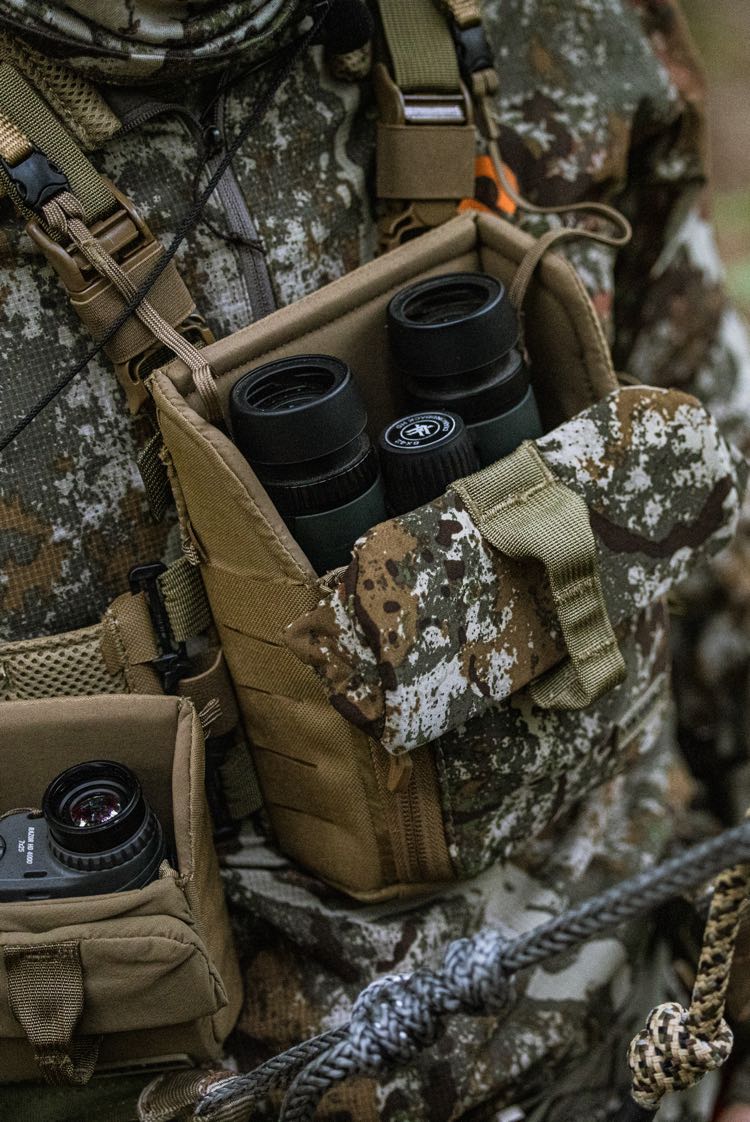
A modular chest harness lets you move accessory pouches to fit armor, pack straps, or a vehicle seat.
Credit: fhfgear.com
Common Mistakes When Accessorizing Tactical Binoculars
Buying universal-fit covers that almost fit. A cover that pops off in brush or blocks the focus wheel is worse than no cover. Match the part to your exact objective and eyepiece size.
Over-tightening tripod adapters. This can crack the plastic bridge on some models or deform the center hinge. Snug is enough; the tripod plate should not rely on crushing force.
Cleaning glass with clothing or paper towels. Even clean-looking fabric holds dust that scratches coatings. Use a blower and clean microfiber only.
Choosing the largest harness available. More material does not equal more comfort. Oversized harnesses interfere with pack straps and trap heat.
Ignoring magnification when adding night vision. A clip-on that works on one binocular may be useless on another with a different focal plane or exit pupil. Confirm compatibility before purchase.
Storing wet optics inside a sealed case. That traps moisture. Dry the exterior, open the case, and add a desiccant pack when possible.
Frequently Asked Questions
What is the first accessory I should buy for tactical binoculars?
Start with a chest harness or a properly fitted padded strap if you carry the optic for more than 30 minutes at a time. Next, add objective and ocular lens covers, then a simple cleaning kit.
Do tripod mounts fit all tactical binoculars?
Not universally. Most use a center-bridge clamp or a threaded socket, but bridge height and housing shape vary. Check the adapter’s opening width and whether it interferes with the focus wheel before buying.
Are laser rangefinders safe to use around other people?
Laser rangefinders are regulated devices and should carry a visible safety classification label. Use them as intended, avoid aiming at eyes or highly reflective surfaces at close range, and follow the manufacturer’s operational cautions.
Can I add night vision to any binocular?
No. Clip-on night vision requires careful optical alignment with your binocular. In many cases, a separate night vision or thermal monocular is the more practical and flexible option.
How do I stop my binocular lenses from fogging in cold weather?
Let the optic gradually acclimate to the outside temperature, keep the exterior lenses dry, use anti-fog wipes or sprays, and store the binocular with silica gel packs inside the case when not in use.
Conclusion
The right accessories turn a good tactical binocular into a more stable, protected, and mission-capable tool. A supportive harness, a solid tripod mount, proper lens covers, and a careful cleaning routine will usually deliver more real-world benefit than another step up in magnification.
Build the kit around your actual use. Start with the accessory that removes your biggest field frustration, then add the rest as your missions demand. Small, well-chosen additions make the difference between fighting your gear and actually using it when the moment matters.