If you love exploring nature, wide-angle binoculars can change the way you track wildlife. These tools give you a bigger view, helping you spot animals faster and follow their movements with ease.
But to get the most out of your binoculars, you need to know how to use them right. In this guide, you’ll discover simple tips and tricks that make your wildlife tracking more exciting and successful. Ready to see the wild like never before?
Keep reading and unlock the full potential of your wide-angle binoculars.
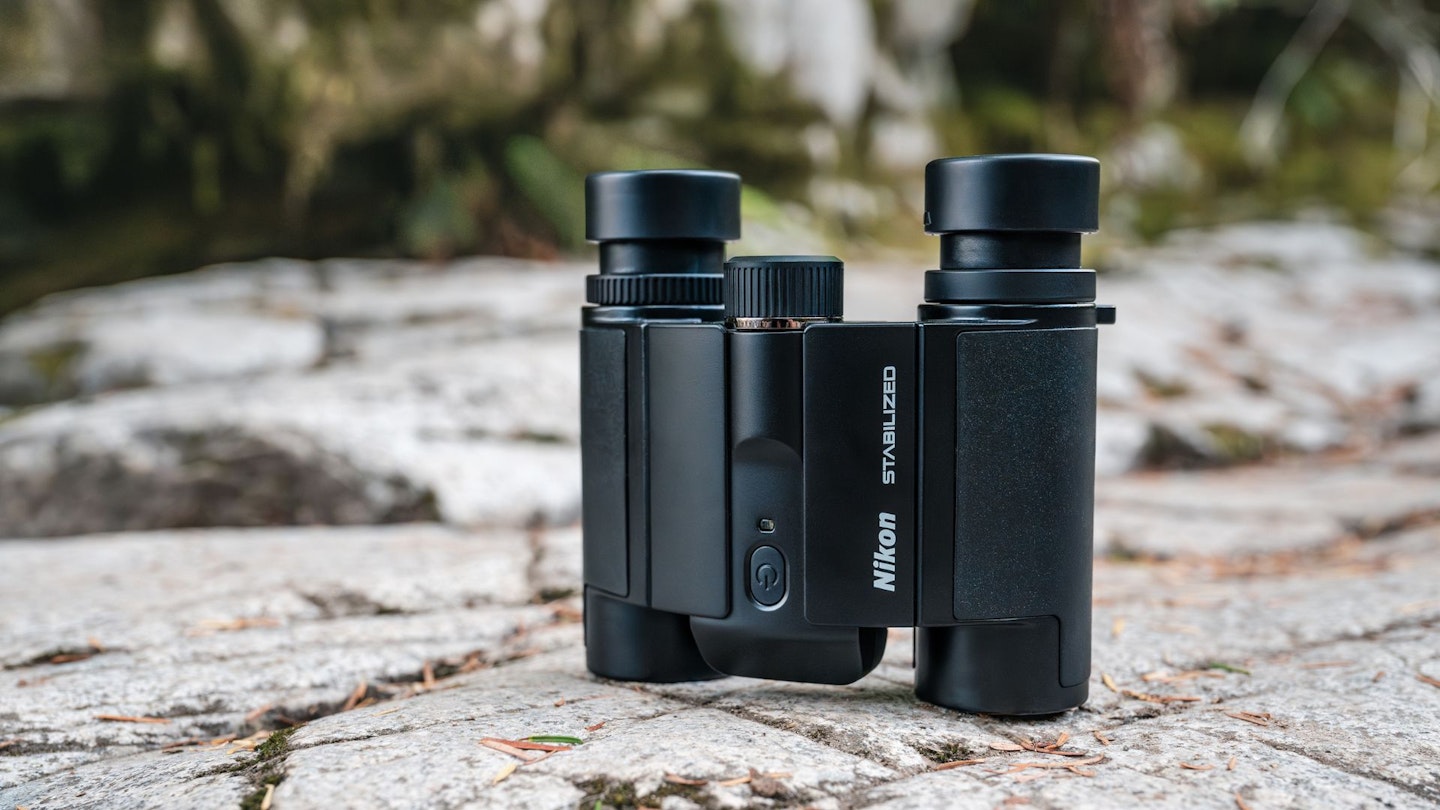
Credit: www.birdwatching.co.uk
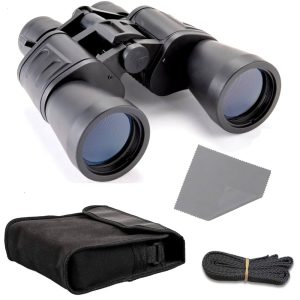
Choosing Wide-angle Binoculars
Wide field of viewhelps see more animals at once. Durable designwithstands outdoor conditions. Look for waterproofmodels. Anti-reflective coatingsimprove image clarity. Lightweight models are easier to carry. Comfortable griphelps during long use.
| Lens Size | Magnification | Best For |
|---|---|---|
| 8×42 | 8 times | General tracking |
| 10×50 | 10 times | Detailed viewing |
| 12×56 | 12 times | Long distance |
- Nikonoffers clear views.
- Bushnellknown for durability.
- Leicaprovides bright images.
- Vortexhas great focus.
- Celestronis affordable.

Credit: swoptics.co.uk
Setting Up Your Binoculars
Adjusting the eye reliefmeans setting the distance between your eyes and the binocular lenses. This helps you see the full image clearly without any dark edges. Hold the binoculars up to your eyes and move them closer or farther until the whole view fits inside the lens circle.
For focusing techniques, start by focusing on a nearby object. Turn the center focus wheel slowly until the image is sharp. Then, check the view with both eyes open to avoid eye strain.
Using the diopter correctlybalances differences between your eyes. Close your right eye and focus with your left eye using the center wheel. Then, close your left eye and adjust the diopter ring until the right eye sees clearly. This ensures a crisp image for both eyes.
Techniques For Tracking Wildlife
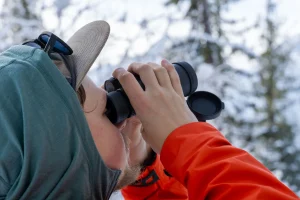
Wide-angle binoculars help cover large spaces fast. Move your eyes smoothly across the landscape. Scan from left to right in slow sweeps. This helps catch any sudden movement or shapes. Try to focus on open areas first, then smaller spots.
Small movements tell a lot. Watch for changes like leaves shaking or animals moving. Look for repeated paths or places animals visit often. Patterns can help predict where animals might appear next.
Hold your binoculars steady to get sharp views. Rest your elbows on a firm surface or use a tripod. Take deep breaths and pause before looking through the lenses. This reduces shaking and makes details clearer.
Maintaining Binoculars In The Field
Cleaning lenses safelyis key for clear views. Use a soft brush or air blower first. This removes dust without scratching. Next, gently wipe with a microfiber cloth. Avoid paper towels or rough fabrics. Use lens cleaner drops if needed. Never spray cleaner directly on lenses.
Protecting from weather elementskeeps binoculars working well. Use a rain cover or waterproof case in wet conditions. Wipe off moisture quickly to stop damage. Avoid leaving binoculars in direct sun for long. Keep them away from sand and dust.
Storage tips for longevityhelp binoculars last longer. Store in a dry, cool place. Use the original case or a padded bag. Keep lenses covered with caps. Avoid tight spaces that can cause pressure or scratches.
Enhancing Your Wildlife Experience
Wide-angle binoculars work well with other gear to improve your wildlife tracking. Pair them with a field guide to help identify animals. A notebook or voice recorder is useful for capturing observationson the spot. Use a GPS device to mark locations of sightings. Carry a small backpack to keep all your gear organized and ready.
Recording observations helps remember details about animals and their behaviors. Write down the time, place, and animal type. Note any unusual actions or sounds. This record can become a helpful resource for future trips or sharing with others.
Joining wildlife tracking communities connects you with people who share your interest. You can swap tips, ask questions, and learn from their experiences. Many groups offer local meetups or online forums. This support makes tracking more fun and rewarding.

Credit: www.amazon.co.uk
Frequently Asked Questions
What Are The Benefits Of Wide-angle Binoculars For Wildlife?
Wide-angle binoculars provide a larger field of view. This helps track fast-moving animals easily. They reduce eye strain and improve situational awareness in nature.
How Do I Choose The Best Wide-angle Binoculars?
Look for binoculars with at least 7x magnification and 40mm objective lenses. Ensure they have good lens coatings for brightness. Comfort and weather resistance also matter for outdoor use.
Can Beginners Use Wide-angle Binoculars Effectively?
Yes, wide-angle binoculars are beginner-friendly. Their broad view helps locate wildlife faster. They are easy to handle and require minimal adjustment for clear images.
How To Maintain Wide-angle Binoculars In The Wild?
Keep lenses clean using a soft cloth. Avoid touching lenses with fingers. Store binoculars in a protective case when not in use. Regularly check for dust and moisture.
Conclusion
Wide-angle binoculars help you see more of nature at once. They make tracking animals easier and more fun. Use them to spot wildlife in open spaces or dense forests. Keep your eyes steady and scan slowly for better results. Practice often to improve your observation skills.
Enjoy the beauty of wildlife from a safe distance. These binoculars bring the outdoors closer and clearer. Keep exploring and discovering new things every time you go out. Wildlife tracking becomes simple and exciting with the right tools.