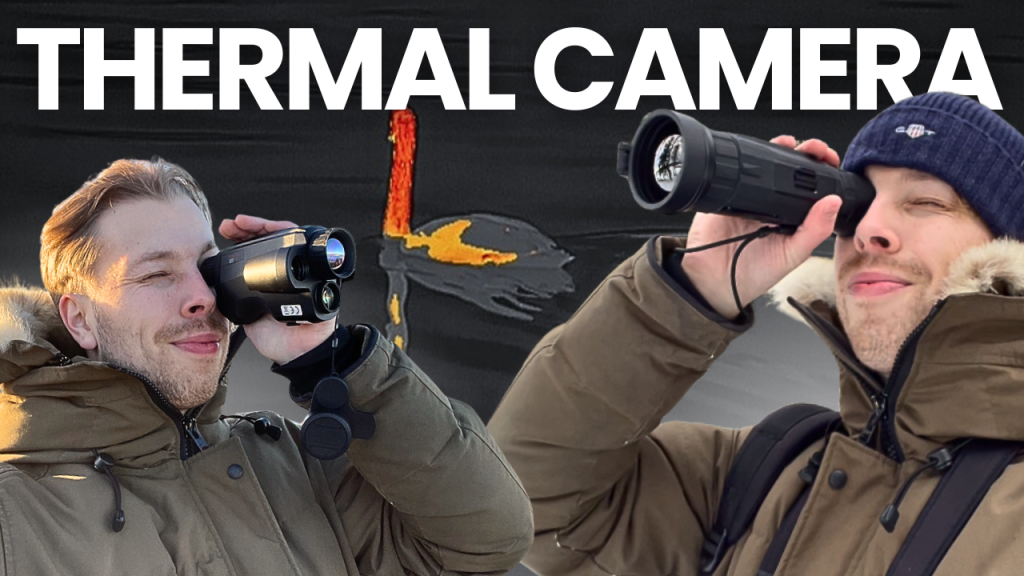
Are you a birdwatching enthusiast looking for new ways to spot your feathered friends? You might be wondering if thermal binoculars could change the game for you.
Imagine seeing birds clearly, even in low light or dense foliage, without disturbing their natural behavior. Thermal binoculars promise just that, but can they really meet your birdwatching needs? Keep reading to discover how these powerful tools work, their benefits, and whether they are the right choice for your next birdwatching adventure.
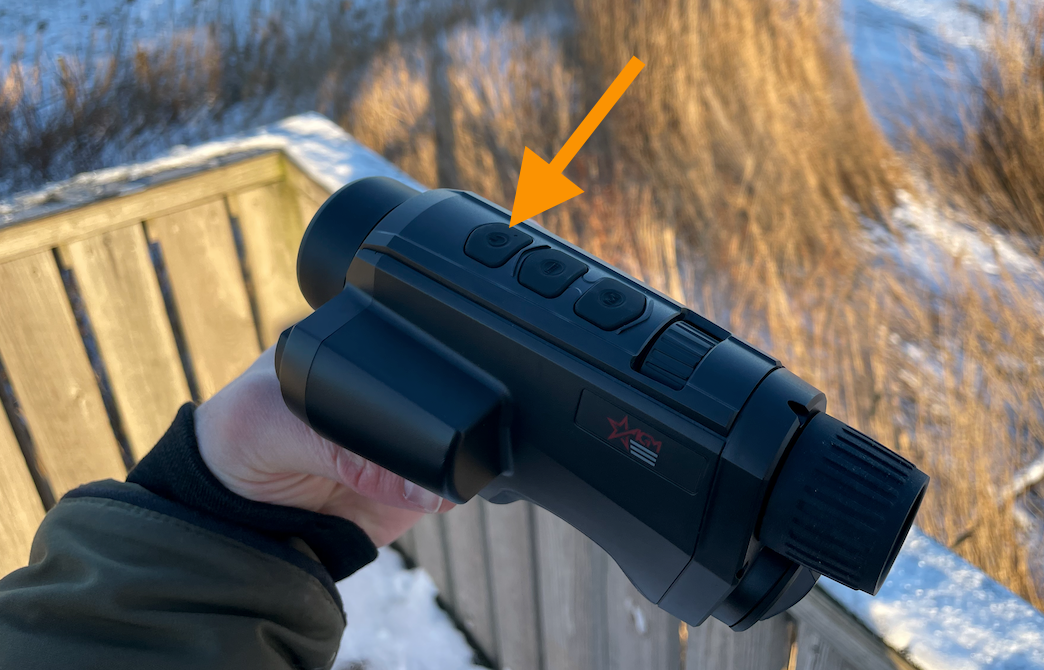
Credit: medium.com
Thermal Binoculars Basics
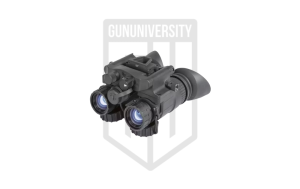
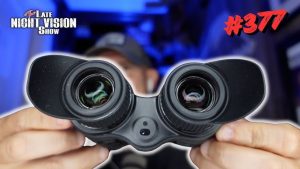
Thermal imaging shows heat from objects. It detects infrared light. Infrared is invisible to human eyes. Hot things emit more infrared light. Thermal binoculars capture this light. They create images based on heat. Warm objects appear brighter.
- Heat Detection:Finds birds even in darkness.
- Image Quality:Shows clear heat images.
- Range:Can see heat from far away.
- Battery Life:Lasts long for outdoor use.
- Durability:Made strong for all weather.

Credit: medium.com
Advantages For Birdwatching
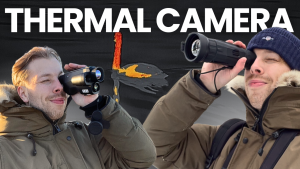
Thermal binocularshelp see birds in darknessor fog. They detect heat, not light. This makes them useful at dawn, dusk, or in misty weather. Birds hidden in thick bushes become easier to spot. No need to wait for clear weather or bright light.
They also help in detecting camouflaged birds. Some birds blend well with their surroundings. Thermal vision shows their body heat, making them stand out. This helps birdwatchers find and observe birds that are hard to see with regular binoculars.
Limitations In Birdwatching
Thermal binoculars detect heat, making it hard to see bird colors and details. They work best in low light but lack clarity for birdwatching. Limited image quality can reduce the birdwatching experience.
Lack Of Color And Detail
Thermal binoculars show heat, not colors. Birds appear as shapes, not bright or clear. This makes it hard to see feathers or small features. Birdwatchers miss key details for identifying species.
Range And Resolution Constraints
Thermal binoculars work best at short distances. Faraway birds look blurry or small. The resolution is lower than regular binoculars. It can be tough to spot birds in dense trees or far away.
Comparing With Traditional Binoculars
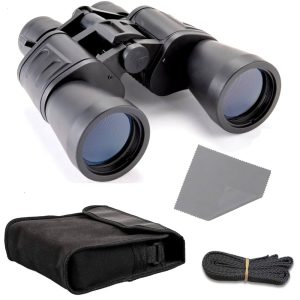
Traditional binocularsoffer clear and sharp images with accurate colors. This makes birds easy to identify by their feathers and patterns. Thermal binocularsshow heat signatures, so colors are not visible. This can make it harder to see small details like color changes on birds.
Both types have unique uses:
- Traditional binocularsare best in daylight and for detailed birdwatching.
- Thermal binocularshelp spot birds in low light or through fog and bushes.
| Feature | Traditional Binoculars | Thermal Binoculars |
|---|---|---|
| Image Type | Clear, colored images | Heat-based, black and white or color palette |
| Best Use | Daylight, detailed viewing | Night, fog, dense foliage |
| Color Accuracy | High | Low or none |
Choosing The Right Thermal Binoculars
Thermal binocularshelp see heat from birds, even in dark or fog. Key specs matter for birdwatching. Resolutionis vital. Higher resolution shows clearer images. Detection rangetells how far you can spot birds. Choose a binocular that fits your typical bird distance.
Magnificationshould balance zoom and field of view. Too much zoom makes images shaky. Refresh rateaffects how smooth the image looks when birds move. A faster rate is better for tracking.
| Feature | Why It Matters | Recommended Range |
|---|---|---|
| Resolution | Clearer images show bird details | 320×240 or higher |
| Detection Range | How far you can spot birds | 300-500 meters |
| Magnification | Balance zoom and view area | 3x to 5x |
| Refresh Rate | Smooth image of moving birds | 30 Hz or more |
Budget matters too. More expensive models offer better features but basic models work fine for beginners. Look for good value, not just low price. Choose binoculars that last and fit your needs.
Tips For Using Thermal Binoculars
Hold the binoculars steadyto get a clear image. Move slowly to avoid scaring birds away. Use the device at dawn or dusk when birds are active. Adjust the focus regularly to keep the image sharp. Keep the lenses clean for the best view. Avoid pointing the device at bright lights to protect the sensors.
Store your thermal binoculars in a dry, cool place. Use a soft cloth to clean the lenses gently. Avoid touching the lens with your fingers. Check the battery level before going out. Turn off the device when not in use to save power. Protect the binoculars with a case during travel.
Popular Models For Birdwatchers
Popular thermal binoculars for birdwatching come from trusted brandslike FLIR, Pulsar, and ATN. These brands offer models designed for clear imagesand easy use outdoors. Birdwatchers value features like long battery life, lightweight design, and high resolution.
| Brand | Model | Key Features | Price Range |
|---|---|---|---|
| FLIR | Scout TK | Compact, easy-to-use, good thermal sensor | $$ |
| Pulsar | Axion XM30 | High resolution, long battery, lightweight | $$$ |
| ATN | Owl 640 | Wide field view, digital zoom, durable | $$$$ |
User reviews often praise the sharp imagesand ease of use. Many say the binoculars help spot birds in low lightor dense woods. Some users note the price can be high, but the quality is worth it. A few mention the learning curve for using thermal settings.

Credit: beiruttime-lb.com
Frequently Asked Questions
Can Thermal Binoculars Detect Birds At Night?
Yes, thermal binoculars detect birds at night by sensing their heat signatures. They enable birdwatching in complete darkness.
Are Thermal Binoculars Better Than Regular Ones For Birdwatching?
Thermal binoculars excel in low-light and obscured conditions. Regular binoculars offer clearer detail in daylight but fail at night.
Do Thermal Binoculars Scare Away Birds?
No, thermal binoculars use passive heat detection and emit no light or noise, so they do not disturb birds.
What Is The Effective Range Of Thermal Binoculars For Birds?
Thermal binoculars typically detect birds up to 300-500 meters, depending on model quality and environmental conditions.
Conclusion
Thermal binoculars offer unique benefits for birdwatching. They help spot birds in low light or dense bushes. You can see animals even at night or in fog. Still, they don’t show colors or fine details well. Using them alongside regular binoculars works best.
They add a new way to explore nature quietly. Many bird lovers find them useful for early mornings or late evenings. Try thermal binoculars to enjoy birdwatching differently. They open chances to see wildlife that usually hides.