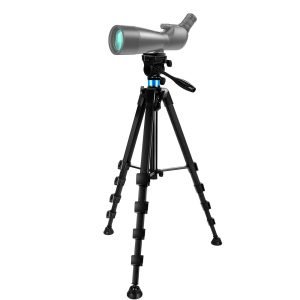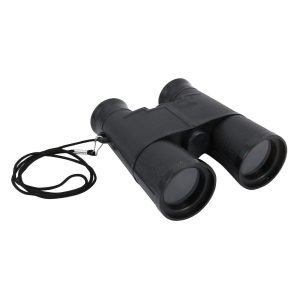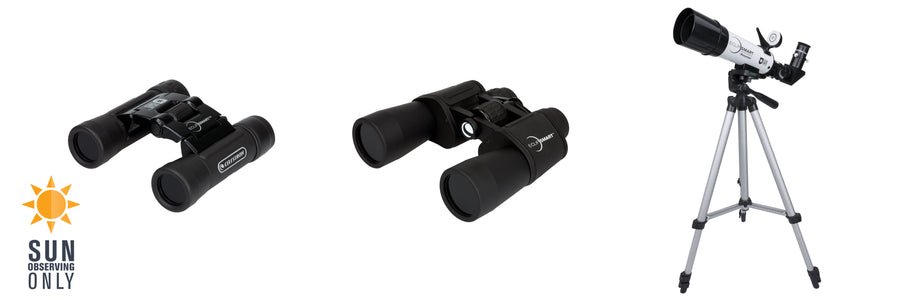
Are you struggling to get a clear, steady view when using your binoculars for long-distance spotting? You’re not alone.
Hand-holding binoculars can cause shaky images and missed details, especially when you’re trying to focus on faraway objects. But what if you could transform your viewing experience with just a simple addition? Using tripod compatible binoculars with a sturdy tripod can give you crystal-clear, stable views without the frustration.
You’ll discover easy steps to set up and use your binoculars with a tripod, so you never miss a moment—whether you’re birdwatching, stargazing, or enjoying a scenic landscape. Keep reading to unlock the secret to sharper, steadier long-distance viewing!
Choosing The Right Tripod Compatible Binoculars
Choosing binoculars that fit tripod mounts ensures steady, clear views over long distances. Secure them on a stable tripod to reduce shaking and improve focus. Adjust the angle smoothly to track distant objects with ease.
Key Features To Look For
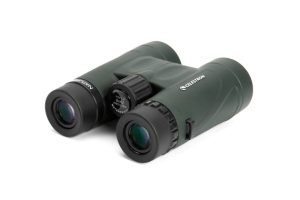
Binoculars should be easy to connectto a tripod. Check for a tripod adapter. This helps in steady viewingover long distances. Look for binoculars with good optical quality. Clear lenses are important. They provide a sharp image. Easy focus adjustment is crucial. It lets you see details clearly.
Magnification And Lens Size
High magnification is important for long-distance viewing. It helps see far away objects clearly. Lens size matters too. Large lenses collect more light. This makes images brighter. Choose binoculars with balanced magnificationand lens size. They offer a good viewing experience.
Weight And Portability
Lightweight binoculars are easier to carry. Heavy ones can tire your arms quickly. Portability is key for outdoor use. Choose binoculars that are easy to pack. They should fit well in your bag. Consider the material used. Strong materials last longer. They are also more reliable.

Credit: www.instagram.com
Selecting A Suitable Tripod
Choosing a tripoddepends on your binocular use and location. Different tripods offer various benefits.
| Type | Best For | Features |
|---|---|---|
| Tabletop Tripod | Indoor or stable surfaces | Compact, low height |
| Standard Tripod | Outdoor use, uneven ground | Adjustable height, foldable legs |
| Monopod | Lightweight, quick setup | One leg, less stable |
Ensure the tripod’s heightsuits your eye level for comfort. A stable tripod stops shaking and helps clear views.
Materials affect durability and weight. Aluminumtripods are light and rust-resistant. Carbon fibertripods are stronger but cost more. Choose based on how often and where you use the tripod.
Mounting Binoculars On A Tripod
Attach the adapter firmly to the binoculars’ tripod mount. Check the fit to avoid wobbling. Use the screws or clamps to secure the adapter tightly. This step ensures stability during long distance viewing.
Place the binoculars onto the tripod head with the adapter aligned. Tighten the locking mechanism to hold the binoculars firmly. Test the setup by gently shaking to confirm it does not move.
Adjust the tripod height and angle for a comfortable viewing position. Make sure your eyes line up well with the eyepieces. Use the tripod’s tilt and pan features to follow distant objects smoothly.

Credit: aziak.com
Optimizing Viewing Experience
Align the binoculars carefully on the tripod. Make sure they are steady and balanced. Adjust the focus slowly until the image is sharp and clear. Use the focus wheel to get the best view. Keep both eyes open for comfort.
Many binoculars have image stabilization. This helps reduce shaking and blurriness. Turn on this feature if your binoculars have it. It makes viewing smooth, especially at high zoom levels.
- Use a sturdy tripod to cut down vibrations.
- Tighten all screws and clamps firmly.
- Avoid touching the binoculars while viewing.
- Use a remote shutter or timer if taking photos.
- Place the tripod on a flat, stable surface.
Maintenance Tips For Longevity
Use a soft brush or air blower to remove dust from lenses. Avoid touching lenses with fingers to prevent smudges. Use a microfiber cloth and lens cleaner designed for optics. Clean lenses gently in circular motions. Protect binoculars from rain, snow, and dust. Use a rain cover or waterproof case if needed. Avoid leaving binoculars in direct sunlight for long periods. Store binoculars in a dry, cool place away from moisture. Use a padded case for transport to prevent damage. Keep the binoculars secure in your bag to avoid bumps. Check and tighten tripod connections regularly for safety.
Practical Applications And Tips
Binoculars on a tripod help keep the view steady and clear. This is very useful for wildlife observation. Animals can be far and move slowly. Using a tripod stops shaky hands from blurring the image. You can watch birds or animals quietly without disturbing them.
For astronomy and stargazing, a tripod is a must-have. It holds the binoculars still for a long time. This lets you see stars, planets, and the moon better. You can focus on details like craters and star clusters with ease.
Outdoor sports viewinggets better with tripod binoculars. Watching a game from far away becomes easy. No need to keep holding binoculars tight. The tripod keeps them steady so you don’t miss any action.

Credit: powrig.com
Frequently Asked Questions
How Do Tripod Compatible Binoculars Improve Long Distance Viewing?
Tripod compatible binoculars reduce hand shake and provide stable images. They allow for prolonged viewing without fatigue, enhancing clarity and comfort over long distances.
What Type Of Tripod Works Best With Binoculars?
A sturdy tripod with adjustable height and a smooth pan head works best. Ensure it has a compatible mounting adapter for your binoculars to achieve stable and flexible viewing.
How Do I Mount Binoculars On A Tripod Correctly?
Attach the binoculars’ tripod adapter securely to the tripod head. Tighten the screws to prevent movement and adjust the angle for comfortable long-distance viewing.
Can Tripod Use Improve Night Viewing With Binoculars?
Yes, using a tripod stabilizes binoculars, reducing blur from hand tremors. This helps in clearer, sharper images during low-light or night-time observations.
Conclusion
Using tripod compatible binoculars makes long distance viewing steady and clear. A tripod helps reduce shaking and keeps your view focused. Always attach the binoculars securely and adjust the height for comfort. Take your time to find the best angle and enjoy the details far away.
Practice often to improve your skills and make the most of your equipment. Clear and sharp views become easier with patience and the right setup. This simple tool can enhance your outdoor watching experience greatly.