Have you ever wondered how to see clearly in complete darkness? Using thermal scopes at night can change the way you experience the dark.
Whether you’re hunting, camping, or just exploring, thermal scopes reveal hidden heat signatures that your eyes can’t catch. You’ll discover simple tips and tricks to use your thermal scope effectively at night. By the end, you’ll feel confident spotting targets and navigating the dark like a pro.
Ready to unlock the power of thermal vision? Keep reading to learn how.

Credit: www.youtube.com
Basics Of Thermal Scopes
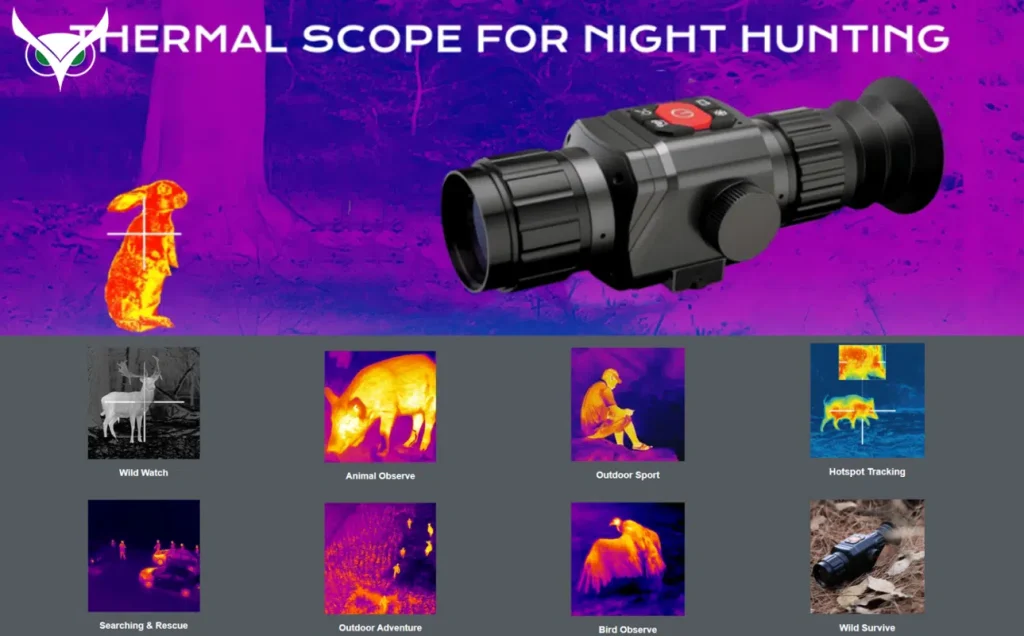
Thermal scopes detect heat, making objects visible in total darkness. Adjust settings for clear images and scan slowly to spot targets. Practice helps improve accuracy and confidence during night use.
How Thermal Scopes Work
Thermal scopes detect heat from objects, animals, or people. They turn heat into a clear image you can see. This helps you find things in the dark or through smoke. The scope uses special sensors called thermal detectors. These sensors capture the heat and show it on a screen inside the scope. Warmer objects look different from cooler backgrounds.
Types Of Thermal Scopes
- Handheld scopes: easy to carry and use by hand.
- Weapon-mounted scopes: attach to guns for better aiming.
- Clip-on scopes: add to existing riflescopes without changing sights.
- Monoculars: simple devices for viewing heat signatures.
Key Features To Know
| Feature | Description |
|---|---|
| Resolution | Clear image quality; higher is better. |
| Refresh Rate | How fast the image updates; faster means smoother view. |
| Detection Range | Distance the scope can spot heat signatures. |
| Battery Life | How long the scope works on one charge or set of batteries. |
| Display Type | Screen quality and size inside the scope. |

Credit: gtguardhunt.com
Setting Up For Night Use
Choosing the right thermal scope depends on your needs. Look for good resolutionand clear imagesat night. Battery life is important for long use. Some scopes offer multiple color palettesto help spot targets easier. Consider the rangeof the scope based on where you will use it.
Calibration is key for accurate viewing. Adjust the focusand brightnessbefore use. Some scopes have an automatic calibrationfeature. Manual calibration may require aiming at a known object. This ensures the image is sharp and clear.
Proper mounting and alignment make a big difference. Attach the scope firmly on your rifle or device. Align it so the crosshairs match your target’s center. Check the eye relieffor comfortable viewing. A loose or misaligned scope can cause poor accuracy.
Optimizing Vision In Low Light
Adjusting brightness and contrasthelps to see clear images at night. Too much brightness can wash out details. Too low brightness makes it hard to spot objects. Find a balance that shows shapes and heat well.
Color paletteschange how heat appears on the screen. Use white-hotor black-hotto see warm objects clearly. Rainbowor ironbowpalettes highlight different heat levels. Try different palettes to find what works best in each situation.
Ambient temperaturecan affect thermal scope views. Hot surroundings may lower contrast between objects and background. Cooler nights give better heat differences. Allow your scope to adjust to outdoor temperature before use.

Credit: www.youtube.com
Practical Techniques For Night Operation
Move slowly and quietly to avoid detection. Stay low and use natural cover. Position yourself where you can see clearly without being seen. Use the thermal scope’s zoom to scan large areas first. Then focus on smaller spots for details.
Look for heat shapes that stand out from the background. Animals and people show clear heat signatures. Check the size and shape to know what you see. Confirm with movement before acting. Patience helps avoid mistakes.
- Don’t shine bright lights near the scope.
- Avoid quick, jerky movements.
- Keep the scope steady for clear images.
- Don’t trust heat alone; use other senses.
- Practice often to improve skills.
Maintenance And Care
Cleaning the lenshelps keep the image clear. Use a soft cloth made for lenses. Avoid using rough materials that can scratch. Gently wipe the lens in a circular motion. Use lens cleaning solution if needed, but do not spray directly on the lens.
Battery managementis key for night use. Always check battery levels before use. Carry extra batteries to avoid surprises. Remove batteries if the scope will not be used for a long time. This prevents battery leaks and damage.
- Store the scope in a cool, dry place.
- Keep it in a padded case to protect from bumps.
- Avoid direct sunlight and extreme temperatures.
- Check the scope regularly for dust and moisture.
Frequently Asked Questions
What Are Thermal Scopes Used For At Night?
Thermal scopes detect heat signatures, making them ideal for night use. They help in spotting wildlife, tracking targets, or navigating in darkness. These scopes offer enhanced vision by highlighting temperature differences, providing a clear view even in pitch-black conditions.
How Do Thermal Scopes Work In Darkness?
Thermal scopes work by detecting infrared radiation, which is emitted by warm objects. They convert this radiation into visible images. This technology allows users to see heat signatures, regardless of lighting conditions, offering effective visibility in complete darkness.
Are Thermal Scopes Effective In All Weather?
Thermal scopes are effective in most weather conditions, including fog and rain. They detect heat, which is not hindered by poor lighting or weather. However, extreme conditions like heavy rain might reduce accuracy, but overall, thermal scopes remain reliable.
Can Thermal Scopes Identify Specific Animals?
Thermal scopes can detect animals by their heat signatures, but identifying specific species can be challenging. Their effectiveness depends on the animal’s size and emitted heat. While they offer enhanced visibility, recognizing specific animals requires experience and familiarity with heat patterns.
Conclusion
Using thermal scopes at night can greatly improve your visibility. Practice regularly to get comfortable with the device. Adjust settings based on your environment for best results. Remember to stay safe and respect local laws. With patience, you will spot targets clearly in the dark.
Keep your equipment clean and well-maintained for reliable use. Nighttime hunting or observation becomes easier with the right skills. Thermal scopes offer a valuable advantage in low-light conditions. Keep learning and stay aware of your surroundings always.