Are you ready to take your birdwatching experience to the next level? Using rangefinder attachments can change the way you observe birds, making every sighting clearer and more exciting.
Imagine knowing the exact distance to a bird without guessing, helping you get closer without disturbing it. You’ll discover simple steps to use rangefinder attachments effectively, making your birdwatching trips more rewarding. Keep reading to unlock the full potential of your gear and enjoy every moment outdoors like never before.
Choosing The Right Rangefinder
Choosing the right rangefinderis key for better birdwatching. Focus on accuracyand range. Devices with a range of at least 500 yards work well. Lightweight models help you move quietly. Look for clear optics and a simple display. Water resistance is useful in wet conditions. Some rangefinders offer angle measurements, good for hilly areas. Easy-to-use buttons matter, especially with gloves on.
| Rangefinder Type | Best Use | Pros | Cons |
|---|---|---|---|
| Laser Rangefinder | Precise distance | High accuracy, quick results | Can be expensive, needs line of sight |
| GPS Rangefinder | Location-based distance | Works in all conditions | Less accurate for exact range |
| Hybrid Rangefinder | Combines laser and GPS | Versatile and accurate | Usually heavier and pricier |
- Set a budget before shopping.
- Basic models are affordable and good for beginners.
- Mid-range models offer better features and durability.
- High-end rangefinders provide top accuracy and extra functions.
- Consider battery life to avoid interruptions.
Setting Up Your Rangefinder
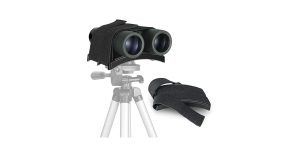
Choose a stable spot on your binoculars or tripod to mount the rangefinder. Use clamps or straps to keep it steady. Make sure it does not block your view. The rangefinder should sit close to your eye for easy reading.
| Mounting Option | Use | Advantages |
|---|---|---|
| Binocular Clip | Attaches directly to binoculars | Lightweight, easy to carry |
| Tripod Mount | Mounts on a tripod for stability | Very steady, good for long watching |
| Handheld | Held separately in hand | Flexible, quick to use |
Check the rangefinder’s accuracy by measuring a known distance. Adjust settings until the reading matches. Calibrate regularly for best results. Small errors can confuse bird distances.
- Set the mode for birdwatching, usually “distance” or “scan.”
- Adjust brightness to see numbers clearly in sunlight.
- Choose meters or feet, based on your preference.
- Use quick scan mode to track moving birds.
Techniques For Using Rangefinders
Rangefinder attachments help measure the distance to birds clearly and quickly. Aim the device at the bird, then read the distance shown to plan your approach. This tool improves spotting accuracy and keeps you at a safe, respectful distance.
Estimating Distance To Birds
Hold the rangefinder steady and aim carefully at the bird. The device sends out a laser beam to measure distance. This helps to know how far the bird is without moving closer. Knowing the distance helps in planning your next move quietly. It also protects birds from disturbance.
Combining Rangefinder With Binoculars
Use the rangefinder to find the distance first. Then, look through binoculars for a clearer view. Some binoculars come with built-in rangefinders. This makes it easier to switch between both tools. It improves accuracy and helps spot birds quickly.
Handling Movement And Stability
- Keep your hands steady to avoid blurry readings.
- Use a tripod or rest your elbows on a solid surface.
- Take slow, calm breaths before measuring distance.
- Move gently to avoid scaring birds away.
Credit: www.countryblossomfarm.com
Improving Bird Identification
Using distance datafrom rangefinders helps see bird details clearly. It shows how far a bird is, making it easier to focus binoculars or cameras precisely. This helps identify small features like colors and shapes.
Tracking birds in flight becomes easier with rangefinder attachments. They help estimate how fast and far birds are flying. This allows watchers to predict bird movements and follow them smoothly.
- Rangefinders help record exact distancesfor each sighting.
- Log distances and bird types to track habits and locations.
- Use data to compare sightings over time for better study.
Common Challenges And Solutions
Obstructions like trees and bushes can block the view. Moving slightly or changing your position helps get a clear line of sight. Use the rangefinder’s angle mode to measure distances on uneven ground. This helps avoid errors caused by hills or slopes.
Low light makes it hard to see birds clearly. Use rangefinders with good light sensors for better performance at dawn or dusk. A tripod or stable surface reduces shaking and keeps images sharp in dim light.
Keep the rangefinder clean and dry for best results. Dust and moisture can blur readings. Store it in a protective case when not in use. Regularly check batteries and replace them to avoid power loss during birdwatching.
Credit: www.amazon.com
Advanced Tips And Tricks
Rangefinders work well with mobile apps designed for birdwatching. Many apps allow you to save distances and locations. This helps track birds and plan future trips. Some apps show maps and bird types nearby. Using Bluetooth or Wi-Fi, you can connect the rangefinder to your phone. This makes data sharing easy and quick.
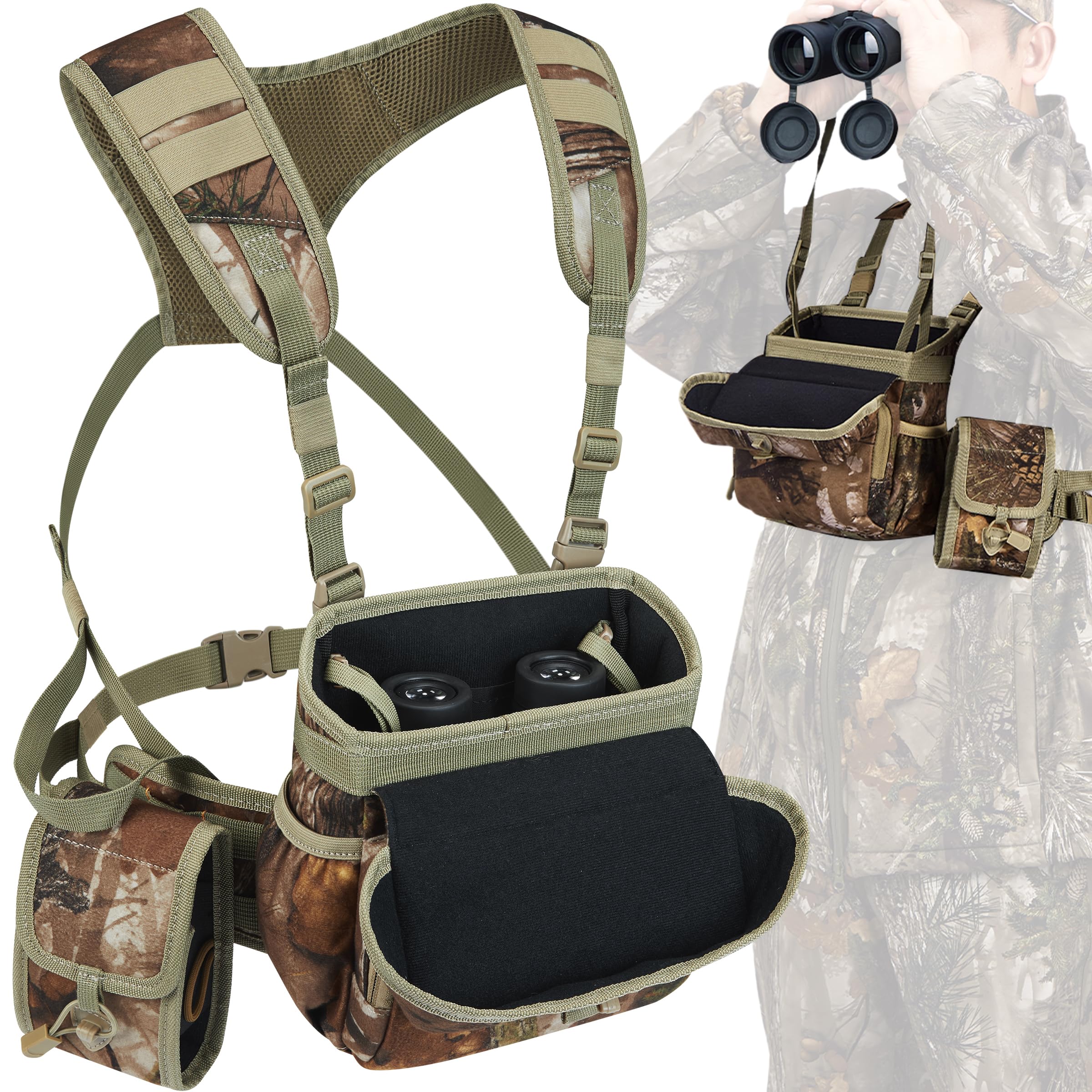
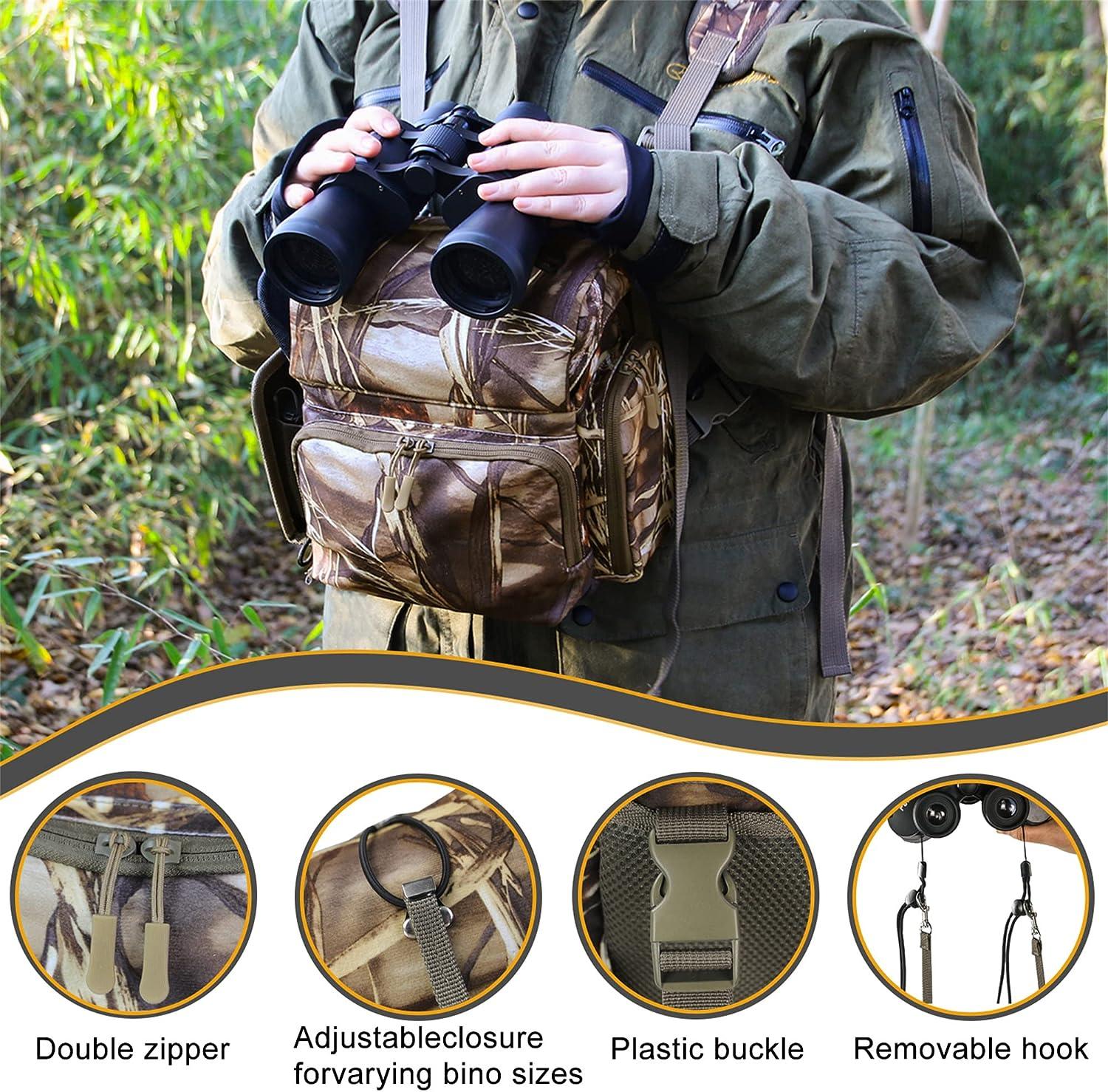
Customizing attachments improves comfort and precision. Choose mounts that fit your binoculars or scope tightly. Adjust straps and clamps for stability during long watches. Use lens caps and covers to protect lenses from dirt and scratches. Adding a sunshade can reduce glare in bright light. Small tweaks make a big difference in your experience.
- Keep your eyes relaxed to spot birds faster.
- Practice steady hand movements to avoid blurry readings.
- Check batteries before each trip to avoid surprises.
- Learn bird calls to find species more easily.
- Take notes of locations and bird types regularly.
Credit: www.gosupps.com
Frequently Asked Questions
What Is A Rangefinder Attachment For Birdwatching?
A rangefinder attachment helps measure the distance to birds precisely. It improves spotting accuracy and enhances bird identification from afar. This tool is essential for serious birdwatchers aiming to observe without disturbing wildlife.
How Do Rangefinder Attachments Improve Birdwatching?
Rangefinder attachments provide accurate distance measurements quickly. They allow birdwatchers to adjust focus and plan movements carefully. This leads to better observation and less disturbance to birds in their natural habitat.
Can I Use Any Rangefinder For Birdwatching?
Not all rangefinders suit birdwatching. Choose models with lightweight, compact design and clear optics. Features like fast focus and good range accuracy enhance your birdwatching experience significantly.
How To Attach A Rangefinder To Binoculars Properly?
Use a secure mounting bracket or strap designed for your binoculars. Ensure the rangefinder aligns well with your viewing angle. Proper attachment prevents movement and maintains clear, stable readings during observation.
Conclusion
Rangefinder attachments enhance birdwatching experiences. They offer precision in spotting birds. With practice, using them becomes second nature. Birdwatchers can now enjoy clearer views. These tools help in identifying distant species. Affordable and easy to use, rangefinders are great for all levels.
Beginners and experts find them beneficial. Investing in a good rangefinder pays off. Explore different models to find your match. Happy birdwatching with your new gadget! Dive into nature and enjoy each moment. Keep your eyes sharp and your rangefinder ready.
Birdwatching has never been more exciting!