When lives are on the line, every second counts. You need the right tools and skills to find someone lost or in danger, especially when darkness falls.
Night vision binoculars can be your eyes in the dark, giving you a clear advantage during search and rescue missions. But how do you use them effectively to cover more ground and spot what others can’t? This guide will walk you through simple, practical steps to master night vision binoculars and boost your chances of a successful rescue.
Keep reading, and make sure you’re ready when it matters most.

Credit: www.popsci.com
Choosing The Right Binoculars
Choosing the right binoculars improves visibility during night search and rescue missions. Night vision binoculars help spot people and objects in low light. Clear images and easy handling make rescue efforts faster and safer.
Types Of Night Vision Technology
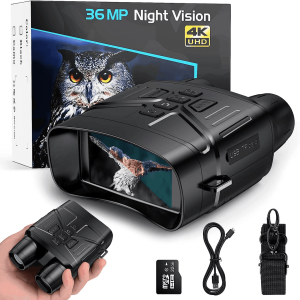
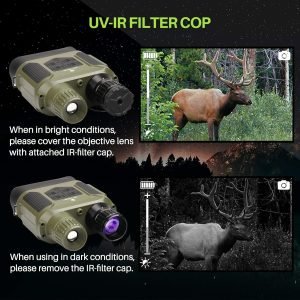
Night vision binoculars use different technologies. Image Intensifier Tubes make dark places brighter. Thermal Imaging shows heat from people or animals. Digital Night Vision uses special cameras and screens. Each type has different benefits. Choose the one that fits your needs.
Key Features For Search And Rescue
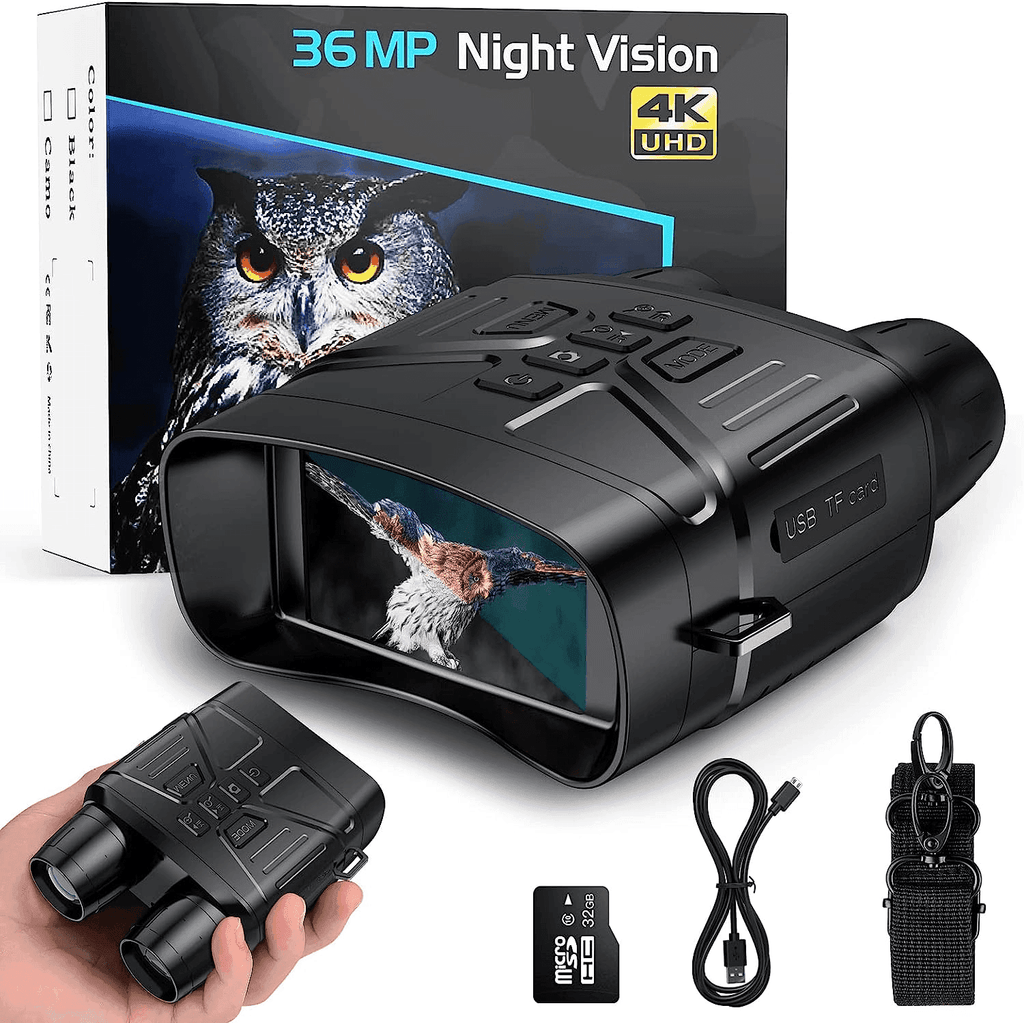
Good night vision binoculars have special features. Long Range lets you see far away. Wide Field of View helps spot things quickly. High Resolution shows clear images. Infrared Illumination helps see in total darkness. Pick binoculars with these features for rescue missions.
Durability And Weather Resistance
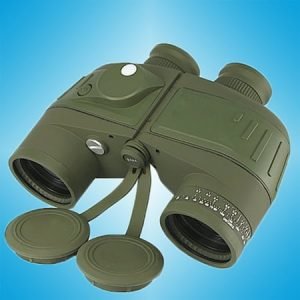
Binoculars must be strong and tough. Weatherproof binoculars work in rain and snow. Shockproof ones survive drops and bumps. Fogproof binoculars stay clear in humid weather. Check these features for best performance.

Credit: www.amazon.com
Preparing For Night Missions
Check the night vision binoculars for any damage or dirt. Clean the lenses gently with a soft cloth. Make sure all buttons and dials work properly. Test the focus and image clarity before heading out. A clear view is vital for search and rescue tasks.
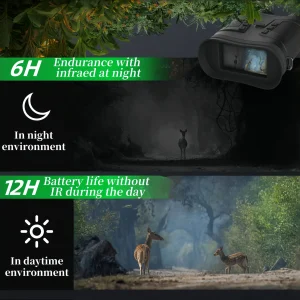
Carry extra batteries to avoid power loss during missions. Use fresh batteries and insert them correctly. Store spare batteries in a safe, dry place. Keep track of battery life to prevent unexpected shutdowns.
- Wear protective gear like gloves and helmets.
- Be aware of your surroundings to avoid accidents.
- Use a red light for low visibility to protect night vision.
- Keep communication devices ready for emergencies.
Techniques For Effective Scanning
Adjusting focus and gainhelps see objects clearly at night. Turn the focus ring slowly to sharpen images. Use the gain control to adjust brightness. Too much gain makes the image grainy. Too little gain makes it hard to see details.
Follow optimal scanning patternsto cover large areas. Move binoculars in a steady, side-to-side motion. Use a zigzag or grid pattern for thorough search. Avoid fast or jerky movements that cause blurry images.
Identifying signs in low lightneeds attention to shapes and movement. Look for unusual shapes, bright spots, or small movements. Use sound and other senses to help locate targets. Stay patient and scan slowly for best results.
Credit: nightfoxstore.com
Navigating Challenging Environments
Dense terrain makes using night vision binoculars tricky. Thick trees and bushes can block views. Move slowly and scan wide areas to spot signs of life or movement. Keep binoculars steady for a clear image. Use low light settings to avoid startling people or animals.
Water and fog can blur vision. Use binoculars with waterproof and fog-resistant features. Wipe lenses gently if they get wet. Focus carefully to see through mist. Adjust brightness to reduce glare from wet surfaces.
- Wear a hat or visor to reduce glare from lights.
- Change your position to avoid reflections on lenses.
- Use lens covers when binoculars are not in use.
- Keep lenses clean and free of smudges for clear sight.
Communication And Coordination
Sharing clear and quick visual info is key during search efforts. Use night vision binocularsto spot targets and relay exact locations. Pair binoculars with radios or smartphones for instant updates. This helps teams stay synced and avoid confusion.
Integrate binoculars with other gear like GPS, flashlights, and maps. This creates a full picture of the search area. Combining tools boosts accuracy and speed. It also helps track progress and mark safe paths.
- Divide the search areaamong team members to cover more ground.
- Assign rolessuch as spotter, communicator, and navigator.
- Keep constant contactto share findings and adjust plans.
- Use signals or codesto communicate silently if needed.
Maintenance And Care
Use a soft, lint-free cloth to gently clean the lenses. Avoid using rough materials or paper towels. Use lens cleaning solution or a mix of water and isopropyl alcohol for stubborn dirt. Do not spray liquid directly onto lenses. Clean other parts with a dry cloth. Keep lenses covered when not in use to prevent dust and scratches.
Store binoculars in a cool, dry place. Use a protective case to avoid damage. Avoid leaving them in direct sunlight or hot places. Keep away from moisture to prevent mold growth. Remove batteries if storing for a long time to avoid leaks.
| Issue | Cause | Solution |
|---|---|---|
| Blurry image | Dirty lenses | Clean lenses gently |
| Image not visible | Dead batteries | Replace batteries |
| Power won’t turn on | Loose connections | Check and tighten connections |
| Screen flickering | Low battery or damage | Replace batteries or service device |
Frequently Asked Questions
What Are The Key Features Of Night Vision Binoculars?
Night vision binoculars amplify available light to provide clear images in darkness. Key features include infrared illumination, high resolution, and durable design. These features help rescuers see better in low-light conditions during search and rescue operations.
How Do Night Vision Binoculars Improve Search And Rescue?
They enhance visibility in darkness, allowing rescuers to locate people or objects quickly. Night vision binoculars reduce the risk of injury and improve operational efficiency in challenging environments.
Can Night Vision Binoculars Work In Total Darkness?
Yes, with built-in infrared illuminators, night vision binoculars can operate in total darkness. Infrared light is invisible to the human eye but allows the device to capture clear images.
What Maintenance Is Needed For Night Vision Binoculars?
Regular cleaning of lenses and careful battery management are essential. Store them in a dry, cool place to prevent damage and ensure optimal performance during missions.
Conclusion
Night vision binoculars help rescuers see clearly in dark conditions. They improve safety and speed during search missions. Using them correctly takes practice and care. Always check the equipment before heading out. Keep batteries charged and lenses clean. These tools can save lives when used well.
Remember, clear vision means better rescue chances. Stay prepared and confident in the field.